
Siemens Energy Lands Seven-Turbine Malaysia Deal as AI Jitters and a Shrinking Anchor Stake Weigh on the Stock
Published on 09/15/2026 at 19:10 | Editorial boerse-global.de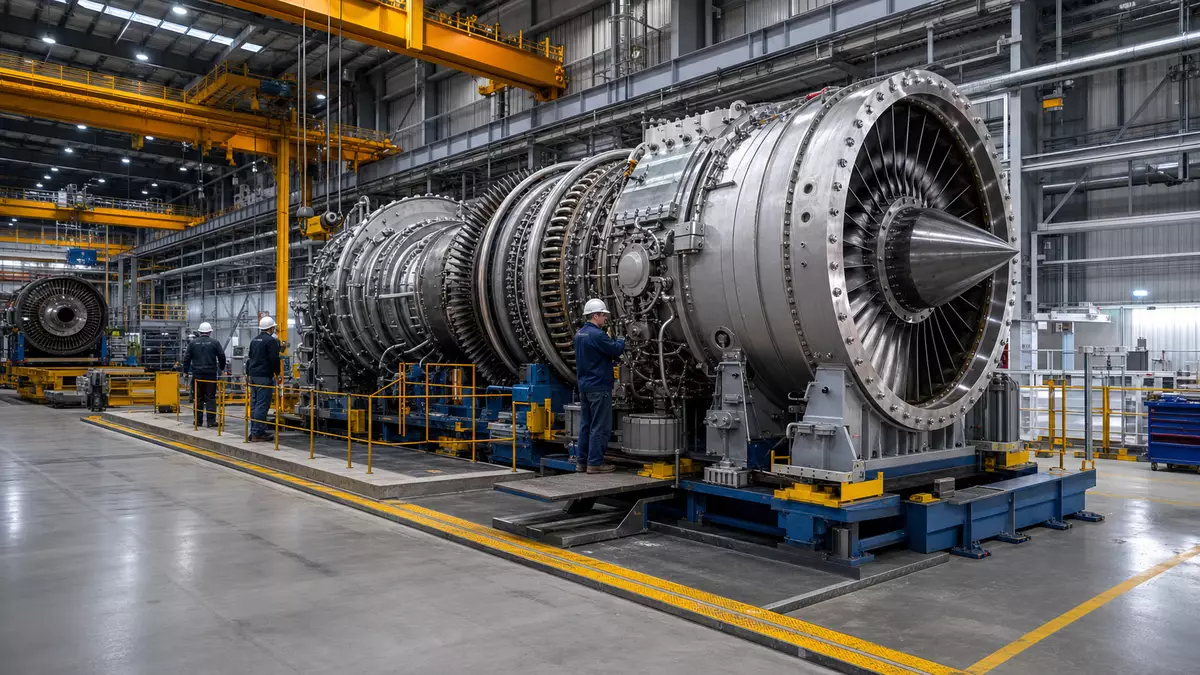
Siemens Energy picked up a fresh order win in Southeast Asia this week, even as its shares remained under heavy pressure in Frankfurt. YTL Power International and Ganda Power signed a reservation agreement with the German turbine maker for four additional SGT-9000HL gas turbines, a deal inked in Bangkok and overseen on Siemens Energy's side by Karim Amin. Combined with three units already secured, the partners now hold seven turbines with a total capacity exceeding 5,250 megawatts for power plant projects in Malaysia and the wider region.
YTL Power executive Yeoh Seok Hong framed the agreement in sweeping terms, calling energy the "foundation of the AI economy" and pointing to a partnership with Siemens Energy that spans more than three decades.
The timing is notable. While the order book keeps filling, the equity has been sliding. Siemens Energy shares changed hands at EUR 133.00 on Tuesday, roughly 10% below where they stood a week earlier, with a relative strength index of 33.7 — a reading that signals oversold conditions and suggests the recent wave of selling has already run technically far.
A Sector-Wide Shock, Not a Company Problem
The sharper move came a day earlier, when the stock closed down 6.9% at EUR 134.00 in one of its weakest sessions of the year. The trigger was less about Siemens Energy itself than a chain of pressures hitting energy infrastructure names broadly. A downgrade of U.S. rival GE Vernova rattled the whole sector, and media reports pointed to mounting skepticism over the AI-driven buildout of data center and power infrastructure — the very growth theme investors had treated as the sector's main earnings engine. Siemens Energy was named as an affected party in that environment, not as the source of the downgrade.
Wind added a second headwind. A survey of works councils flagged softer order expectations for the wind industry, which media coverage folded into the list of burdens weighing on the company. After the slide, the stock sits about 31% below its 52-week high of EUR 195.38, reached in April.
Should investors sell immediately? Or is it worth buying Siemens Energy?
Analysts Trim Targets but Keep the Faith
Cautious revisions had already been stacking up before Tuesday's drop. Kepler Cheuvreux cut its price target to EUR 175 from EUR 200 on September 10, while keeping a buy rating. Jefferies had moved earlier in the month, lowering its target to EUR 210 from EUR 215 and sticking with its "Buy" call. Both houses, in other words, still back the long-term story despite the adjustments.
That conviction rests on hard numbers. In the third quarter of fiscal 2026, Siemens Energy posted record figures for revenue, margin and order intake, and even the wind unit Siemens Gamesa delivered a positive quarterly result. The current selloff stands in stark contrast to that operating base.
Chart technicians have taken note of the damage. The RSI of 34.4 points to oversold territory, and the shares trade 11% below their 50-day moving average of EUR 150.33. Zoom out, though, and the picture shifts: a gain of 41% over the past twelve months and 11% since the start of the year suggest the recent weakness has not fundamentally broken the longer uptrend. Volatility has climbed to 38% on a 30-day basis, underscoring just how choppy the near term has become.
Siemens AG's Retreat From Its Former Subsidiary
Adding a structural wrinkle for shareholders, Siemens AG has continued its gradual exit from the company it spun off in 2020. Once the largest shareholder with 35.1%, the former parent cut its voting stake below the 5% threshold for the first time in early September. The largest single shareholder is now the legally independent Siemens Pension-Trust e.V., a shift that further underscores Siemens Energy's standing as a standalone entity on the capital markets.
That separation matters for how investors read the news flow. Agreements involving Siemens AG — such as its recently signed memorandum of intent with Khazna Data Centres on AI data center technology — concern the parent, not Siemens Energy. The two companies have operated independently since the split, even if the shared name still sows confusion.
What remains is a clear disconnect. Order announcements like the Malaysian turbine reservation point to structural demand for power generation equipment, fueled by the world's appetite for electricity to run data centers and AI workloads. On the trading floor, meanwhile, macroeconomic fears about a possible AI investment bubble are calling the shots. Whether the oversold setup stabilizes in the sessions ahead may hinge on how the market digests the next round of orders from the power plant business.
Ad
Siemens Energy Stock: New Analysis - 15 September
Fresh Siemens Energy information released. What's the impact for investors? Our latest independent report examines recent figures and market trends.


