Siemens Energy: Completed Buybacks, a Dated Outperform Call, and Why the Sell-Off Was Never About the Company
Published on 10/19/2026 at 12:51 | Editorial boerse-global.de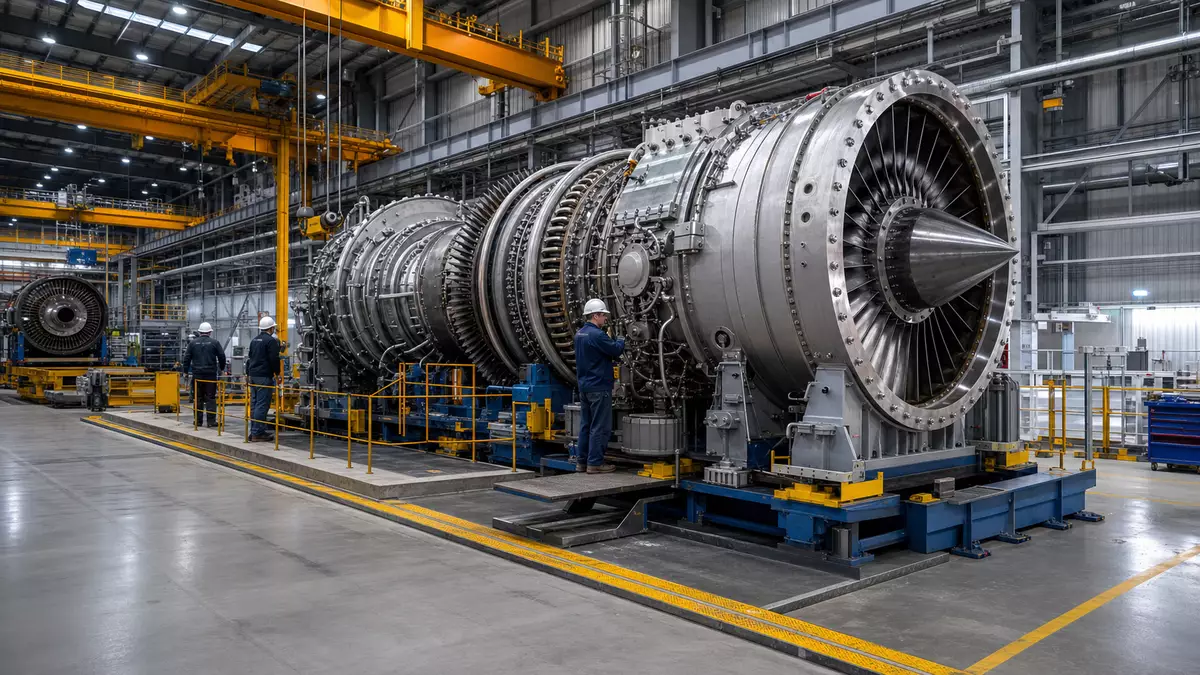
Siemens Energy bought back 936,589 of its own shares during the week of October 5 to 11, the company disclosed — a concrete capital-markets action that sits in stark contrast to the financing anxieties currently swirling around the stock. Since the third tranche of the program began on September 24, cumulative purchases have reached 2,122,004 shares.
Those two figures describe the same ongoing process from different vantage points. They are not separate programs, and they should not be added together as though they represented distinct volumes. The interim report documents purchases already executed, not a stated intention to buy.
A Voting-Rights Notice That Says Something Else Entirely
One day after that buyback update, on October 13, Siemens Energy published a new total of 850,000,000 voting rights, effective the same date. No multiple voting rights were reported.
This mandatory disclosure defines the voting-rights base. It is a separate matter from the interim report on shares actually acquired, and the two releases together say nothing additional about the future scale or pace of the buyback. What matters for interpretation is the subject of each filing.
Should investors sell immediately? Or is it worth buying Siemens Energy?
What Actually Pressured the Stock
The selling pressure described in media coverage did not stem from any fresh company-specific announcement. According to those reports, surprisingly high US inflation data drove interest-rate concerns, and the sell-off in AI names added to the weight. The slump at AI cloud provider CoreWeave was also cited as a drag.
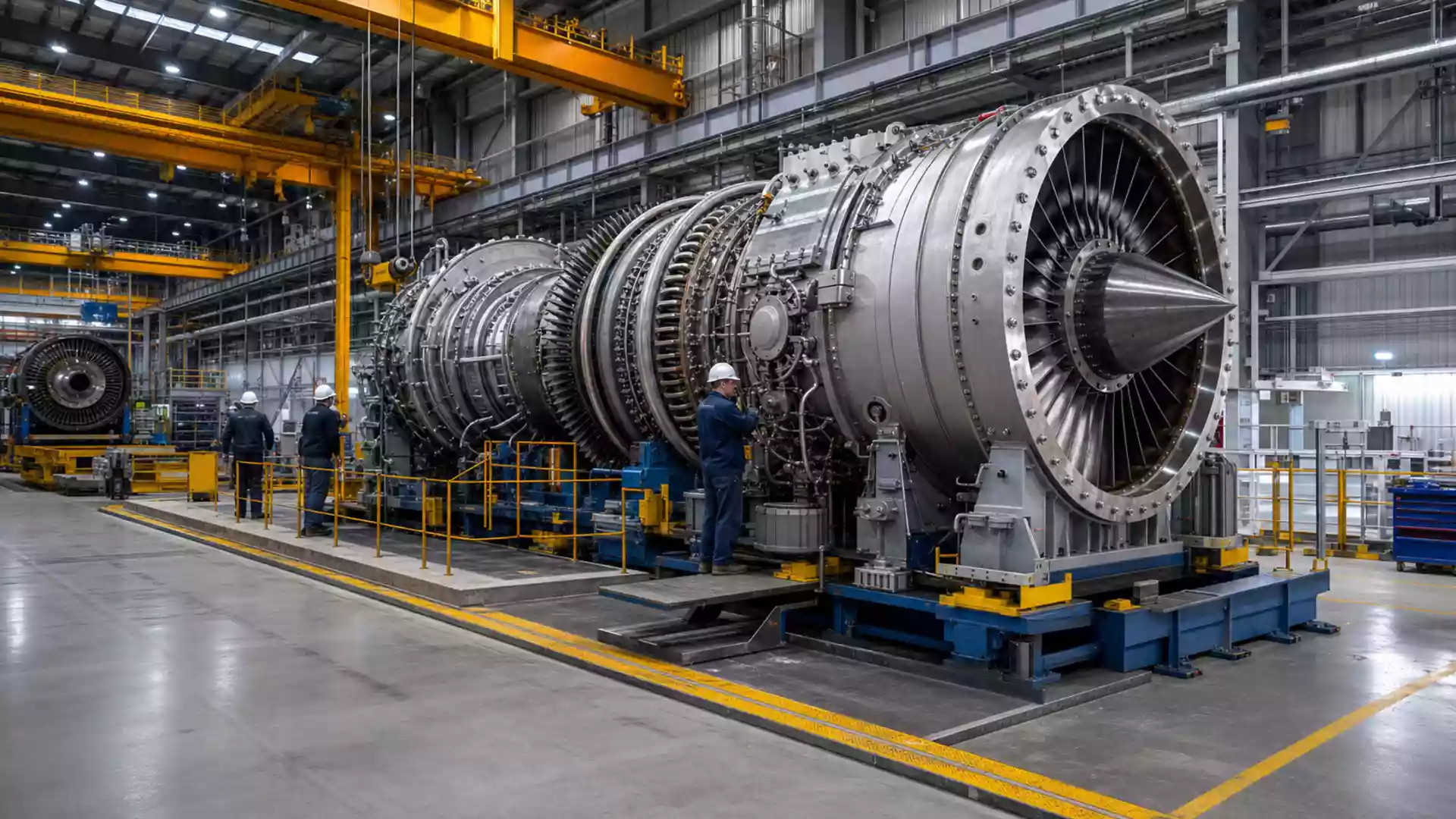
The worry runs like this: costlier financing could slow the buildout of AI data centers. That matters to Siemens Energy because data centers are a significant demand channel — the company supplies gas turbines and grid technology. If investment projects of that kind come under funding strain, demand expectations for Siemens Energy could suffer too. Such a concern, however, is not the same as a reported collapse in orders.
The stock closed Friday at €132.42. That close sits within the environment of financing worries described above, but on its own it offers no evidence of an operating deterioration.
An Analyst Call From Before the Storm
RBC Capital Markets reaffirmed its "Outperform" rating and €200 price target on October 9. Analyst Mark Fielding expected operating profit, measured by Ebita, to come in above the consensus estimate.
That view stands as a counterweight to the unease about data-center expansion — but it is an analyst expectation, not a published business result. It also predates the market turbulence described on Thursday, so it cannot be read as a retrospective verdict on the recent financing fears.
Siemens Energy at a turning point? This analysis reveals what investors need to know now.
The buyback provides further context: roughly a week before the RBC note, Siemens Energy reported the acquisition of 936,589 own shares within the disclosed weekly window. That documents purchases by the company; it does not answer whether higher financing costs will hold back customers' future investments.
The Date That Separates Risk From Result
The next scheduled company milestone is the extended Q4 FY2026 conference on November 11, 2026, when business figures are due to be released. Until then, the central distinction holds: the market is debating a demand risk, while a new operating deterioration was not the reported trigger of the price pressure. The buyback filings offer hard data on executed capital-markets measures — they do not resolve the questions investors have raised about rates and the willingness to invest.
Ad
Siemens Energy Stock: New Analysis - 19 October
Fresh Siemens Energy information released. What's the impact for investors? Our latest independent report examines recent figures and market trends.