
Siemens Energy Balances Nuclear Expansion With Grid Software Push as Shares Hold 20% Year-to-Date Gain
Published on 09/22/2026 at 15:21 | Editorial boerse-global.de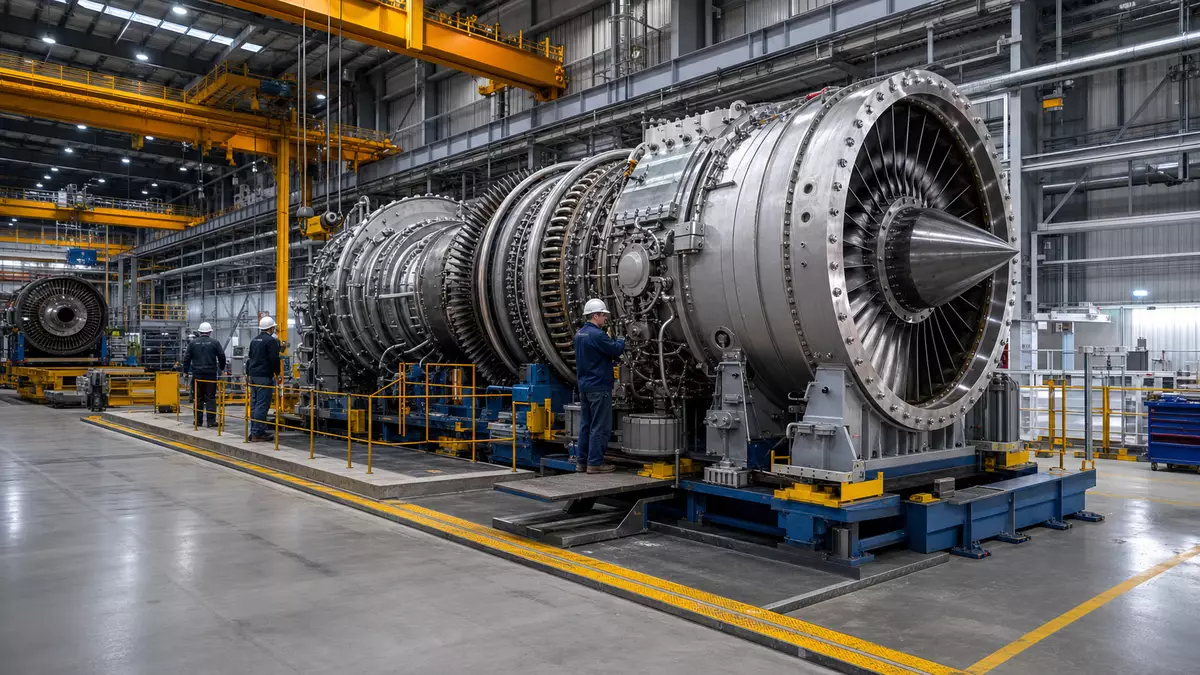
Siemens Energy is pressing ahead on two fronts that could define its next phase of growth: nuclear turbine manufacturing and software-driven grid modernization. The Munich-based equipment maker confirmed on 7 September that it will build turbines in the United Kingdom for Rolls-Royce SMR — the first production of its kind in Europe. The announcement extends the company's industrial manufacturing reach into small modular reactor technology, a segment expected to gain weight in future power supply.
The stock responded modestly. Shares added 1.9% on the following Monday, closing at EUR 143.34. Since the start of the year, the equity has climbed roughly 19%, a gain that reflects both a solid operational backdrop and fresh strategic momentum.
That operational backdrop was on full display in the third quarter of fiscal 2026. Reporting on 5 August, Siemens Energy posted record figures for order intake, revenue and operating margin. Reuters noted a pronounced positive price reaction to the interim report, underscoring persistent demand for grid equipment and energy-transition hardware. Analyst support has followed, with one research house voicing a constructive view after direct discussions with chief executive Christian Bruch.
A Canadian Nuclear Contract With a Long Tail
On the other side of the Atlantic, the company's nuclear exposure is deepening through a rehabilitation project at the Pickering plant in Ontario. A consortium led by construction group Aecon, with Siemens Energy as partner, has secured a CAD 1.3 billion contract to replace turbine generators. Aecon holds the majority stake in the venture.
The scope covers 14 steam turbine rotors, the overhaul of four generators, and modern control and monitoring systems. The four reactor units are scheduled to be taken offline in stages through the end of September 2026, while the refurbishment work itself is planned to run for nearly a decade. Extending the reactors' operating life by as much as 38 years would underpin long-term demand for service and spare-part deliveries.
Should investors sell immediately? Or is it worth buying Siemens Energy?
Software as the Margin Engine
Siemens Energy is simultaneously moving to raise the software content of its grid business. The company has agreed to acquire the Euto Energy group, a grid developer specializing in software-defined platforms. The deal — advised on legal, tax and financial matters by Rödl & Partner — is intended to accelerate the digitalization of substations and the automation of power networks, enabling modern grid architectures on a global scale.
The strategic logic is straightforward: software-defined grid architectures typically command higher returns than pure hardware sales. If standardized platforms gain traction with network operators, licensing and maintenance revenue could meaningfully lift the profitability of the grid division. That prospect matters as the company works through a bulging order book in both the grid and power plant segments.
Execution Risk Is the Swing Factor
The central question for coming quarters is whether Siemens Energy can convert strong demand into adequate margins. Modernizing global electricity networks and extending plant lifetimes fill the backlog but also impose complex logistical demands. Large projects such as Pickering require rigorous risk management.
Regulatory timing is a particular concern. The reactor work at Pickering is explicitly contingent on approval from Canada's nuclear regulator, the CNSC, which is not expected before January 2027. The same month is targeted for the start of full project execution. Any slippage in that schedule could stall downstream work on steam turbine rotors and generators.
Integration risk cuts the other way as well. Folding acquisitions like Euto Energy into the existing portfolio carries the potential for operational friction; failure to embed the new software smoothly could mean sunk development costs. And the competitive landscape remains demanding. At industry gatherings such as the WindEnergy trade fair in Hamburg, grid topics share the stage with the challenges facing the wind sector. Subsidiary Gamesa must still demonstrate that its restructuring holds and that no fresh burdens emerge.
What to Watch
So long as Siemens Energy maintains operational discipline on major contracts and moves quickly on software integration, the strategic outlook stays intact. Should the Canadian timeline slip or cost overruns weigh on the structure, market confidence could fade noticeably. Until the January 2027 CNSC decision and the parallel start of full execution, investors will be tracking interim progress on grid integration and the durability of margins — the two variables most likely to determine whether the year-to-date advance holds.
Ad
Siemens Energy Stock: New Analysis - 22 September
Fresh Siemens Energy information released. What's the impact for investors? Our latest independent report examines recent figures and market trends.


