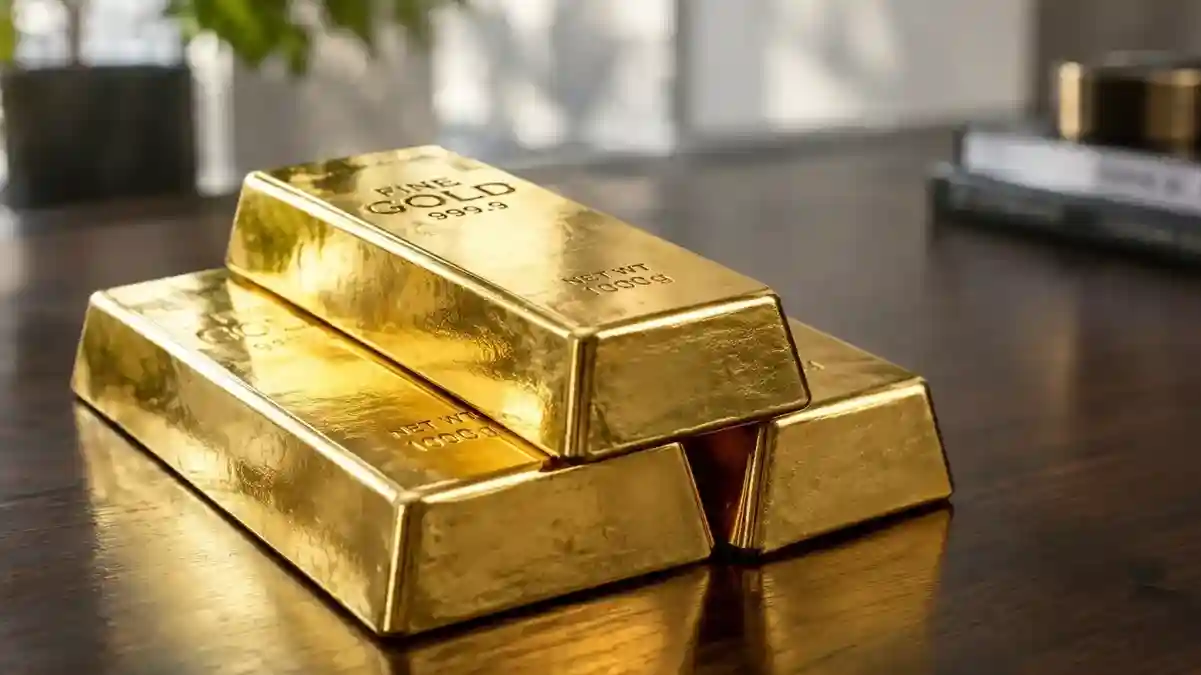
Seoul's ETF Top-Up and a Fed Calendar: Two Clocks Running Against Gold
Published on 11/16/2026 at 05:20 | Editorial boerse-global.de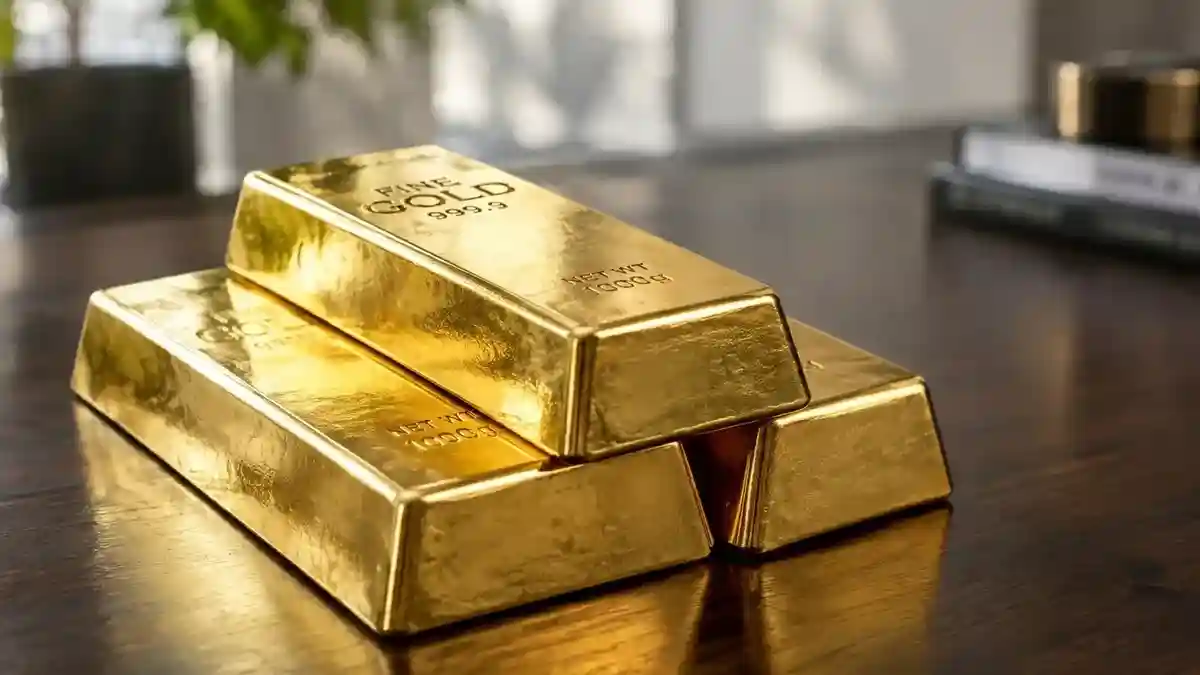
Gold traders have two appointments circled this week, and neither is a price target. The first is a policy signal out of Washington; the second is a filing already on the record from Seoul. Together they frame a market where institutional buying is real but has yet to offset the drag from high rates and a firm dollar.
The metal finished Friday at USD 3,876.13 an ounce, down 4.6% over seven sessions — a slide Reuters tied to rising oil prices, inflation anxiety and expectations that US borrowing costs stay elevated for longer. For a non-yielding asset, that mix is poison: higher yields lift the opportunity cost of holding bullion, and a stronger greenback adds a second layer of pressure.
What the Fed calendar holds
Attention now turns to Fed Chair Kevin Warsh and to minutes of the central bank's policy meeting, scheduled for release on 18 November 2026 at 14:00 US Eastern time. Investors will read them for how officials weigh inflation risks and the path of rates. The document is a window on thinking, not a rate decision in itself.
Some relief arrived Friday on the inflation front. US producer prices rose 0.3% month on month, with the annual rate at 6.5% — the hottest since November 2022. Reuters reported the monthly gain came in softer than forecast, trimming bets on an outsized tightening move. That is not an all-clear for gold, though: expectations of a restrictive Fed remain firmly in place.
Should investors sell immediately? Or is it worth buying Gold?
Seoul's bigger slice of SPDR
Against that macro backdrop, South Korea's central bank has been adding exposure. A SEC filing shows its stake in the SPDR Gold Trust grew 40.8% in the third quarter of 2026. The position's market value climbed from USD 250.41 million to USD 364.41 million, a 45.5% increase — a figure that reflects both the additional units and a higher quarter-end valuation of the fund.
That distinction matters. A rising position value alone does not prove fresh buying; here, the larger unit count confirms the bank genuinely scaled up rather than simply marking its book higher. The subsequent price weakness has nonetheless put the enlarged holding under water, a reminder that more gold in a portfolio also means more exposure to its swings.
Longer term, the Bank of Korea has signalled a broader commitment to bullion. It has published neither a target allocation nor a firm timetable, but preparations for purchases of domestically sourced physical gold are due to wrap up after mid-December. That is not confirmation of a transaction to follow. Its last physical purchase came in 2013 and totalled 20 tonnes, so the ETF build-out and any future bullion buying are separate matters — completed groundwork implies neither a fixed volume nor a guaranteed execution date.
Demand that cushions but does not floor
Seoul is not buying into a vacuum. Central banks took in a net 321 tonnes in the third quarter of 2026, while physically backed gold ETFs drew inflows of 211 tonnes over the same period. Supply offered little counterweight: mine output hit a quarterly record, but recycling fell, leaving total supply slightly below year-earlier levels.
Gold at a turning point? This analysis reveals what investors need to know now.
Those flows did not prevent the recent retreat, and they are no proof of a price floor. A firmer dollar and higher Treasury yields can overwhelm the effect of institutional purchases on the metal. What the Korean top-up documents is willingness to buy — not a well-timed entry. By the same token, a mark-to-market decline is not a realised loss; entry cost and any eventual sale are what count.
For now the short-term verdict rests with Washington. Central bank bids and ETF inflows provide a counterweight, but they do not erase the burden of high yields. The coming Fed signals will show whether that headwind is set to ease.
Ad
Gold Stock: New Analysis - 16 November
Fresh Gold information released. What's the impact for investors? Our latest independent report examines recent figures and market trends.