
Rolls-Royce's Trent Fix and £300 Million Factory Push Converge as A350F Takes Flight
Published on 09/30/2026 at 07:21 | Editorial boerse-global.de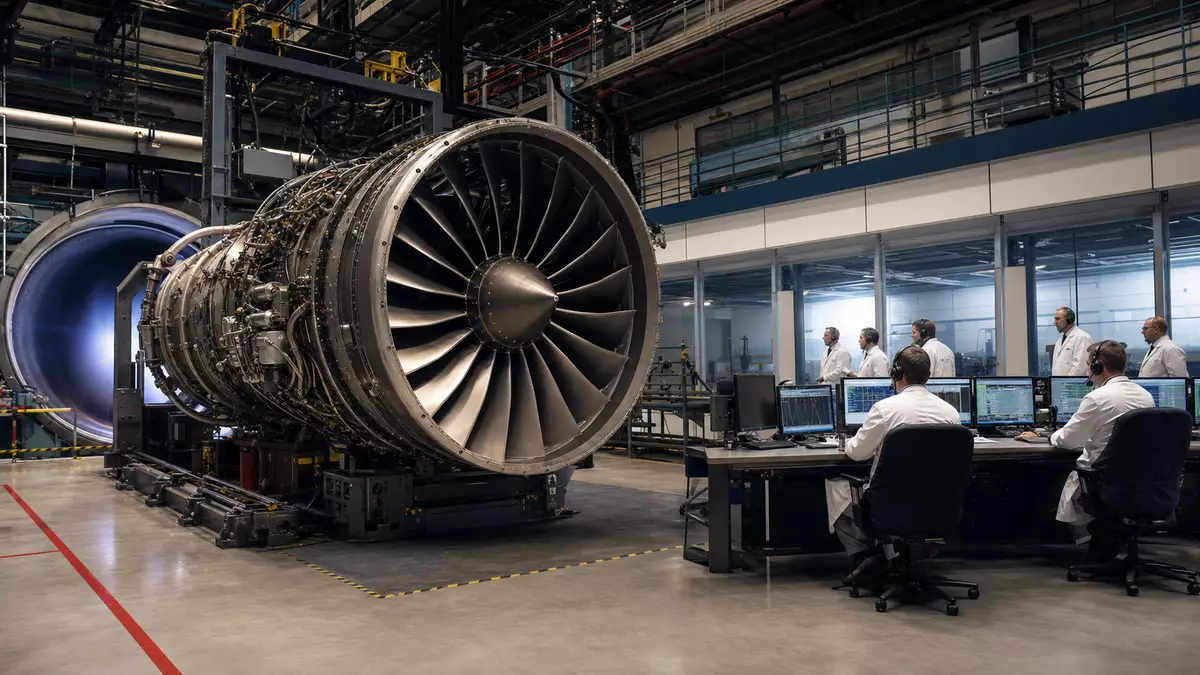
Rolls-Royce is pressing ahead on two fronts at once: putting the reliability troubles of its Trent engine family firmly in the past while pouring fresh capital into the British factories that build them. The dual effort was underscored on Tuesday when the Airbus A350F freighter completed its maiden four-hour flight from Toulouse, powered by Rolls-Royce Trent XWB-97 engines — the same day the company unveiled £300 million in new domestic investment.
A decade-old problem, finally closed out
The Trent 1000's difficulties first surfaced publicly in 2017, when premature wear and fatigue cracking were confirmed across roughly 500 engines worldwide. Airlines bore the brunt: inspection intervals were slashed and twin-aisle transoceanic routes came under strict operating conditions. Management's answer was a sweeping blade improvement programme, and the second development stage is now being delivered to customers. The upgrade is designed to cut fuel burn and emissions during routine service, with full modernisation of the affected fleet remaining the end goal.
Those engineering changes are feeding through to output. Faster turnaround times in the workshops are helping engines return to service on schedule, restoring the industrial flexibility the group had been missing and shoring up ties with key airline customers.
Where the £300 million lands
The investment package is spread across five UK sites, with Derby taking the largest slice at more than £140 million and a completion target of 2028. Bristol is earmarked for over £90 million, directed at military engines plus maintenance and repair capacity. In Rotherham, funding goes to the turbine blade plant, where production volumes are set to double by 2030. Filton, meanwhile, employs several thousand specialists working on the EJ200 and MT30 military powerplants and the GCAP combat aircraft project, with new money aimed at modernised work areas and digital security infrastructure.
Should investors sell immediately? Or is it worth buying Rolls-Royce?
The push responds to buoyant global air traffic and rising European defence budgets, and is intended to ease bottlenecks in component manufacturing and harden supply chains. It forms part of a five-year, £300 million plan across the five British locations. Since the transformation programme began in 2023, more than £3 billion has already been channelled into domestic plants.
Defence and civil lift each other
Rolls-Royce is expanding its defence arm in parallel, with build-out there scheduled for completion by 2031. The rebalancing highlights how much weight the military side now carries alongside civil aviation — both divisions stand to gain from upgraded infrastructure and leaner workflows, giving the group a buffer against the cyclical swings of air travel.
On the turbine side, the focus is on components built to take punishment. Refinements to the Trent line target better cooling of turbine stages and markedly longer time on wing. The A350F's first flight opens a new chapter for the civil large-engine business: the certification campaign for the test aircraft is expected to run about nine months, with initial deliveries of the freighter to customers slated for the second half of 2027.
Rolls-Royce at a turning point? This analysis reveals what investors need to know now.
Market reaction
Investors have rewarded the progress on reliability and capacity. The stock closed yesterday at EUR 17.27, a gain of 31% since the start of the year, and was trading at EUR 17.24 in today's session — holding near its highs. With the long-running engine issues resolved and MRO capacity expanding, the British engineering stalwart is rebuilding its operating momentum, laying the groundwork for dependable earnings across both civil and defence work.
Ad
Rolls-Royce Stock: New Analysis - 30 September
Fresh Rolls-Royce information released. What's the impact for investors? Our latest independent report examines recent figures and market trends.


