Rolls-Royce's Growth Story Rests on Two Unproven Bets: A Narrowbody Slot and a Service Upsell
Published on 10/29/2026 at 16:20 | Editorial boerse-global.de
Rolls-Royce has spent the past fortnight stacking up contract announcements, but the engine maker's investment case still turns on two questions it cannot answer alone: whether airframers will hand it a narrowbody engine programme, and whether a broader service offering will actually pull in extra demand.
Start with the headline item. A potential UK support agreement, floated roughly a week ago, would establish a jointly funded ten-year framework worth £2.5 billion, covering both civil and military engine technology — including a demonstrator aimed at single-aisle aircraft. The framework is agreed; the money and the work behind it remain subject to the approvals laid out in the arrangement. A first research phase, too, hinges on a final deal being signed.
A Demonstrator Is Not an Order Book
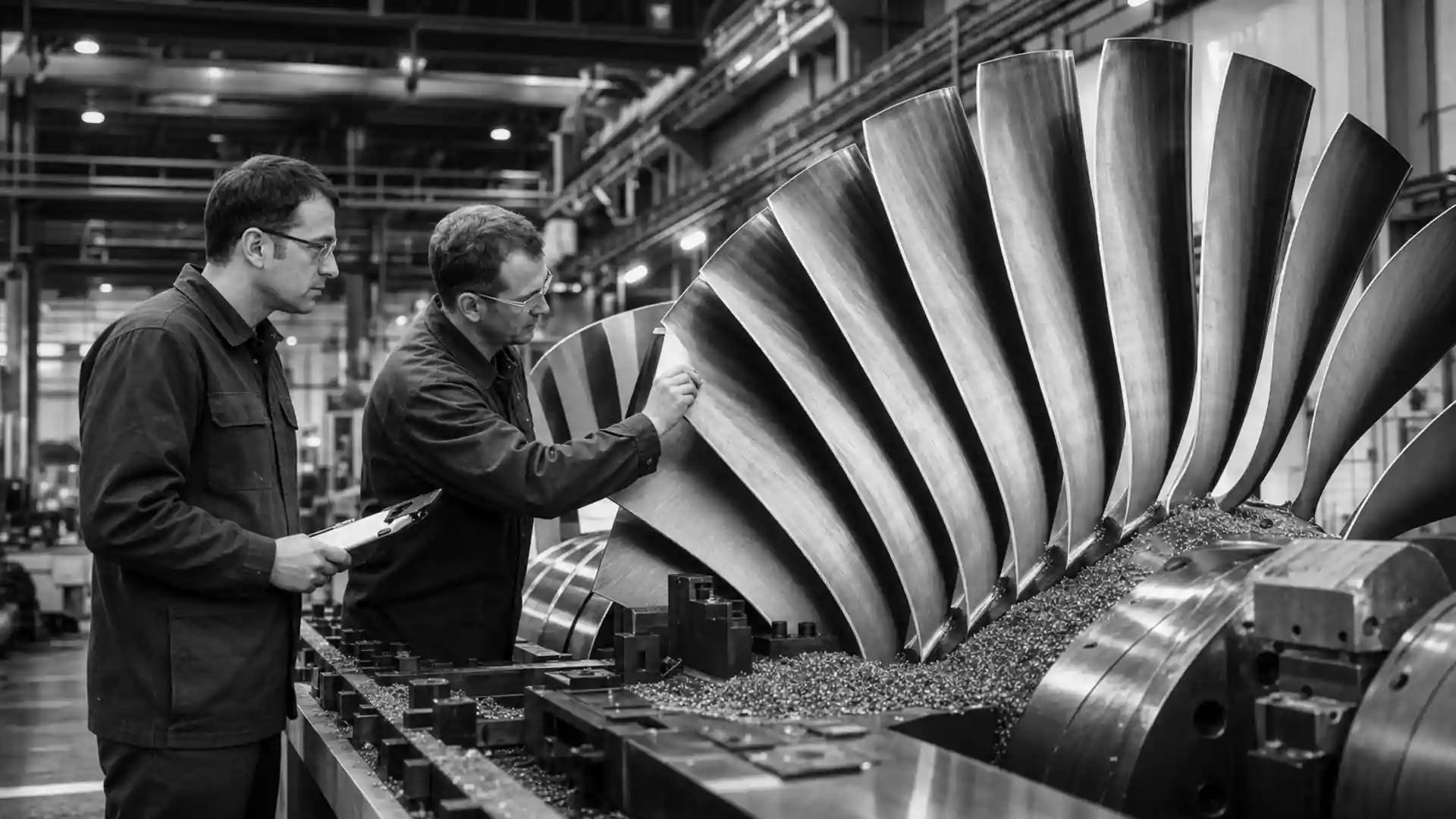
The next generation of single-aisle jets is expected to enter commercial service in the mid-to-late 2030s, and Rolls-Royce intends to be positioned with more efficient, lower-emission powerplants. That is a long-term commercial opening, not a secured market. A selection by the airframers would be the trigger for British assembly and test facilities, plus expanded output of turbine blades and composite fan blades — the industrial build-out is explicitly tied to a commercial win.
The scale of the prize is visible in Boeing's own forecast: 33,545 new single-aisle aircraft worldwide between 2026 and 2045. That figure describes market potential, not Rolls-Royce's future order book. A successful re-entry would give airlines a third engine option alongside CFM International and Pratt & Whitney, though analysts expect no change to existing A320neo and 737 MAX orders — the opportunity sits in future programmes, not in a near-term reshuffling of current commitments.
Employment follows the same conditional path. Some 3,300 existing jobs at Rolls-Royce and its suppliers are to be supported through the end of 2029. Tens of thousands of additional roles could follow later, but only if the company lands a corresponding engine order. Protecting current positions and building a future workforce are separate milestones, and Rolls-Royce puts the potential contribution of a successful programme to the UK economy at £120 billion over its lifetime — neither a revenue forecast nor a banked economic return.
Should investors sell immediately? Or is it worth buying Rolls-Royce?
Service Deals Extend the Clock, Not the Revenue
On the aftermarket side, the company has been busy. Dedienne Aerospace's licence for the engine-stand and tooling business has been extended by ten years, according to media reports, while the repair contract for engine stands runs a further five. The longer contractual horizon secures an existing business framework; whether it produces growth depends on how much the offerings are actually used.
Rolls-Royce added further coverage on 20 October, unveiling extra benefits for CorporateCare Enhanced customers, including extended time-limited coverage for eligible life-limited parts on Pearl engines — with no increase to the programme's hourly rate. A richer package at an unchanged rate may look more attractive to customers; for investors the arithmetic is harder, since additional coverage is not automatically additional revenue. The favourable outcome is stronger demand for the programme. The less favourable one is a heavier obligation load without the traffic to match.
The service network is widening as well. StandardAero said on 19 October that its Augusta site has joined Rolls-Royce's authorised service network, where it will offer maintenance for Tay and BR710 engines. The direction of travel across these moves is clear — more services, more access points — but the commercial test only arrives when customers use them.
A Firm Order, and a Buyback That Answers Nothing
One concrete transaction stands out. On 13 October, Avolon placed an order for 70 Trent 7000 engines to power 35 Airbus A330-900s — a firm commitment rather than a letter of intent. Even so, it does not translate into a defined stream of future service revenue. The bull case requires that those extra engines later generate demand for support and maintenance, demand that the extended partnerships could then help serve.
Set against all this, Rolls-Royce reported further purchases under its £2.3 billion buyback programme, with shares acquired between 20 and 26 October due to be cancelled. That capital measure is a separate matter from operating performance and cannot substitute for evidence that the expanded service offering is paying off.
What Investors Should Watch
Two tests now run in parallel, and they should not be conflated. The service business has to prove it can convert a wider offering into economic benefit — a longer licence says nothing about how fast demand grows during its term, and a bigger network guarantees no higher utilisation. Should the added coverage generate more cost than incremental demand, the benefit to shareholders would be limited; that is a scenario, not a reported hit to earnings.
The research programme, meanwhile, must clear its next formal hurdles, with funding and implementation still subject to the planned approvals. Clearances could sharpen the long-term technology picture.
Neither file is closed. A support agreement does not replace a decision by the airframers, and a signed contract does not by itself lift service revenue. For anyone weighing the shares, the distinction between developing technology and winning commercial ground — and between extending an agreement and growing the business behind it — remains the whole story.
Ad
Rolls-Royce Stock: New Analysis - 29 October
Fresh Rolls-Royce information released. What's the impact for investors? Our latest independent report examines recent figures and market trends.