
Rolls-Royce's A350F Milestone Puts Engine Durability—Not Orders—at the Center of the Investment Case
Published on 09/30/2026 at 03:40 | Editorial boerse-global.de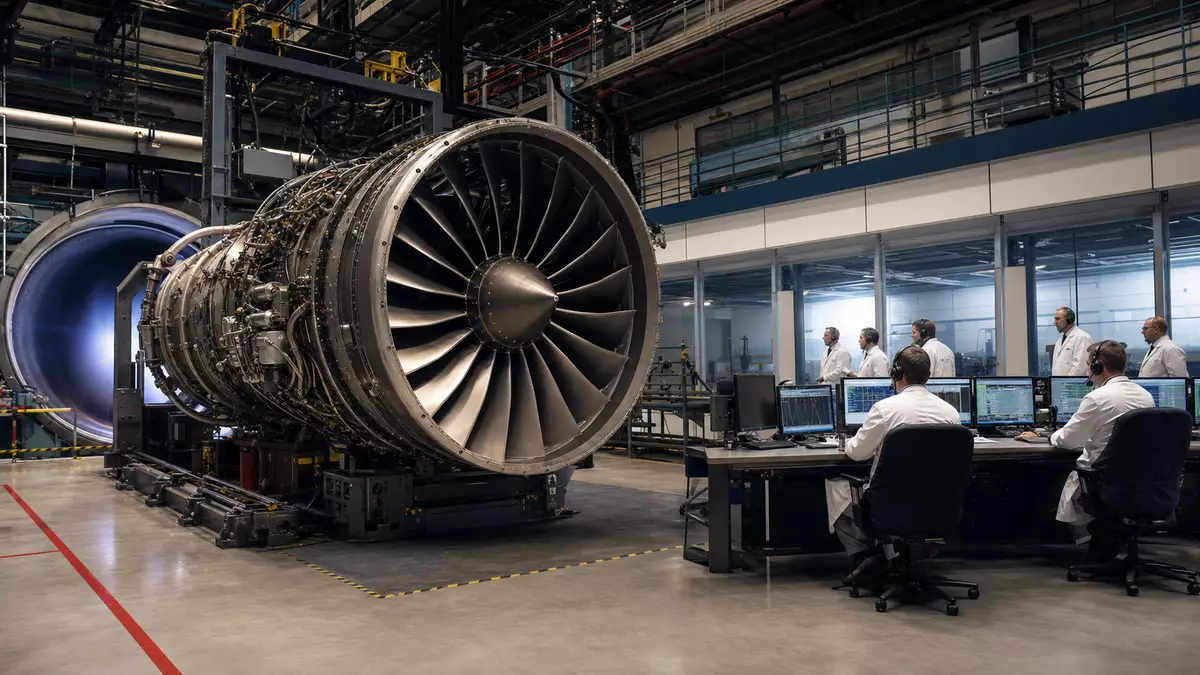
Rolls-Royce's Trent XWB-97 powered the Airbus A350F on its maiden flight from Toulouse on Tuesday, a four-hour sortie that opens the certification campaign for the freighter. The same day, management signed off on fresh spending for the group's UK industrial footprint, with more than £90 million earmarked for the Bristol site and a broader £300 million programme spanning five plants.
The twin announcements land as the stock trades just shy of its peak. Rolls-Royce shares have climbed 31% since the start of the year, changing hands at EUR 17.27 at Tuesday's close and EUR 17.24 during the following session—leaving the equity only modestly below its 52-week high of EUR 18.47.
For shareholders, that re-rating has shifted the debate. The turnaround story is no longer the question; the question is whether Rolls-Royce can keep a ballooning fleet of engines running profitably.
Why the maintenance book now drives the valuation
Airlines and cargo operators increasingly pay for engine power by the hour. That model rewards reliability and punishes premature shop visits, which drag on margins through warranty claims and compensation for grounded aircraft.
Should investors sell immediately? Or is it worth buying Rolls-Royce?
Rolls-Royce has staked £1 billion on its Durability Enhancement Program to address exactly that pressure across the Trent family. The goal is to eliminate the design weaknesses of earlier years and prevent unplanned engine removals. If the company can reliably extend time on wing, its expanding global fleet becomes a high-margin revenue stream. If manufacturing defects or material fatigue resurface, costly rework eats the returns.
The technical case rests on redesigned turbine blades that deliver 40% more cooling in the high-pressure section—a modification the company says more than doubles the time Trent 1000 engines spend on wing. Industrial capacity is being scaled to match: maintenance capability in Derby has been expanded by more than a quarter, while output across the supply chains for Trent 1000 and XE engines rose by a third.
Freight demand adds a second growth leg
Airbus's cargo push gives the civil business another tailwind. The planemaker has booked 115 firm orders for the A350F, and each aircraft carries two Trent XWB-97 units—steadily enlarging Rolls-Royce's installed base. Long-term service agreements convert that base into predictable cash flows stretching over decades.
The UK spending follows the same logic. Derby takes the largest slice, more than £140 million, with completion targeted for 2028. Bristol's £90 million-plus allocation covers military engines along with maintenance and repair capacity. In Rotherham, investment in the turbine blade plant is intended to double output by 2030. Together the outlays aim to loosen bottlenecks in component manufacturing and harden supply chains against the rising demand from global air travel and expanding European defence budgets.
The risks sitting on the other side of the ledger
Retrofitting the existing fleet is a multi-year drain on manufacturing capacity. The entire worldwide Trent 1000 fleet is due to receive first-phase components by the end of 2027—a tight schedule that specialised suppliers could derail. Blade coatings remain technically demanding, and defects in thermal barrier layers would trigger fresh groundings for operators.
Rolls-Royce at a turning point? This analysis reveals what investors need to know now.
The site upgrades also demand heavy upfront liquidity. Whether the spending lifts productivity as hoped will only become clear after the programme's scheduled completion in 2031.
Investors are therefore weighing a straightforward trade-off. As long as the billion-pound durability effort stays on track and MRO capacity keeps pace with demand, the operational recovery has room to run. Slip the retrofit timeline, or let quality issues lengthen shop visits, and the market's recent optimism would likely unwind quickly.
The next hard data points
The A350F test programme is the nearest source of evidence. Certification is expected to run about 400 flight hours over more than nine months, with first deliveries to customers targeted for the second half of 2027. A clean test campaign is the precondition for Rolls-Royce to harvest the rewards of its technical pivot.
Ad
Rolls-Royce Stock: New Analysis - 30 September
Fresh Rolls-Royce information released. What's the impact for investors? Our latest independent report examines recent figures and market trends.


