
Rolls-Royce Lands Philippine Airlines Trent Deal as EU Taps It to Lead Hybrid-Electric Research
Published on 09/25/2026 at 15:20 | Editorial boerse-global.de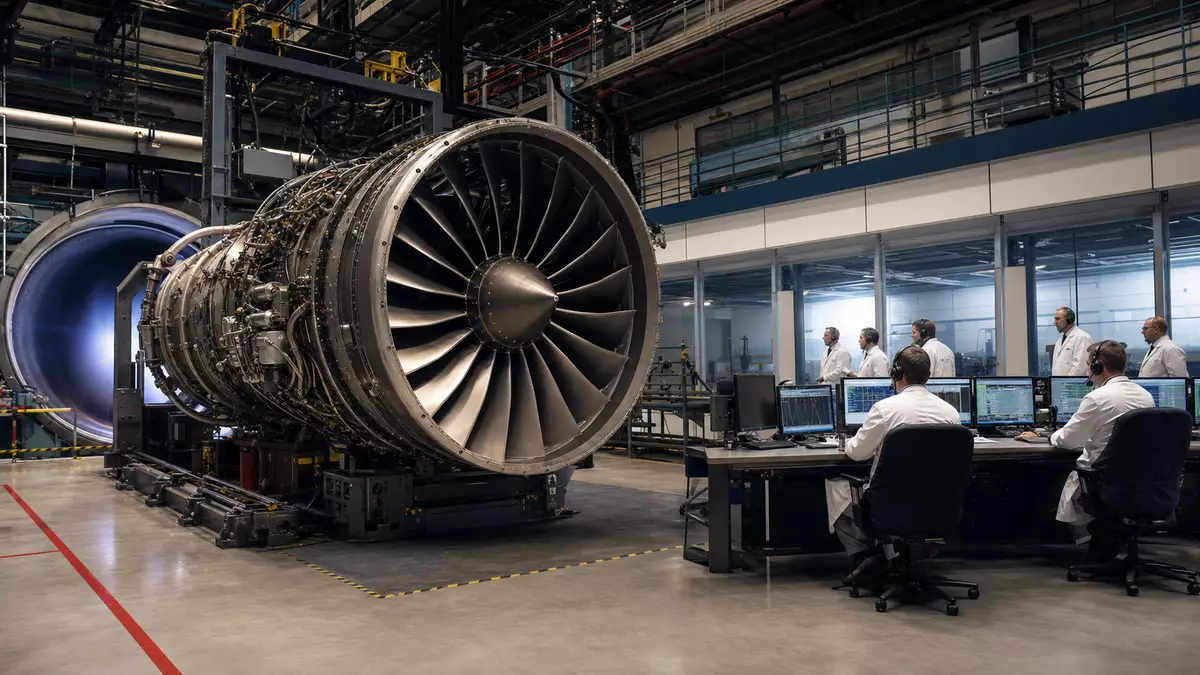
Rolls-Royce is closing in on a major supply agreement with Philippine Airlines covering 18 Trent XWB-97 engines, the powerplants earmarked for nine Airbus A350-1000 widebody jets. The contract carries a total value running into several hundred million British pounds and bundles manufacturing with full-life maintenance across the engines' entire service window.
The deal builds on a cooperation that began with a letter of intent signed at the Farnborough airshow and dovetails with an earlier aircraft order placed in 2023. Production will be centered at the company's long-established Derby works, with the agreement also covering long-term servicing for the full operating life of the units. At government level, the order is being tied to safeguarding highly skilled jobs in the domestic industrial base.
A Fresh Mandate in Brussels
While the Philippine Airlines talks dominate the commercial headlines, Rolls-Royce picked up a separate strategic win on 18 September, when the European Union selected the group to lead the ELEVATED project under the Clean Aviation program. The initiative is aimed at demonstrating a hybrid-electric gas turbine propulsion system destined for highly efficient short- and medium-haul aircraft, with lower fuel burn as the central objective.
The assignment lands alongside other operational progress. On the rail side, Rolls-Royce delivered six mtu 6H1800R83 PowerPacks to Marcopolo Rail for three diesel multiple units bound for the Brazilian city of Teresina, and Marcopolo Rail is planning a follow-on project using another six systems of the same type. In the marine segment, the Power Systems division unveiled the mtu NautIQ Bridge under the name "Point Break" at the Monaco Yacht Show 2026, a bridge concept targeting digital control and navigation on modern yachts and widening the group's footprint in the higher-margin marine business.
Buyback Running in Parallel
Management is pairing these technology bets with an ongoing return of capital. Under a program with a total volume of £2.3 billion, Rolls-Royce Holdings repurchased 6,770,474 of its own ordinary shares between 8 and 14 September through UBS AG London Branch on the London Stock Exchange and other venues. A person with managerial responsibilities had also acquired company stock on 10 September.
Should investors sell immediately? Or is it worth buying Rolls-Royce?
The equity has held its ground on European trading venues, closing the most recent session at EUR 17.41 and sitting roughly 32% higher since the start of the year. That leaves the stock about 5.7% below its 52-week high of EUR 18.47, a level touched in early August.
The Widebody Cash Engine and the Narrowbody Gap
For investors, the pivotal question is how durable the business model proves to be through the transition to next-generation aviation technology. Widebodies such as the Airbus A350 lock in steady service revenue for the British group across decades, yet the largest slice of the global market has traditionally belonged to single-aisle jets flying short and medium routes.
To reclaim a leading position in that dominant segment, Rolls-Royce is pushing development work on a new propulsion concept and intends to run the UF30 demonstrator on a test bench in 2028. The deciding factor for shareholders is whether the steady cash inflows from existing engine programs are sufficient to underwrite the costly upfront spending on future platforms, while the market simultaneously has to justify the current valuation.
Where the Bull Case Rests
In the optimistic reading, long-term fleet support is the dependable driver. Because maintenance contracts are written to cover the entire operating life of the engines, the company enjoys continuous cash inflows. These service revenues carry attractive margins and largely decouple earnings from the short-term delivery cycles of the airframers.
Tighter environmental rules add further tailwind. Trent XWB-97 engines can already run on a blend of up to 50% sustainable aviation fuel, with full approval envisaged down the line. Should the UF30 prototype test scheduled for 2028 confirm the targeted gains in noise reduction, component durability and hybridization, the group could lay the groundwork for a successful return to the high-volume single-aisle programs at Airbus and Boeing.
What Could Go Wrong
The bear case centers on the operational and financial risks that come with long-dated commitments. Since the exact order value for the Philippine business has not been officially confirmed, the true profitability is hard to quantify. If engine servicing throws up unforeseen cost inflation or bottlenecks in procurement chains, long-running service agreements can weigh on margins for years.
Rolls-Royce at a turning point? This analysis reveals what investors need to know now.
Competition for the next engine generation is also fierce, with three established manufacturers vying to equip the future single-aisle fleets of Airbus and Boeing. The technological leaps demanded in hybridization and component service life require substantial development spending. Should Rolls-Royce stumble in the new development or fall behind its rivals, the business would remain primarily tied to the cyclical widebody market.
What the Share Price Now Demands
As long as the stock defends its gains and the uptrend stays intact, market participants are rewarding the sustained order momentum in the widebody business. If sentiment turns and a deeper correction sets in, the long timelines to market readiness for new engines and the uncertainties of the future platform contest are likely to weigh more heavily on the valuation again.
The 2028 planned trial of the UF30 demonstrator stands as the key technological catalyst. On the operational front, the coming months hinge on formally closing the large Philippine order and fixing the associated maintenance agreements on a binding basis, in order to shore up the foundation for the investment phases ahead.
Ad
Rolls-Royce Stock: New Analysis - 25 September
Fresh Rolls-Royce information released. What's the impact for investors? Our latest independent report examines recent figures and market trends.


