Rheinmetall's Two-Front War: Record Backlog Versus a Halved Share Price
Published on 09/09/2026 at 20:41 | Editorial boerse-global.de
The gap between Rheinmetall's operational reality and its stock market performance has rarely been wider. Germany's largest defense contractor saw its shares slide another 3.4 percent to €1,014.20 on Wednesday, extending a year-to-date decline of 35 percent that has left the equity trading roughly 50 percent below its October 2025 peak of €2,007.00.
Wednesday's drop followed an even steeper 3.9 percent fall the previous session, when the stock closed at €1,009.00. Over the course of the week, the cumulative retreat has reached 7.7 percent. The shares now sit well beneath their 50-day moving average of €1,097.58, a technical signal that chart-watchers read as a bearish marker.
What's Driving the Slide
Market observers have pointed to a rising oil price as the proximate trigger for the latest leg down, with the broader German equity market feeling the pinch. Rheinmetall wasn't alone in the defense sector's retreat — European peers BAE Systems and Thales also gave ground, even as US contractors Lockheed Martin and Northrop Grumman managed to post gains.
Yet the longer-term erosion reflects something deeper than crude oil fluctuations. Analysts at mwb Research have flagged the recent electoral success of the AfD as a risk factor for future German defense spending, a concern that has cast a shadow over the entire European armaments industry. The political calculus has shifted since Russia's invasion of Ukraine initially sent Rheinmetall's shares into orbit on the back of record revenues; investors now fret that a pivot in Berlin's defense posture could throttle the sector's growth trajectory.
Adding to the unease, reporting has surfaced that Rheinmetall's subsidiary MS Motorservice shipped spare parts to Russia in more than 2,000 cases until at least September 2022. The company points to legacy contracts, but the revelation has done little to soothe sentiment. A separate summer report — which JPMorgan called a "bitter setback" — suggested Defense Minister Boris Pistorius was planning to shelve the F126 frigate project, a move that would jeopardize Rheinmetall's order intake targets.
Should investors sell immediately? Or is it worth buying Rheinmetall?
Technical Progress Behind the Scenes
While the market fixates on political headwinds, the company continues to make quiet technological strides. On Wednesday, Rheinmetall released core Battlesuite interface specifications as open source on GitHub, starting with its Onboard API and Tactical API — standardized interfaces designed to link platforms, sensors, effectors, and command applications. For investors, the announcement amounts to a technical footnote with little immediate price relevance, but it underscores the group's push toward greater interoperability across its systems.
The previous day brought news of a partnership with Radiocrafts, whose European-made modules will power mesh-network radio technology for Rheinmetall's battlefield sensing system. Project leader Florian Stechmann highlighted how easily the components integrate into existing setups.
A broader collaboration with Deutsche Telekom, underway since May, aims to build a protective shield against drones and sabotage by fusing air defense, sensor technology, and autonomous systems with 5G networks, cloud infrastructure, and data analytics. Concrete technical specifications have yet to be released, with both companies pledging to provide details at a later stage.
The Order Book Tells a Different Story
Operationally, the picture remains remarkably robust. The order backlog surpassed €80 billion in the second quarter, bolstered by a string of major contract wins. In June came Romania's €5.7 billion order for tanks, air defense systems, ships, and ammunition. July brought a Skynex air defense contract worth several hundred million euros. Mid-August saw the Bundeswehr place an order for 149 mobile rescue stations valued at more than €500 million, which — combined with an earlier order — pushes the total to over €600 million.
Last Friday, a smaller but strategically significant award arrived: Rheinmetall's Canadian subsidiary received a follow-on order from the US Navy for replacement components for MSU-200NAV mobile launching devices, valued in the single-digit millions, with deliveries scheduled between late 2026 and late 2028.
The financials reinforce the narrative of operational strength. Second-quarter revenue climbed roughly 69 percent to €3.289 billion, while operating profit of €562 million came in nearly 20 percent above the €469.9 million consensus estimate.
Rheinmetall at a turning point? This analysis reveals what investors need to know now.
The Catch
There is, however, a wrinkle. Rheinmetall has guided for a sharply negative operating free cash flow this year, weighed down by postponed advance payments and swollen customer receivables. In a market already jittery about defense valuations, that prospect gives investors pause.
The company also plans to build a tank factory in Ukraine, a project that signals long-term confidence even as it adds near-term complexity.
A December Test
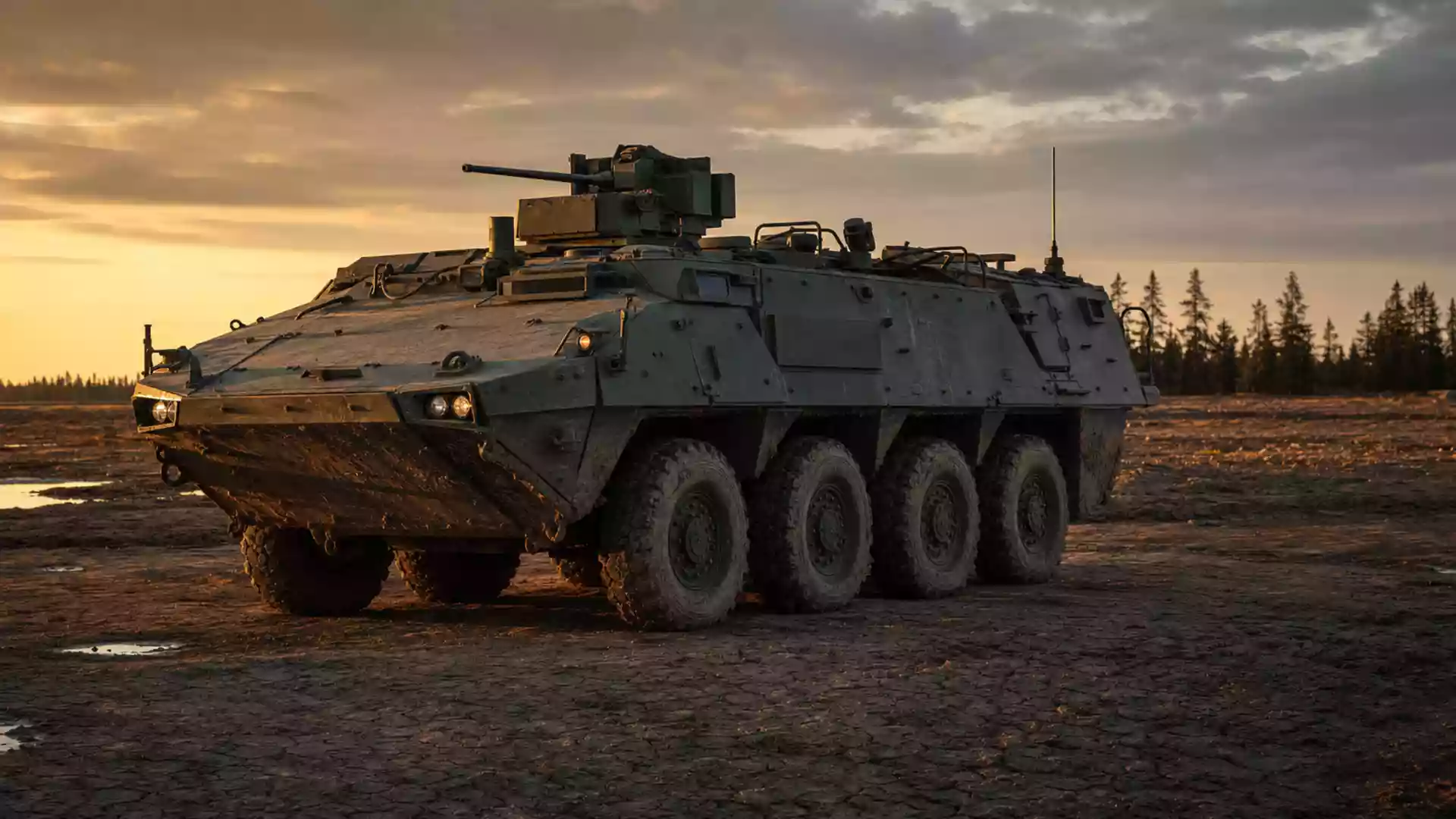
All eyes now turn to the Arminius project, the parliamentary approval for a major Boxer vehicle order from the Bundeswehr, scheduled for December 9. A contract signing could follow within days. Given the yawning gap between Rheinmetall's sturdy fundamentals and its sliding share price, that date looms as the next critical referendum on investor confidence — a moment when the market will decide whether the political discount applied to this stock has grown too steep.
Ad
Rheinmetall Stock: New Analysis - 9 September
Fresh Rheinmetall information released. What's the impact for investors? Our latest independent report examines recent figures and market trends.