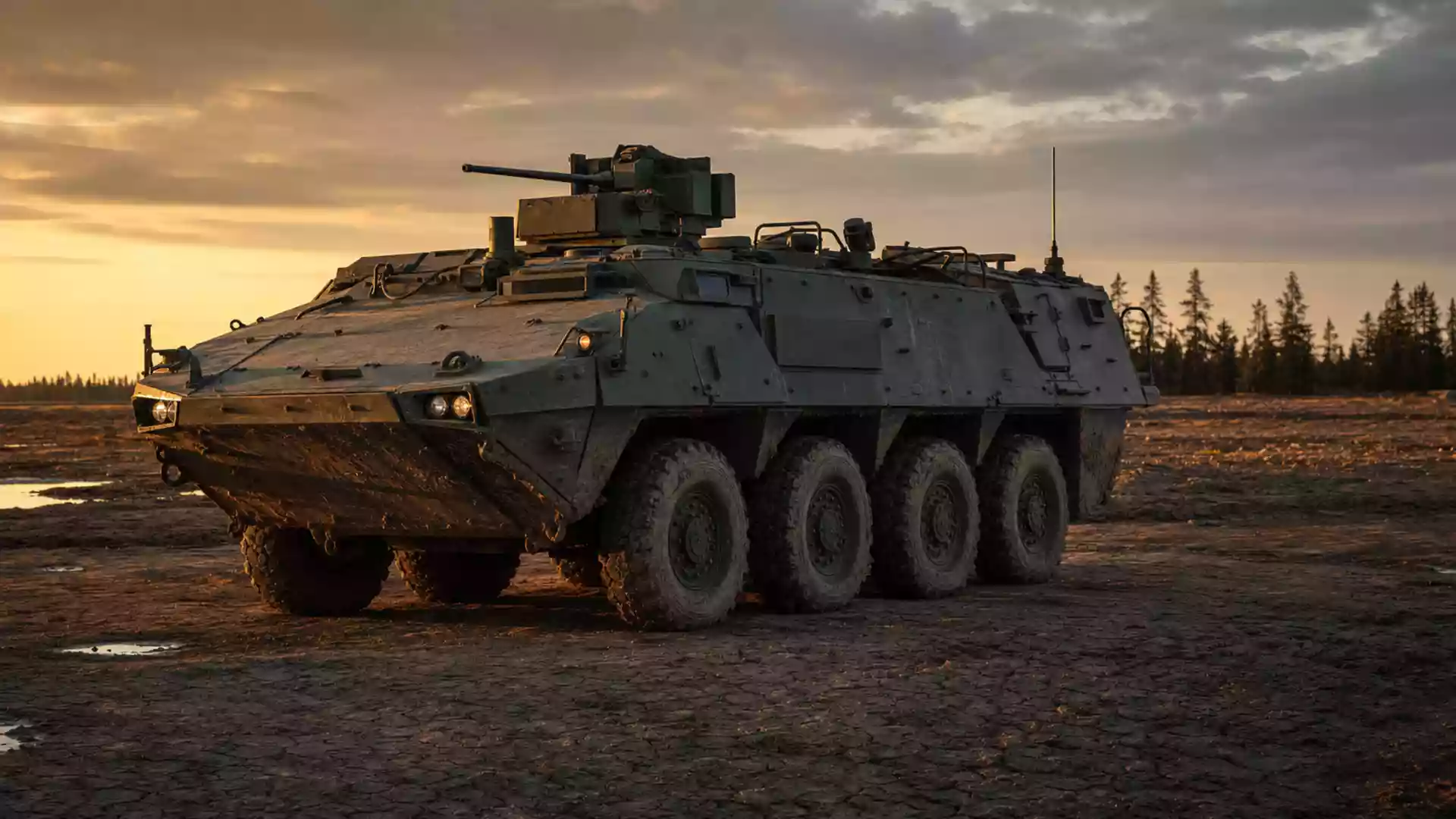
Rheinmetall's Twin Crossroads: A $45 Billion US Gamble and a December Bundestag Vote
Published on 09/03/2026 at 18:11 | Editorial boerse-global.de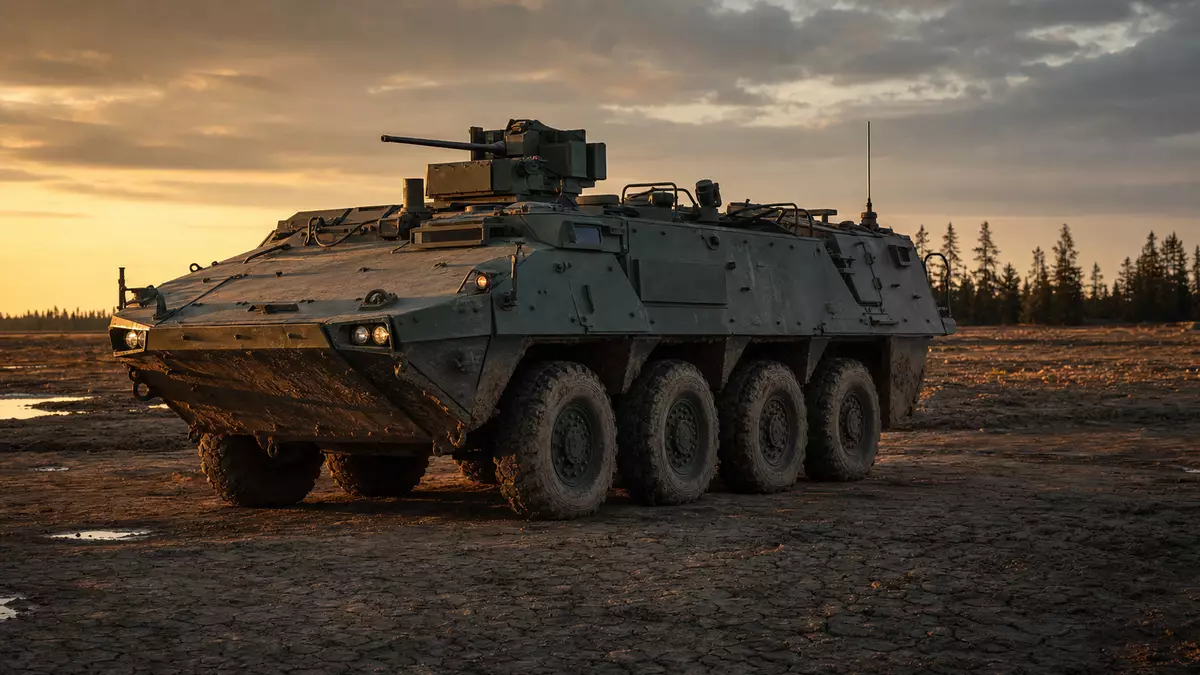
The defence contractor finds itself in an unusual position this week: delivering hardware milestones while watching its share price slide in the opposite direction. On Thursday, American Rheinmetall handed over the first of eight Lynx XM30 prototypes to the US Army, a formal step into a competition that could eventually be worth more than $45 billion for roughly 4,000 vehicles. The development contract attached to the testing phase is valued at $764 million, with the remaining seven prototypes slated for delivery in 2027. The rival in this race is General Dynamics Land Systems.
Investors, however, greeted the news with a shrug — or something worse. The stock fell 2.1 percent on the day, extending a losing streak that has now erased 9.2 percent over seven consecutive trading sessions. By Thursday afternoon, shares were changing hands at €1,068.80, roughly 47 percent below the 52-week high of just over €2,007 reached in early October of last year. A relative strength index hovering near 40 suggests sellers remain firmly in control.
Part of the market's indifference can be explained by expectations: Rheinmetall had signalled its bid for the Bradley replacement programme well in advance, making Thursday's delivery something of a non-event. But broader headwinds are also at play. A drone attack at Leipzig airport, which the German government attributes to Russian intelligence, has injected fresh caution across the European defence sector. Rheinmetall, alongside Hensoldt and DroneShield, is frequently cited as a potential beneficiary of a NATO rearmament response — yet in the short term, risk aversion is trumping that narrative.
Adding to the pressure is the interest rate environment. The yield on ten-year German bunds touched 3.35 percent on Thursday, a 15-year high that weighs on the valuations of capital-intensive growth stocks. Rheinmetall's shares also slipped below key moving averages earlier in the week, when the company led the DAX's losers with a 3.31 percent decline — a move analysts attributed more to profit-taking and technical factors than to any single piece of corporate news.
A December Catalyst in Berlin
The near-term focus for investors may soon shift from the US competition to Berlin, where the Bundestag is scheduled to take up the "Arminius" project on 9 December. The programme centres on a massive order for Boxer wheeled vehicle variants, with a fixed contract worth around €12.4 billion for more than 1,500 vehicles potentially signed five to ten days after parliamentary approval. CEO Armin Papperger has also referenced a service contract with a total volume of €4 billion, of which roughly €2 billion would flow to Rheinmetall. Two additional options could push the overall framework to approximately €26 billion.
Should investors sell immediately? Or is it worth buying Rheinmetall?
The timing has not been lost on analysts. MWB Research, which had downgraded the stock from "Hold" to "Sell" in early August — citing a halved investment ratio and a reduced backlog target — reversed course on Wednesday, upgrading back to "Hold" with an unchanged price target of €1,050. The firm's rationale: the risks to revenue expectations are now better priced into the market. The rapid reversal underscores just how volatile analyst sentiment around the defence group has become.
The Kassel plant stands to be a major beneficiary of the Arminius programme. Workforce numbers at the site are expected to grow from 2,200 to 3,000 employees by the end of 2028, with annual revenue projected to climb from €1.5 billion to €5 billion. The company has also secured provisional traffic approval for its LUNA NG reconnaissance system and is investing €250 million in a drone and research centre in Neuss that will create 700 new jobs.
The Numbers Tell a Stronger Story
The operational picture, at least, remains robust. Second-quarter revenue climbed roughly 69 to 70 percent to €3.289 billion, while operating profit more than doubled to €562 million. The margin came in at 17.1 percent, and the order backlog expanded 44 percent to over €80 billion, supported by a €6 billion package from Romania and the €12.4 billion vehicle contract.
There are caveats. The company trimmed its full-year guidance by €300 million to a range of €13.7 billion to €14.2 billion following the cancellation of its participation in the F126 frigate project. Organic growth is still expected to land between 28 and 31 percent. In late August, the Bundeswehr also placed an order worth more than €500 million for mobile rescue stations, bringing the total to 165 systems valued at over €600 million.
What Happens Next
The US decision on the Bradley successor will not come quickly. Testing of the eight prototypes will stretch into 2027, meaning Rheinmetall faces an extended period of uncertainty before knowing whether it has secured the prize. A win would elevate the company's US business to an entirely new level; a loss would remove a key growth pillar that European operations could not fully compensate for in the near term.
For now, the stock sits in a holding pattern defined by competing forces: solid operational momentum and a record pipeline on one side, interest rate concerns and general risk aversion on the other. The December Bundestag vote on Arminius offers the most immediate potential catalyst — a concrete, dated event that could shift the narrative. Until then, the market appears content to wait, watching both Kassel and the US testing grounds with equal measures of hope and caution.
Ad
Rheinmetall Stock: New Analysis - 3 September
Fresh Rheinmetall information released. What's the impact for investors? Our latest independent report examines recent figures and market trends.