
Rheinmetall's €26 Billion Question: Can Parliament Resolve What the Market Can't?
Published on 09/09/2026 at 22:10 | Editorial boerse-global.de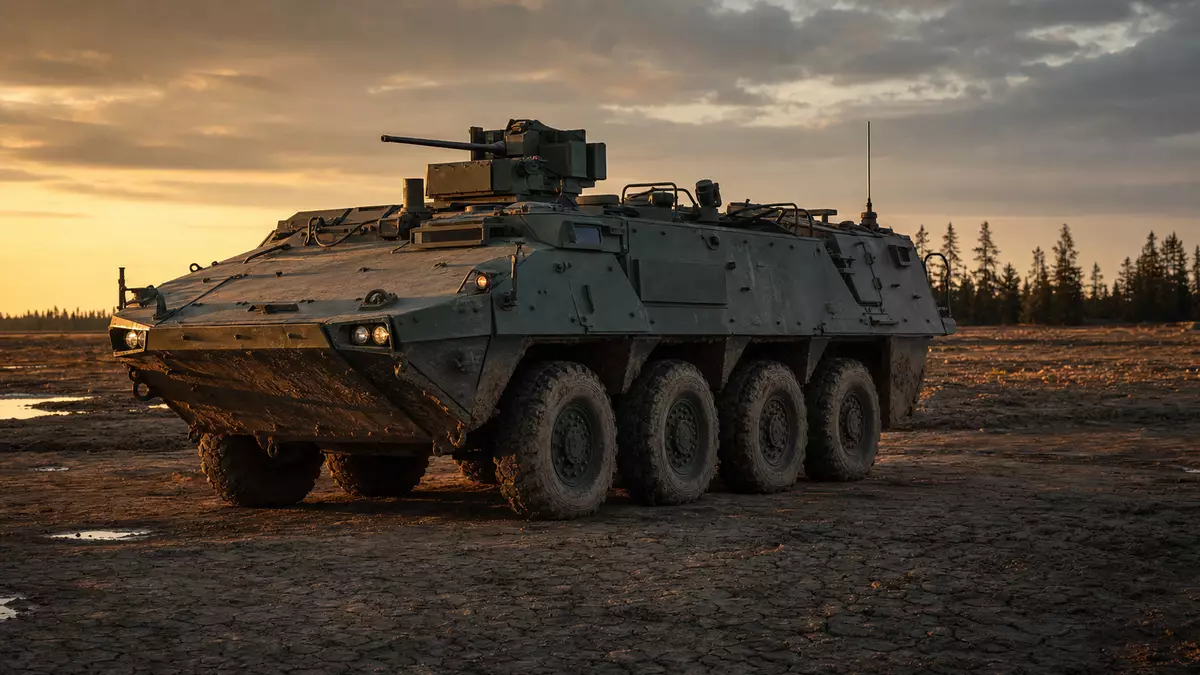
The arithmetic of Rheinmetall's current predicament is stark. The Düsseldorf-based defense contractor closed Tuesday at €1,050.00, then shed another 3.7 percent by Wednesday's session to trade at €1,011.20, hovering dangerously close to the psychologically significant €1,000 threshold. The weekly decline now stands at roughly 7.7 percent, and the stock sits a full 50 percent below its 52-week high of €2,007.00 reached in October 2025.
What makes the slide particularly vexing for shareholders is the absence of a company-specific catalyst. Media reports point instead to rising oil prices exerting pressure across the German market, with the DAX feeling the strain. The pattern is familiar: defense peers BAE Systems and Thales also retreated, even as US counterparts Lockheed Martin and Northrop Grumman managed gains. Rheinmetall's equity has been locked in a broader downtrend that has erased 35 percent of its value since the start of the year, leaving the share price well beneath its 50-day moving average of €1,097.58.
The Backlog Keeps Growing, Even as the Share Price Shrinks
Against this market turbulence, the operational picture tells a remarkably different story. Rheinmetall's second-quarter results showed revenue climbing 69 percent year-on-year to €3.289 billion, while operating profit jumped 115 percent to €562 million — comfortably ahead of the €469.9 million analysts had penciled in. The order book has swollen past €80 billion, and management has reaffirmed its 2026 guidance of €13.7 billion to €14.2 billion in sales with an operating margin around 19 percent.
The contract pipeline continues to feed the growth narrative. In early September, the Bundeswehr placed a supplementary order for 149 additional mobile field hospitals worth more than €500 million, lifting the total value of that contract package above €600 million. Days later, Rheinmetall's Canadian subsidiary secured a US Navy order for spare components of the MSU-200NAV mobile launcher systems — a smaller award in the single-digit millions, but one with strategic significance, with deliveries scheduled between late 2026 and the end of 2028.
Should investors sell immediately? Or is it worth buying Rheinmetall?
These wins extend a string of recent successes that includes a Skynex air-defense contract worth several hundred million euros in July and a €5.7 billion Romanian order for tanks, air-defense systems, ships, and ammunition announced in June.
The F126 Shadow and the Cashflow Squeeze
Not everything has gone Rheinmetall's way on the political front. A summer report in Der Spiegel suggested Defense Minister Boris Pistorius was considering scrapping the F126 frigate project — a development JPMorgan characterized as a "bitter setback," warning that Rheinmetall could miss its order-intake targets as a result.
There is also the matter of cash. The company's operating free cash flow came in at minus €1.331 billion in the second quarter, dragged down by inventory buildup and deferred customer payments. It's a financing burden that must be carried before the backlog translates into actual revenue — a point investors are monitoring closely given the already fragile market sentiment.
December's Decisive Date
All eyes are now turning to the Arminius project, which could prove the most consequential catalyst in Rheinmetall's near-term trajectory. Final negotiations on a fixed contract for Boxer vehicles — valued at roughly €12.4 billion — were slated for the second week of September, with an accompanying service agreement expected to contribute another €2 billion. Combined, the package would approach €14.4 billion to €14.5 billion.
The parliamentary review in the Bundestag is scheduled for December 9, with a potential signing to follow shortly thereafter. Should two additional options — worth €14 billion and €12 billion respectively — be exercised, the total framework could balloon to €26 billion.
The disconnect between Rheinmetall's operational momentum and its languishing share price has created an unusual tension. Tuesday's 2.78 percent gain offered a glimpse of the volatility that now defines trading in the stock, swinging between the gravity of market-wide pressures and the pull of a fundamentally robust order pipeline. Whether the December parliamentary vote on Arminius can bridge that gap — and restore investor confidence in a company whose backlog keeps growing while its valuation keeps shrinking — remains the central question hanging over the stock.
Ad
Rheinmetall Stock: New Analysis - 9 September
Fresh Rheinmetall information released. What's the impact for investors? Our latest independent report examines recent figures and market trends.


