
Rheinmetall's €100bn Order-Book Ambition Meets a Market That's Still Unimpressed
Published on 08/26/2026 at 11:02 | Editorial boerse-global.de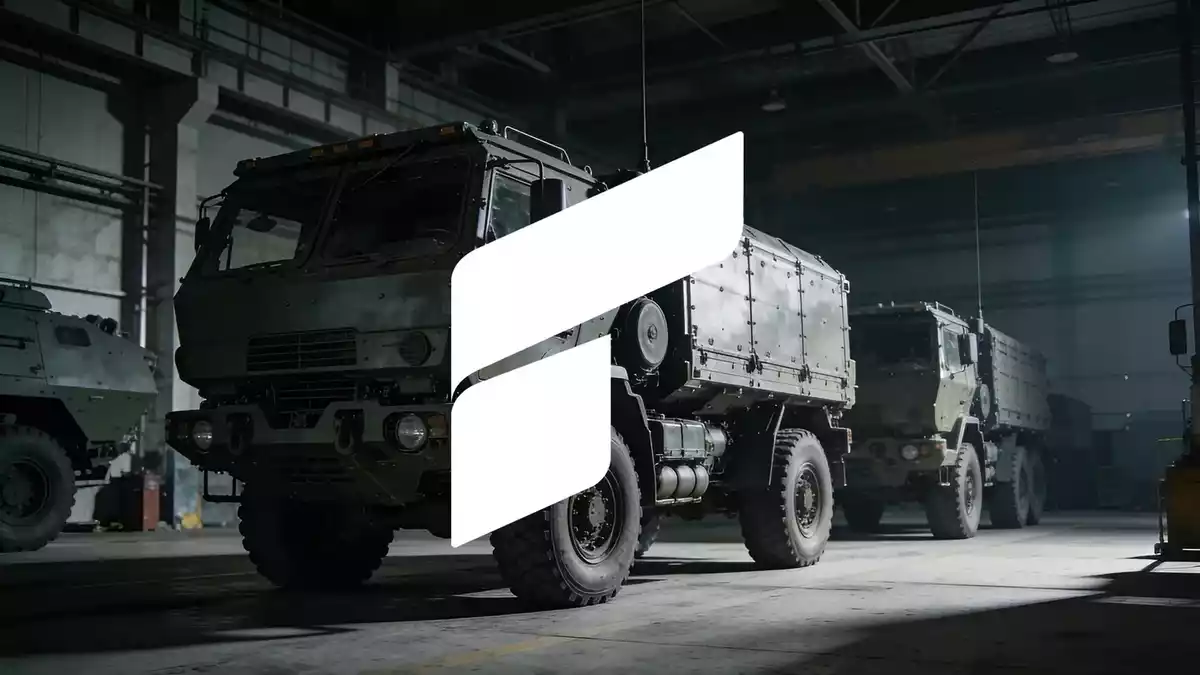
Armin Papperger has never been shy about setting ambitious targets. The Rheinmetall chief executive's latest: an order backlog that tops €100 billion by 2026. It's a formidable jump from the record €80.5 billion the defence group had accumulated by the end of the second quarter — and a statement of intent from a company that insists its growth story remains intact despite a string of recent setbacks.
The path to that milestone is being paved with contracts large and small. The Bundeswehr recently ordered 149 additional mobile medical stations worth more than €500 million, bringing the total number of units on order to 165. The naval division, meanwhile, booked roughly €1 billion in new business during the first half, helped by orders from Romania. That maritime momentum comes even as the group works to replace the cancelled F-126 frigate programme, which Papperger has said he has no intention of putting up for sale — instead, he's hunting for international substitutes.
The F-126 cancellation, announced by the German government, forced Rheinmetall to trim its 2026 revenue guidance to €13.7–14.2 billion just over three weeks ago, down from a previous target of up to €14.5 billion. The operating margin forecast of around 19 percent, however, remains firmly in place. The share price reaction to those numbers was a 2.6 percent dip — a modest move that now looks like part of a broader trend.
That trend is hard to ignore. The stock closed Tuesday at €1,119.80, down 5.1 percent on the week. Since the start of the year, Rheinmetall has lost 28 percent of its value, and it sits 44 percent below the 52-week high of €2,007.00 hit in early October. The 50-day moving average of €1,093.89 is just underneath the current price, while the 200-day average of €1,423.39 remains a distant prospect.
Investors have been notably underwhelmed by the operational wins piling up. A Berlin decision roughly a month ago banning the use of certain protective plates weighed on sentiment, as did those quarterly results. Yet the news flow from the group itself has been relentless.
Should investors sell immediately? Or is it worth buying Rheinmetall?
In the past few weeks alone, Rheinmetall secured its first call-off order under the German Armed Forces Contractor Augmentation Program II, delivering stationary accommodation in Lithuania — a contract that cements its role as the Bundeswehr's go-to infrastructure provider in the Baltics. On August 13, the company demonstrated a successful launch of its FV-014 loitering munition system from a containerized missile launcher mounted on an HX truck, with both static and dynamic tests carried out in front of customers. Days later, Rheinmetall and Hensoldt showcased the integration of Twinvis passive radar technology into the Skymaster command-and-weapons system during the Timber Express 2026 exercise, with the system directing a Skynex air-defence battery over a Link-16 network under realistic NATO conditions.
The group has also opened a centre of excellence for advanced land autonomy in the UK and deepened its cooperation with Canada, aiming to accelerate the deployment of PATH technology across Europe. It's a clear signal that Rheinmetall is pushing beyond its traditional ammunition and vehicle franchises into autonomous systems — a domain that will matter increasingly in future NATO procurement rounds.
On the vehicle side, December brings a Bundestag decision on the "Arminius" Boxer wheeled armoured vehicle programme, which industry circles suggest could involve up to 3,000 vehicles. Rheinmetall is also working with Lockheed Martin on establishing ATACMS production at Unterluess, with facilities slated for 2027 and first revenues from the joint venture expected in 2028. Papperger has additionally expressed interest in acquiring Leonardo's Iveco military vehicle division and plans to meet with its new chief, Lorenzo Mariani, after the summer break.
Perhaps the most telling signal comes from inside the company. Over the past three months, five insiders — including senior executives — bought Rheinmetall shares in 15 transactions totalling roughly €17.4 million, all while the stock was sliding 22.1 percent. Buying against the tide is often read as management confidence in the long-term trajectory, and this cluster of purchases fits that pattern.
The combined order book of Rheinmetall and partner TKMS — which saw its own backlog climb past €25 billion after a €6.3 billion frigate order — already exceeds €125 billion. Papperger's €100 billion target for his own group may well rest on the Arminius decision and a series of ongoing negotiations, but the arithmetic is starting to look plausible.
Analysts, at least, see value at current levels. Jefferies lifted its price target from €1,300 to €1,350 on August 14, maintaining a "Buy" rating. JPMorgan was more cautious three days later, keeping a "Neutral" stance but matching the €1,350 target. Both sit comfortably above the current share price, suggesting the market may eventually catch up with the order flow — even if it's taking its time.
Ad
Rheinmetall Stock: New Analysis - 26 August
Fresh Rheinmetall information released. What's the impact for investors? Our latest independent report examines recent figures and market trends.


