NZ Builder Fined for Ignoring Fall-Safety Order
Published on 09/04/2026 at 01:27 | Editorial boerse-global.de
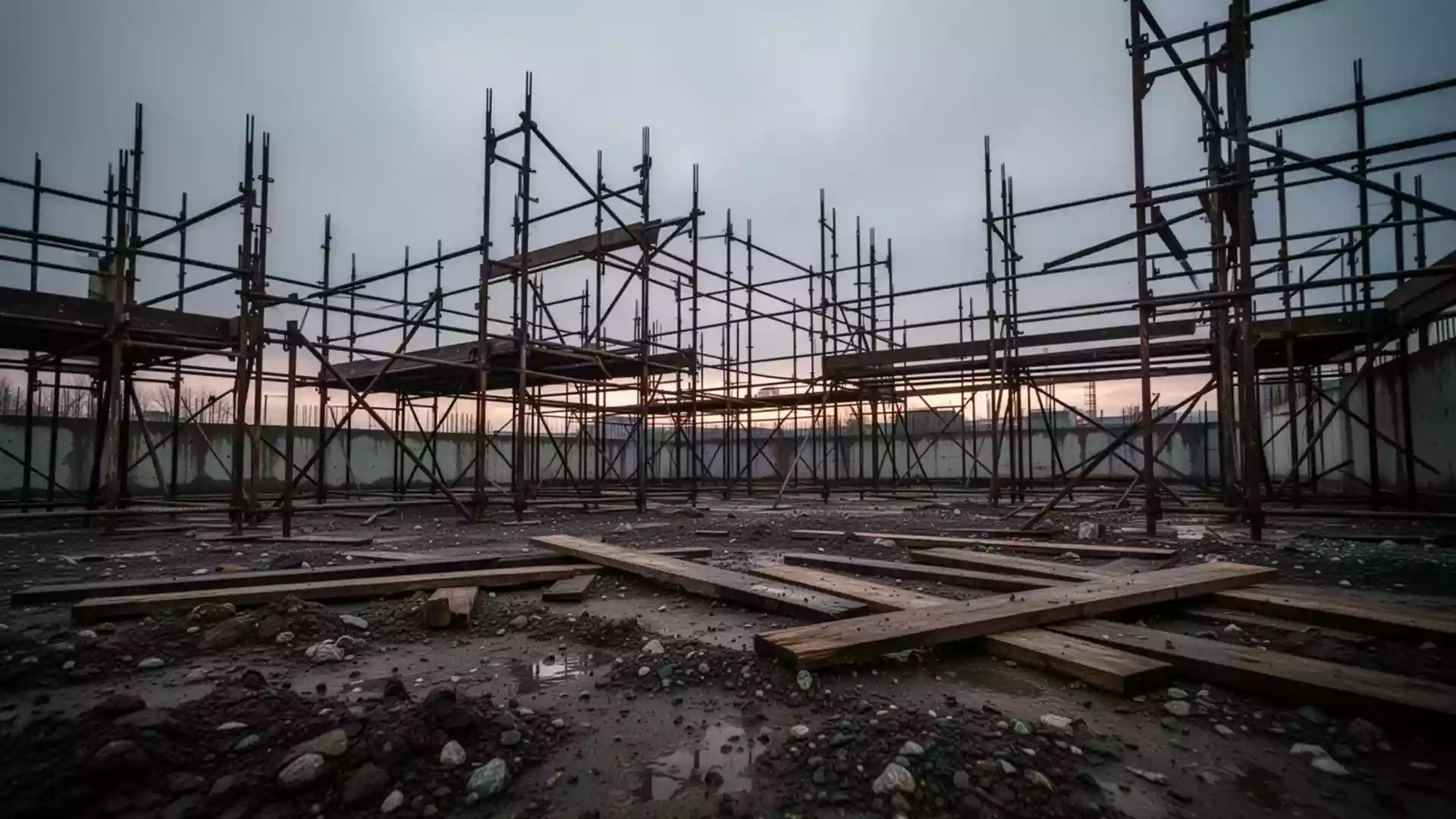
A New Zealand construction firm has been ordered to pay nearly NZ$40,000 after repeatedly ignoring a prohibition notice designed to protect workers from falls at height — a reminder to UK employers that disregarding safety enforcement can carry serious financial and reputational consequences.
Court Penalty for Safety Breach
Grace Motors Ltd, trading as Grace Construction, was sentenced in the Waitakere District Court in August 2026. The court imposed a fine of NZ$38,500 plus costs of NZ$1,099.10 for failing to comply with a WorkSafe prohibition notice.
The enforcement action followed site inspections in early September 2024. Despite the existing notice, inspectors observed personnel working at height without fall protection on September 2 and September 4 that year.
Falls account for roughly 40% of injuries across the construction sector, with ladder-related incidents contributing to a similar share of fall injuries, according to workplace safety regulators.
Ignoring prohibition notices can prove costly, as this case shows. Yet even without a formal notice, UK employers have a legal duty to protect workers from falls and other hazards. A free toolkit with 41 ready-to-use templates and checklists helps you document risks properly and stay compliant. Download the free Risk Assessment Toolkit
Global Pattern of Enforcement
The ruling against Grace Motors coincides with a series of international enforcement actions reported in early September 2026.
In the UK, PPS Metal Recycling was fined £40,000 plus costs by the Grimsby Magistrates' Court on September 1, 2026. The penalty followed a February 2025 incident in which a father and son were injured by a collapsing pile of scrap metal. The Health and Safety Executive (HSE) had previously issued a prohibition notice after a near-miss at the site in January 2025.
In Australia, an appeals court upheld a $12,500 penalty against ML Roberts Electrical on September 3, 2026. The Bendigo County Court confirmed the fine related to a July 2025 incident where apprentices were found working on a roof without guardrails, breaching an earlier prohibition notice.
Asbestos and Silica Crackdowns
Northland Properties Corp was fined C$624,051.48 in May 2026 by WorkSafeBC after inspectors identified asbestos risks at a hotel in Williams Lake, Canada. The regulator found chrysotile asbestos in drywall compounds and noted a lack of worker training.
In the UK, Morris & Spottiswood received a prohibition notice for failing to conduct asbestos surveys in riser rooms at a site in Northampton.
Meanwhile, OSHA issued fines totalling nearly $500,000 against General Shale Brick, also known as Watsontown Brick, for repeat violations involving silica dust exposure — including failures to provide respirators or conduct fit tests.
As these asbestos and silica cases demonstrate, failure to control hazardous substances carries serious consequences. The Health & Safety at Work Act 1974 places clear duties on employers to protect workers from such risks. A free toolkit with risk assessments, checklists and a directors' liability guide helps you meet those legal obligations. Get the free Health & Safety at Work Act 1974 Toolkit
Explosion Charges and Structural Failures
Prairie Bus Lines faces 10 Occupational Health and Safety charges in Canada following a January 2025 propane bus explosion that injured five workers. The charges, laid on August 23, 2026, allege failures in hazard assessment and the provision of flame-resistant outerwear.
In India, authorities arrested a builder on September 3, 2026, following a building collapse in Bhiwandi that killed 10 people in late July 2026.
Fatalities and Rail Safety Concerns
Workplace deaths continue to hit the sector, with two workers dying in a fall at an apartment site in Incheon and another killed at a project site in Ulsan on September 3, 2026.
Closer to home, a Transport Accident Investigation Commission report released in early September highlighted recurring failures in rail worker protection in New Zealand, prompting KiwiRail to accept recommendations for more practical safety controls.