Nvidia's Supply Chain Bill Comes Due: Packaging Subsidies, a $12.93 Billion Deal and 600,000 Chips in Limbo
Published on 11/07/2026 at 18:32 | Editorial boerse-global.de
Nvidia shares climbed 3.2% yesterday, riding a broad recovery in semiconductor stocks after a sharp selloff in the AI sector. Reuters attributed Thursday's selling pressure to worries that a Democrat-led Congress could impose stricter AI rules and slow data-center construction — fears about possible regulatory fallout from the election results, not about any new rules already on the books.
For all the headline noise, the more consequential story sits beneath the tape: how much Nvidia itself is prepared to bankroll to turn AI demand into shippable hardware.
Writing Checks to Secure Packaging Capacity
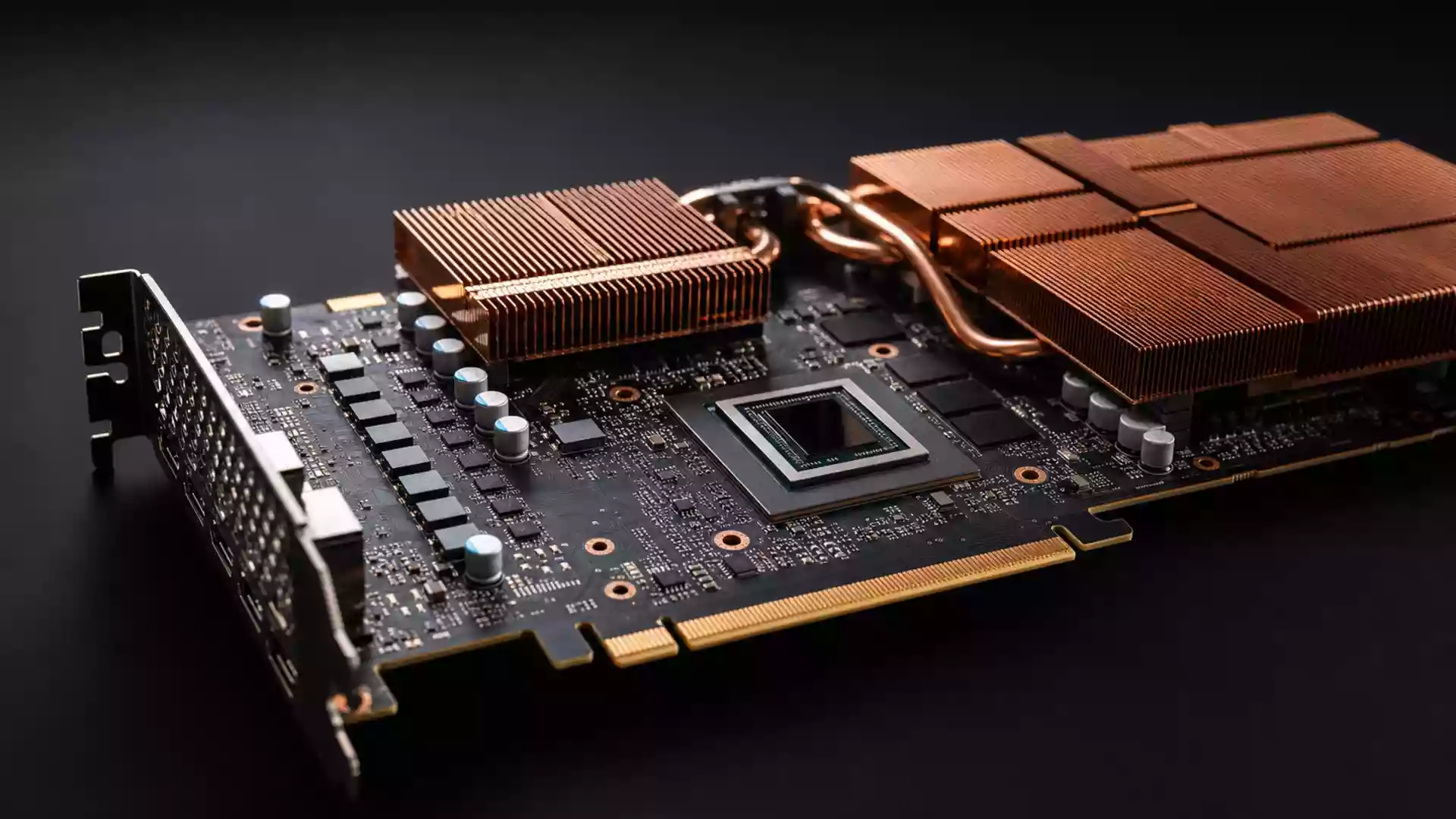
Citing an industry executive, Reuters reported yesterday that Nvidia is committing billions of dollars to expand CoWoS packaging capacity at Siliconware Precision Industries, a unit of ASE Technology. Nvidia declined to comment on the report.
The direction of the move is what stands out. Nvidia would be putting up its own money to grow capacity at a manufacturing partner — an active approach to potential supply bottlenecks, provided the financing materializes as described and translates into usable capacity. The potential upside lies in better access to manufacturing; the burden lies in the capital outlay required to get there. The test for investors is simple: does the cash spent actually yield capacity that can be used?
Should investors sell immediately? Or is it worth buying Nvidia?
A second Reuters report from yesterday points the same way. TSMC has begun planning production of 3D-DRAM at Nvidia's request, weighing a foray into advanced memory chips. Neither company has confirmed the plans. Read together, the two reports sketch a possible strategy in which Nvidia exerts more influence over the preconditions of future production — extra capacity on the packaging side, a potential technical step forward on memory. Both would help, but only if financing and planning turn into available manufacturing. The memory plans, in particular, are too early-stage to count as a secured growth driver; the measure to watch is progress from technical intent to concrete execution.
A $12.93 Billion Deal With Strings Attached
Regulatory questions are also hanging over Nvidia's planned acquisition of Hugging Face. Reuters reported on October 28 that the US Department of Justice has inquired about the competitive effects of the deal, which carries a $12.93 billion price tag. Nvidia is the buyer and Hugging Face the target; closing is expected in the first half of 2027, subject to regulatory approvals.
On the operations front, Nvidia and Oracle announced on October 27 that they will expand Oracle Cloud Infrastructure's superclusters using Nvidia Vera Rubin systems, at a scale of multiple gigawatts. According to the companies, Vera Rubin NVL72 systems and Vera CPUs were already generally available on OCI. Earlier, on October 21, Nvidia and partners unveiled supply-chain capacity expansions spanning substrates, packaging, testing and optical components — including a $1.1 billion advance to King Yuan Electronics to reserve capacity.
The China Bottleneck
Available chips are only half the battle, as the China business shows. Reuters reported on Thursday, citing people familiar with the matter, that roughly 600,000 H200 chips are sitting in Hong Kong awaiting shipment to mainland China while Beijing withholds approval for large-scale imports. Extra production helps sales in China only if imports are cleared — manufacturing capacity and market access have to converge. That makes supply-chain expansion sensible while leaving its economic payoff hostage to decisions outside the company's control.
Investors get their next hard data point on November 17, 2026, when Nvidia reports third-quarter results for fiscal 2027 — a quarter that ended on October 25 — and discusses them on a conference call. Until then, the stock's case rests on a concrete set of tests: capacity has to come online, technical plans have to advance, and political doors have to stay open.
Ad
Nvidia Stock: New Analysis - 7 November
Fresh Nvidia information released. What's the impact for investors? Our latest independent report examines recent figures and market trends.