Novo Nordisk's Buyback Cushion Meets a Pipeline Test in Haemophilia and Sickle Cell
Published on 11/14/2026 at 13:01 | Editorial boerse-global.de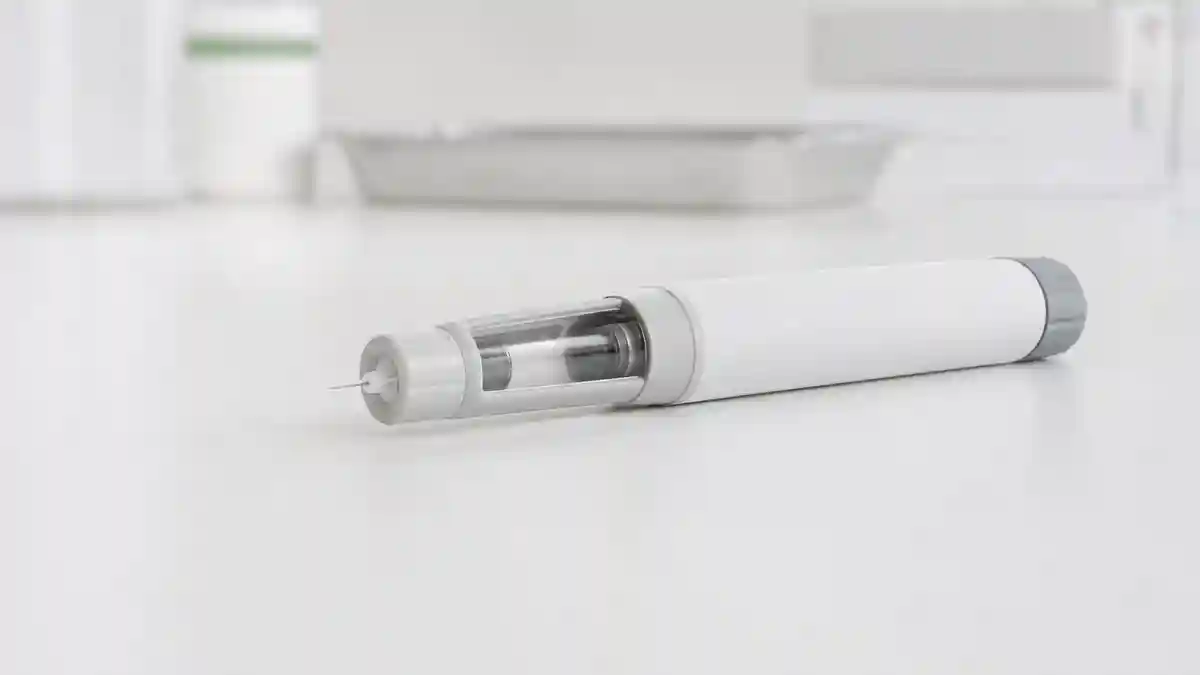
Novo Nordisk has returned nearly four-fifths of its announced buyback firepower to shareholders, yet the Danish drugmaker's next leg of value creation now rests on converting regulatory wins into paying patients. The company disclosed Monday that cumulative repurchases under its programme had reached DKK 11,808,013,711 as of 6 November.
The framework, launched on 4 February, allows for up to DKK 15 billion over twelve months. The word "up to" matters: what counts for investors is whether Novo keeps executing within that envelope. Shares closed Friday with a 2.7% gain.
A European Green Light, With Strings Attached
On the product side, the European Commission has granted marketing authorisation for FREHEMGO, whose active ingredient is denecimig, for routine bleeding prophylaxis in adults and children with haemophilia A. The label covers patients both with and without inhibitors, giving Novo scope to address distinct patient groups — provided pricing and reimbursement talks open the door.
That commercial translation is the crux. Before any launch, country-by-country negotiations on price and coverage must play out, and their outcome will shape when patients gain access and on what economic terms Novo can supply the drug. The company intends to roll out in the first European countries next year, making the sequence of market entries the metric to watch. Named launch markets and confirmed access conditions would sharpen the picture; until then, revenue potential is largely a question of execution.
Should investors sell immediately? Or is it worth buying Novo Nordisk?
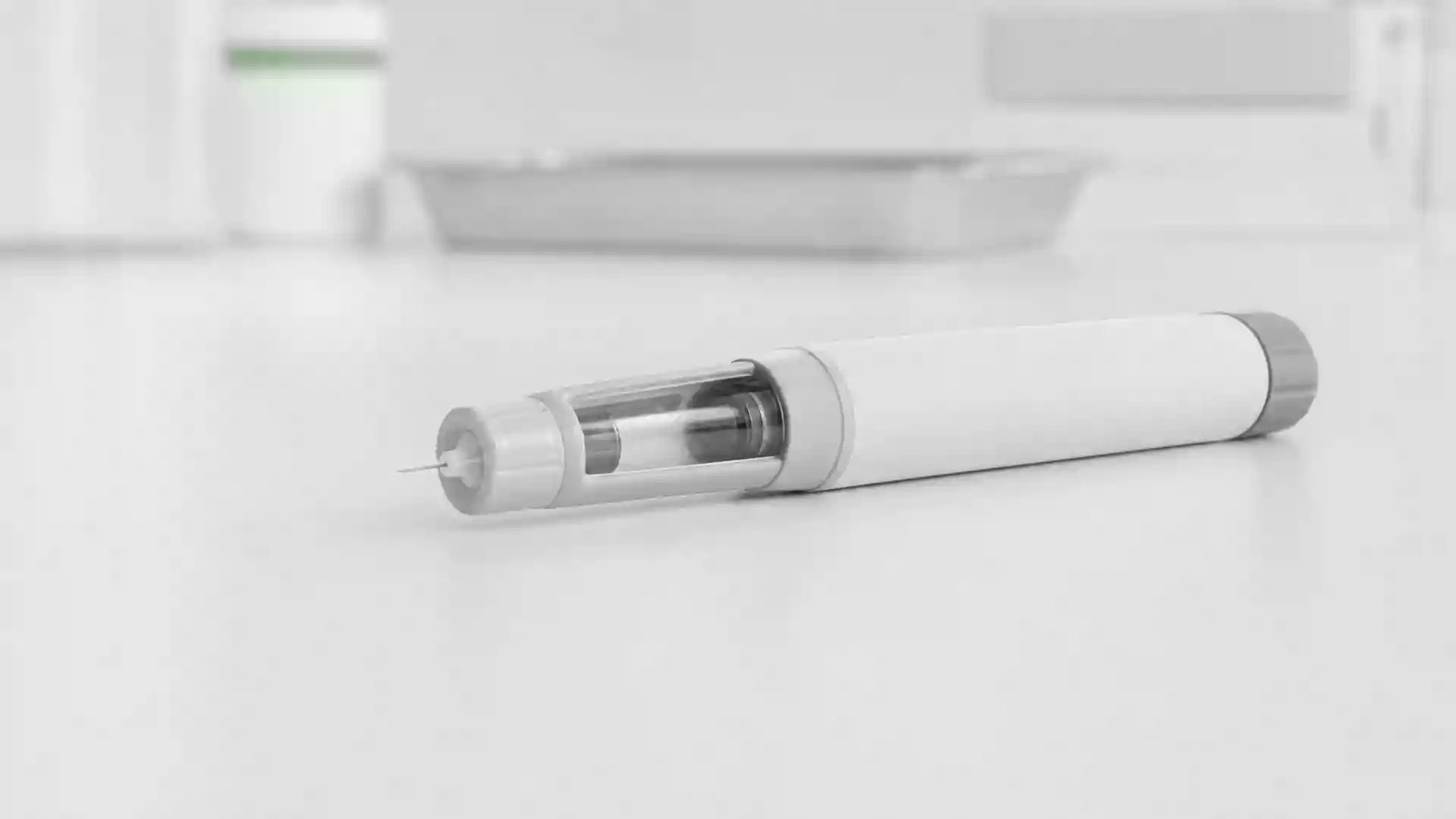
The delivery format may help. FREHEMGO is injected under the skin via a single-use prefilled pen, with approved dosing intervals stretching from weekly to monthly — a menu that could suit differing patient needs if it proves workable in routine care.
Trial Data Underpin the Launch Case
Supporting the commercial push is the FRONTIER programme. In FRONTIER2, patients previously treated on demand saw a marked reduction in treated bleeds: with monthly dosing, the decline versus continued on-demand therapy reached 98.7%. Weekly administration also delivered a significant improvement in that group. Among 196 patients previously on factor prophylaxis, annualised bleeding rates fell as well — by 54.0% on weekly dosing and 42.8% on the monthly regimen. Results in younger children were consistent with those in older patients, and FRONTIER5, which examined a direct switch from emicizumab, raised no new safety signals.
US Timeline Rests on Manufacturing, Not Medicine
Across the Atlantic, the picture is less settled. Reuters reported that the FDA extended its review in October because of ongoing work at a production facility; according to Novo, no clinical deficiencies were identified. Progress on manufacturing requirements therefore remains pivotal to the American opportunity. Novo is targeting a US launch in the first half of 2027, contingent on the pending approval — any further slippage in plant work or regulatory review would push back the commercial contribution. An existing authorisation in Saudi Arabia says nothing about how the US process will end.
Novo Nordisk at a turning point? This analysis reveals what investors need to know now.
Etavopivat Adds a Second Regulatory Track
Beyond haemophilia, Novo has filed applications with both the FDA and EMA for Etavopivat in adolescents and adults with sickle cell disease. Decisions from the two agencies are expected in 2027, according to the company. That outcome remains open, and unfavourable rulings could narrow this additional product avenue; investors would be wise to assign it greater weight only once the regulatory verdict supports it.
What to Watch
The interplay between capital returns and pipeline delivery is a coherent positive case as long as repurchases continue and the European FREHEMGO launches proceed on schedule. A stalling rollout would sap that case — delayed European introductions would shift the potential operating contribution accordingly, while drawn-out reimbursement talks could cap the initial footprint even on strong data. The coming year's first European launches and the 2027 Etavopivat decisions are the concrete checkpoints against which the conversion of regulatory steps into operating momentum will be measured.
Ad
Novo Nordisk Stock: New Analysis - 14 November
Fresh Novo Nordisk information released. What's the impact for investors? Our latest independent report examines recent figures and market trends.