Micron's $50 Billion Build-Out Meets a Market That Won't Pay for Promise Alone
Published on 11/02/2026 at 10:00 | Editorial boerse-global.de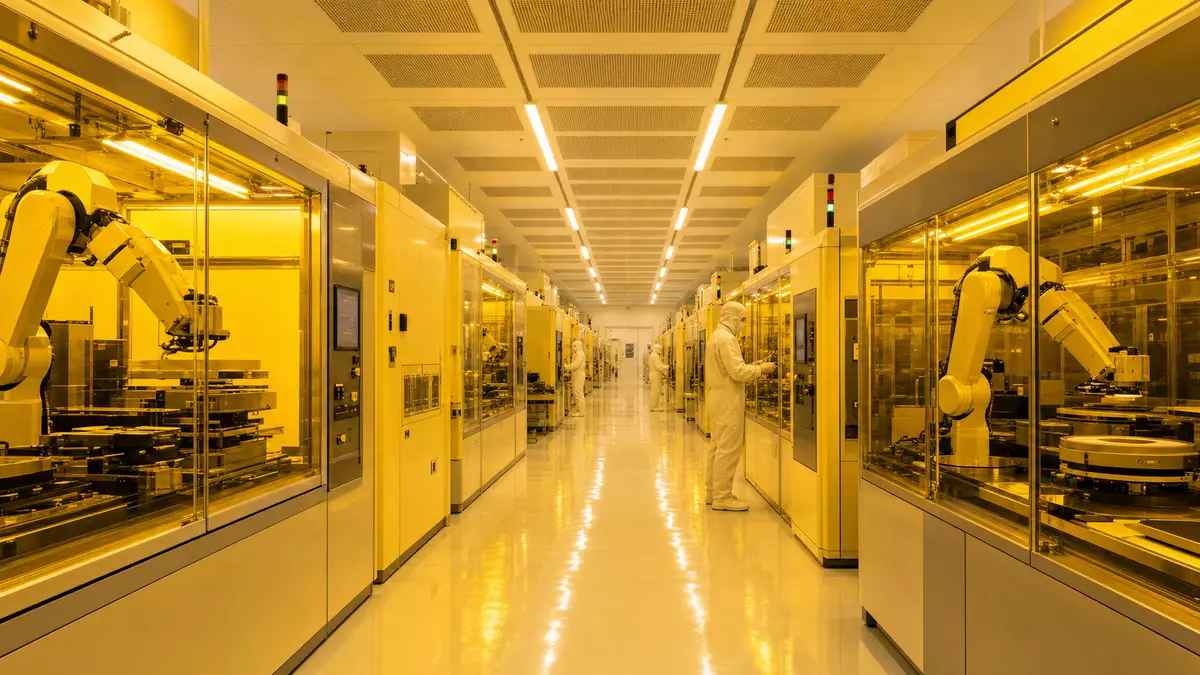
Micron Technology shares drew buyers again after a bruising end to last week, but the bounce says more about sentiment than about the questions that still hang over the memory maker. The stock had fallen 2.2% on Friday before recovering in the following session, a swing that reflects a change of mood rather than a fresh verdict on long-term earning power.
The tension at the heart of the investment case is simple to state and hard to resolve: record results and long-term customer commitments are colliding with an increasingly capital-hungry expansion. AI demand has given Micron both volume and visibility. It has not removed the risk of spending today on capacity that will only be served years from now.
Records Don't Settle the Valuation Argument
There is little to dispute about the strength of the recent quarter. In the fourth quarter of fiscal 2026, Micron posted revenue of $54.23 billion, while adjusted earnings per share came in at $33.42, ahead of what analysts had forecast. That is more than an ordinary improvement in results — AI memory demand has lifted the business to a scale that raises the bar for every report that follows. Strong numbers, in other words, do not by themselves answer whether the stock is attractively priced.
Gross margin stood at 87.0%. For the first quarter of fiscal 2027, Micron guided to a margin of roughly 86.25%. The nuance matters: the company still expects extraordinarily high profitability, but not a further increase from the closing quarter. Anyone watching only for fresh records misses the difference between a high level and continued acceleration.
On the top line, Micron's outlook for the first quarter of fiscal 2027 points to $61.5 billion, plus or minus $1.5 billion. The operating growth message remains forceful. Management's commentary on supply does not fit the picture of a classic demand downturn either — CEO Sanjay Mehrotra expects the memory market to tighten further in the coming fiscal years and could not name a point at which balance might return.
Should investors sell immediately? Or is it worth buying Micron Technology?
A Rival's Caution Serves as a Yardstick
The more uncomfortable signal came from Kioxia. According to Bloomberg, the company expects operating profit of around ¥2 trillion for the December quarter, short of the roughly ¥2.35 trillion analysts had anticipated, citing delayed shipments. That is not a direct profit warning for Micron. It does show why robust demand on its own is not enough to meet lofty expectations: timing of deliveries and pricing can disappoint even when customers still need memory.
The pricing data is especially telling. Kioxia's average NAND selling prices rose about 25% in the quarter through September, down from roughly 70% in the prior quarter. Prices are still climbing, just at a markedly slower pace. For investors, that is the crucial gap between a strong business and a positive surprise — a company can earn exceptionally well and still fall short of what the market has come to expect. Dismissing a cautious outlook as a competitor's isolated problem would be premature.
Contracts Rewire the Memory Cycle
More interesting than the next revenue record is the question of how durable this business has become. Micron is trying to anchor future demand rather than simply convert it into short-term sales. It holds 26 strategic customer agreements running through 2030, which are expected to account for about 35% of revenue by then. For fiscal 2027, more than 75% of shipments are already committed.
That marks a structural departure from a business whose prospects rest on short-term orders. Such arrangements improve planning, though they are no guarantee that every new fab will later earn the return hoped for today. Contracts help with investment planning; the economics of additional capacity still depend on the demand that exists once it is finished.
Capital Outlay Raises the Bar
Micron plans roughly $50 billion or more in capital spending in fiscal 2027, responding to the expected shortage. The strategy is understandable, but it makes the shareholder calculation more demanding. New capacity is meant to enable future growth, while tying up capital before its economic benefit can be fully assessed. Treating expected shortages purely as a share-price catalyst gets this backwards — they are also an investment obligation.
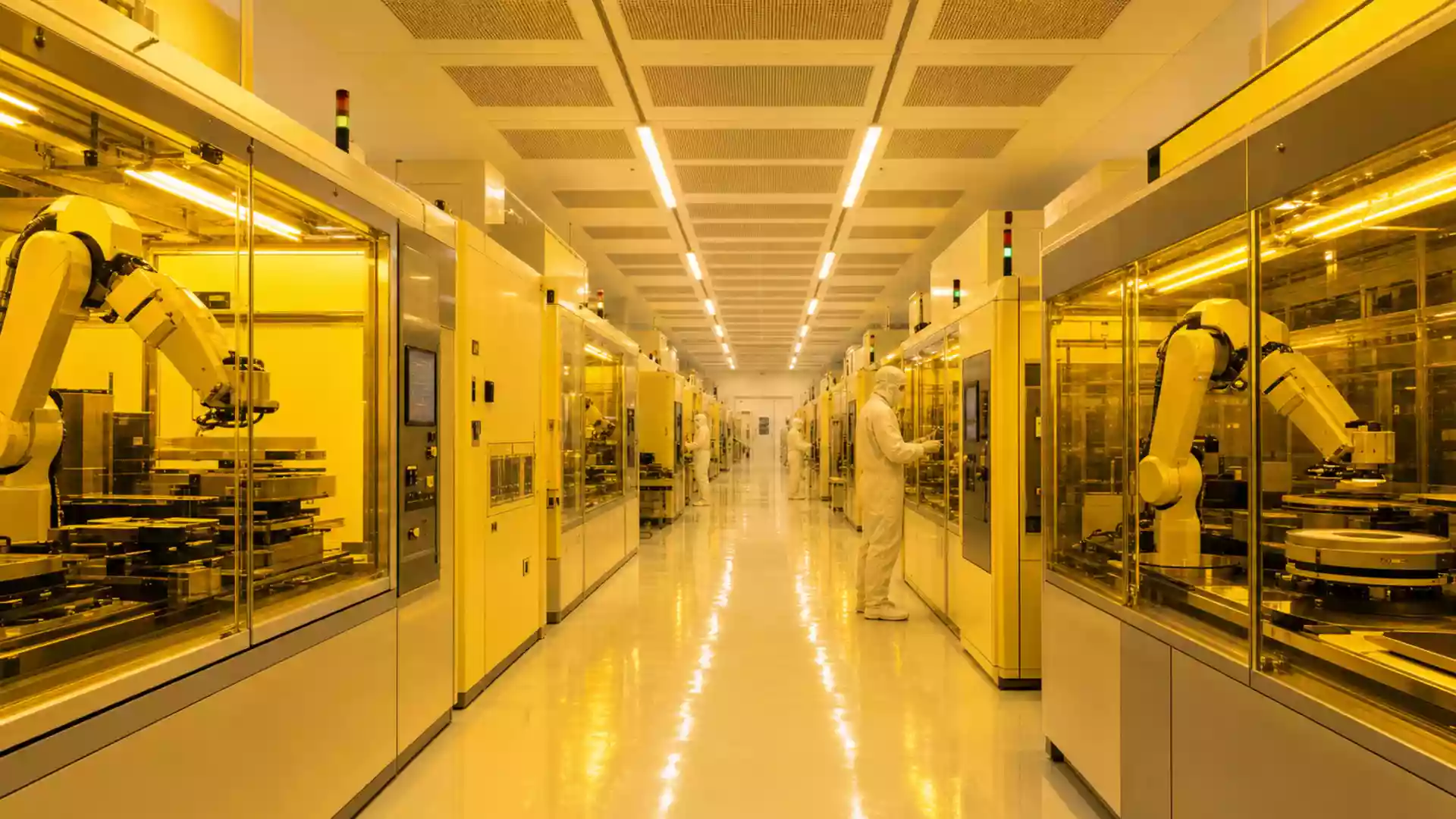
Additional cleanroom capacity is not expected until the end of 2028. Between capital commitment and added supply lies time, which explains why today's tightness will not vanish quickly through new output. It also forces decisions before the later market picture is known. A slower AI build-out could swiftly alter the balance of supply and demand, and with it the sector's profits.
The long-term customer agreements are therefore a more meaningful test than any single trading rebound. They make the expansion more predictable, not riskless. Micron's next challenge is to turn today's locked-in demand into lasting returns across the investment cycle — and to show that the next leg of growth still carries high margins. Fulfilled targets at sustained profitability would be a more convincing signal than rising prices alone.
Ad
Micron Technology Stock: New Analysis - 2 November
Fresh Micron Technology information released. What's the impact for investors? Our latest independent report examines recent figures and market trends.