Micron Eases One Taiwan Standoff but Leaves the Tougher One Unresolved
Published on 10/21/2026 at 14:30 | Editorial boerse-global.de
Micron Technology shares advanced on Tuesday, gaining 3.1%, as investors welcomed word that the chipmaker had reached a labor agreement at one of its Taiwanese sites. The relief, however, comes with an asterisk: a separate dispute at a second Taiwan location remains live, and the terms of the deal just struck have yet to see the light of day.
A Deal, but Not Yet a Verdict
Micron Memory Taiwan and the Taichung union have settled a multi-issue working agreement, according to Reuters, with both sides withdrawing from mediation that had been scheduled for the following day. The contract's provisions were not disclosed, and employees are expected to be briefed on the specifics in the coming days.
That is more than a promise to keep talking — an actual agreement exists. Even so, investors still lack the basis to size up its financial consequences. Without published terms, neither a lasting cost burden nor the scale of the company's concessions can be quantified. Booking the deal as an outright economic win would be premature.
The distinction between the two unions matters. A settlement in Taichung does not automatically end the labor conflict in Taoyuan, and that separation should shape how the news is read.
Taoyuan Still the Open Test
The Taoyuan union was still planning a one-day warning strike over bonuses and profit-sharing, with Reuters unable to confirm whether it would actually go ahead. Among its demands is a long-term distribution of 15% of operating profit to employees.
Should investors sell immediately? Or is it worth buying Micron Technology?
That puts more than a one-off payment on the table. Also at stake is how workers share in the company's success going forward — and from an investor's standpoint, a single payout and a permanent participation rule are very different obligations. Until the terms are clear, extrapolating a specific margin impact would be jumping the gun.
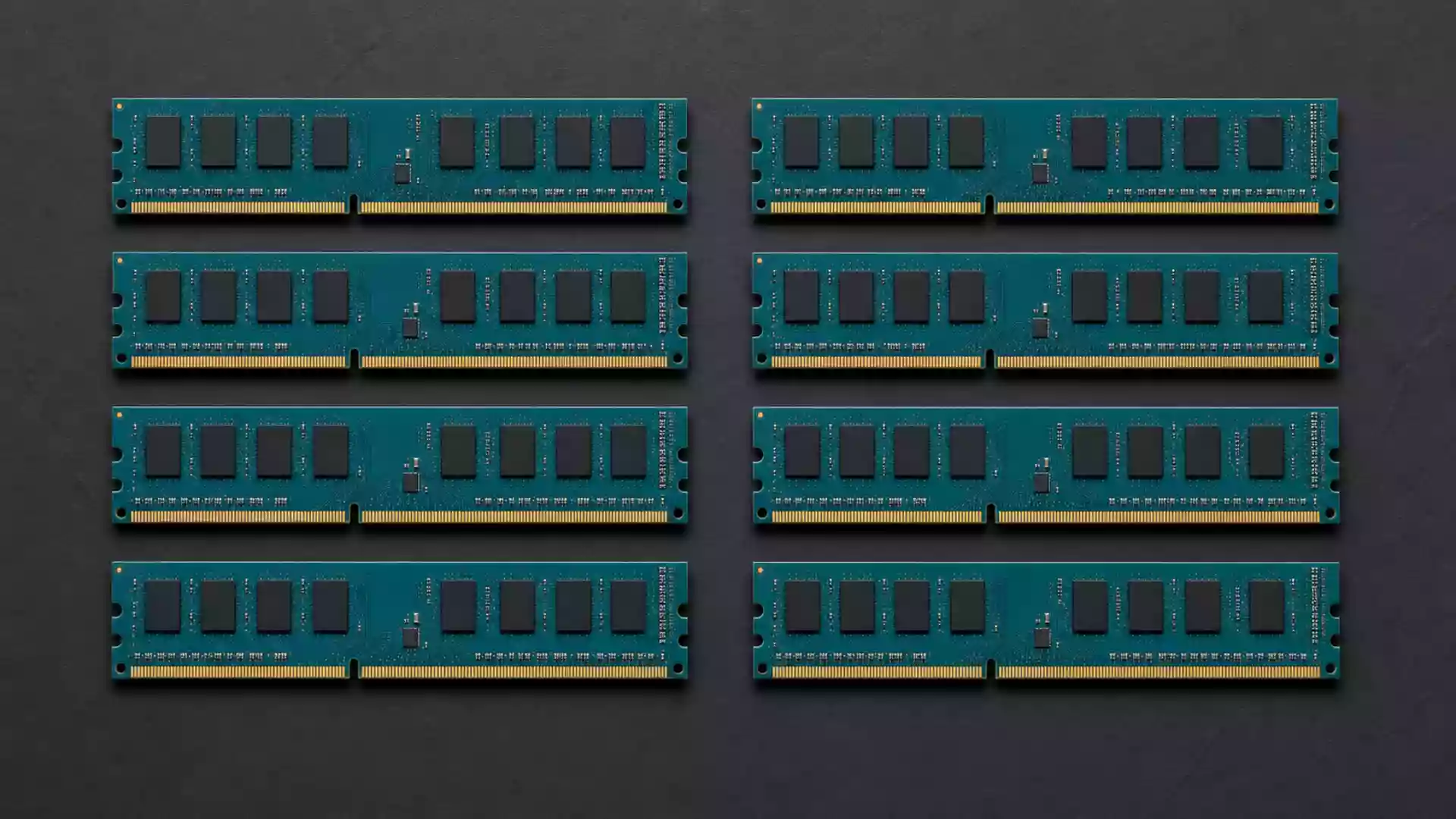
Micron employs roughly 15,000 people in Taiwan, where it produces DRAM and HBM for AI servers, among other products. The conflict therefore reaches beyond HR policy: it touches sites turning out memory products central to Micron's business. That said, no production disruptions have been publicly confirmed. The fair reading sits in the middle — Taichung offers relief, while Taoyuan remains an unresolved uncertainty.
Wall Street's Bull Case Has Two Versions
The bullish thesis found fresh backing this week from two directions. Morgan Stanley reaffirmed its positive rating and a $1,200 price target, noting that Micron's latest quarterly results landed largely in line with expectations, with sequential improvement slowing somewhat. Cantor Fitzgerald's C.J. Muse, meanwhile, reiterated an "Overweight" rating and a $2,000 target, with media reports pointing to tight memory supply, higher-priced contracts and Micron's planned share buyback as support.
The arguments are not created equal. Higher contract prices hit the business directly; a planned buyback is first and foremost a capital measure, not evidence of durably stronger demand. The two should not be weighted the same.
Micron has extended its qualitative supply-demand forecast through 2028, projecting tighter memory market conditions in 2027 and 2028 than in 2026 — a case Morgan Stanley sees as grounds for a longer-lasting upswing. The scarcity narrative got an additional push on Monday when Dell chief Michael Dell warned that the memory shortage could worsen in 2027, while analyst commentary flagged stronger memory demand and rising NAND prices. A warning, though, is still a forecast: an expected supply gap does not automatically become a reliable earnings engine.
Securing the Inputs Behind the Price Story
Micron also announced a strategic financing arrangement for Indium Corporation, aimed at expanding processing of critical minerals and manufacturing in Rome, New York, alongside a long-term supply contract giving Micron access to the materials. The move fits into Micron's previously announced plan to invest up to $3 billion in its U.S. semiconductor supply chain — an operational complement to the pricing thesis rather than proof of it, and certainly not a completed capacity buildout.
The Headwind Hasn't Gone Away
Not every signal has been friendly. On Friday, AP reported a broad selloff in technology stocks that weighed on Micron, with concerns about the durability of AI investment and rising bond yields among the cited drags. That objection deserves as much attention as the scarcity arguments: a friendlier memory backdrop does not erase doubts about how sustainable investment demand will prove over the long haul. The two views can coexist — supply can be tight while investors question the staying power of demand.
All told, the positive case holds water without being unassailable. Pricing trends and supply security favor Micron, but a lofty price target is no substitute for confirmation from the business itself. The stronger argument is not boundless AI optimism — it is a tight supply picture whose economic payoff still has to prove itself, against a Taiwan labor backdrop where one fire is out and another still smolders.
Ad
Micron Technology Stock: New Analysis - 21 October
Fresh Micron Technology information released. What's the impact for investors? Our latest independent report examines recent figures and market trends.