Mercedes-Benz Faces Year-End Deadline That Will Decide Where Its Next Cars Are Built
Published on 11/13/2026 at 20:11 | Editorial boerse-global.de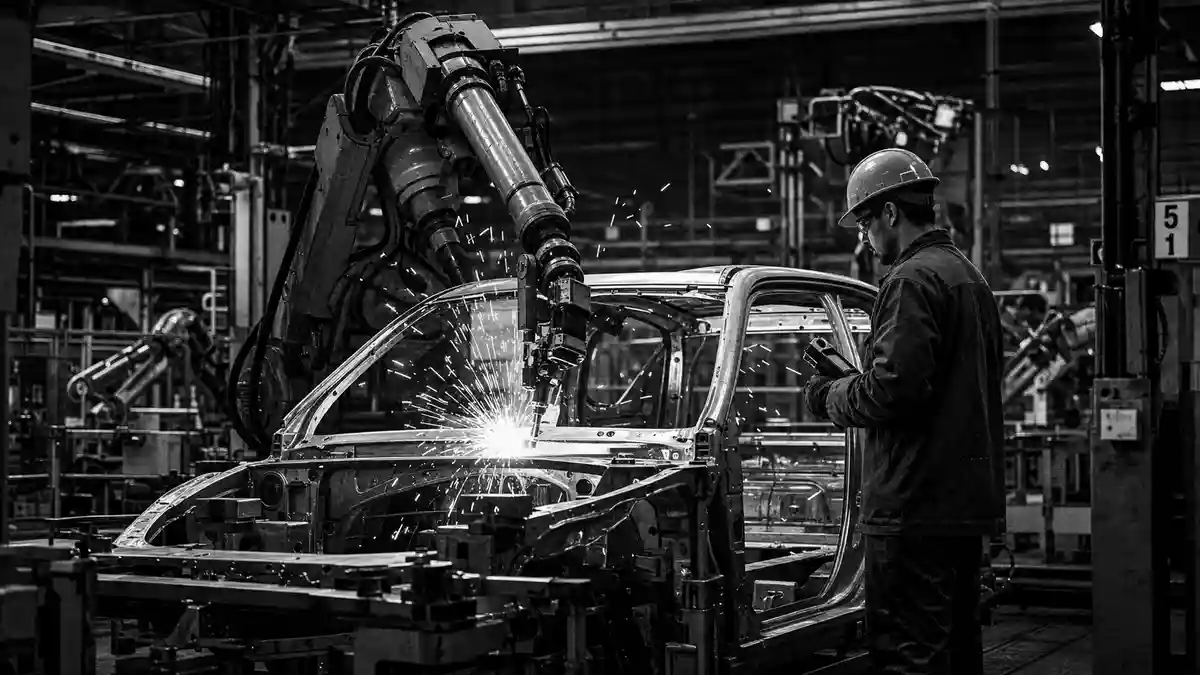
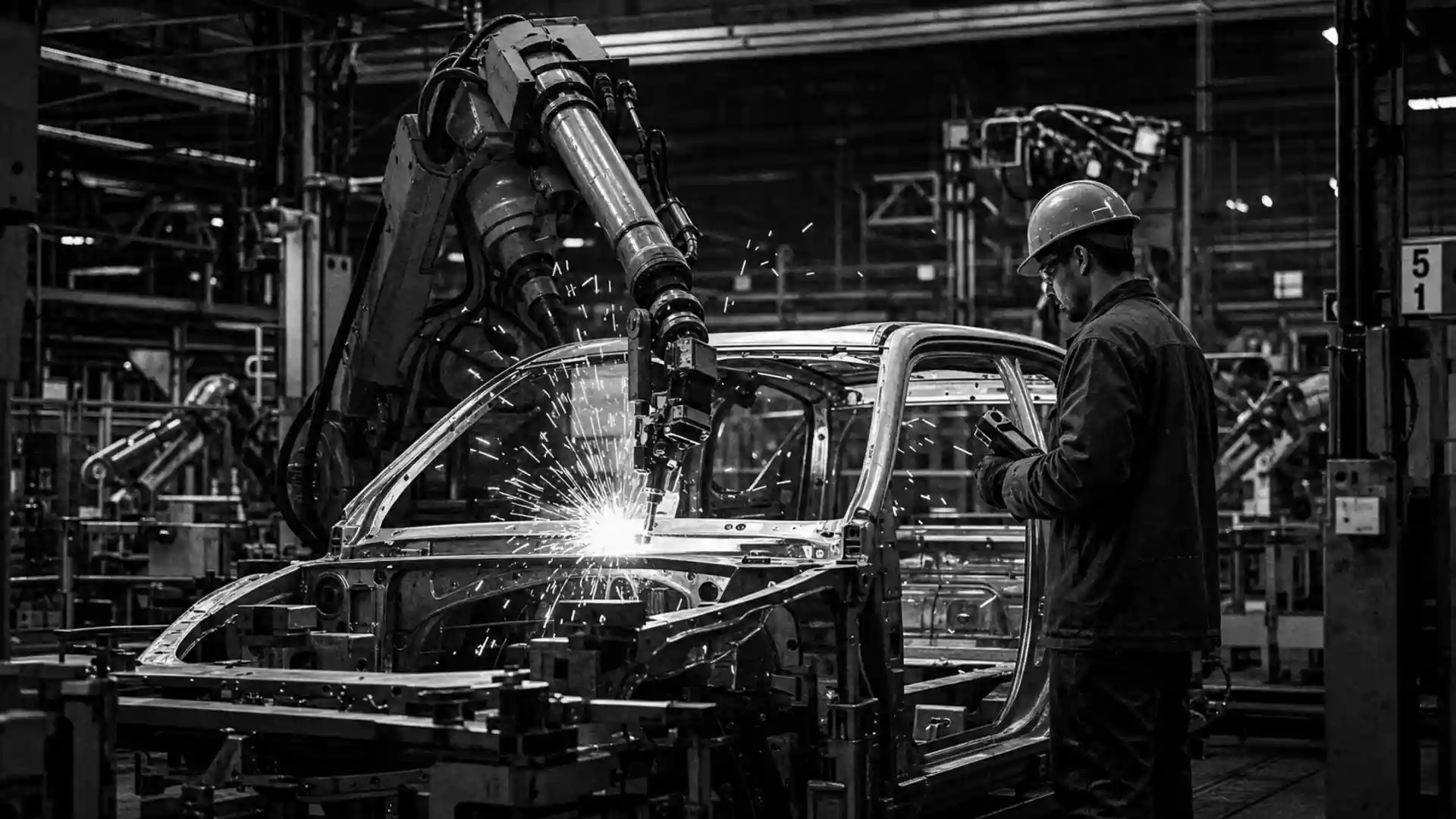
Mercedes-Benz has set itself a hard deadline: by the end of the year it intends to lock in the investment decisions that will determine which plants build its next generation of models, due to reach the market in the early 2030s. The Handelsblatt report puts a firm timetable on a labour dispute that has been running since late June without any decisive breakthrough.
For shareholders, the stakes are straightforward. Either management and the works council agree on a package that brings German production costs closer to competitive levels, or future model allocation drifts abroad — and with it the long-term future of the company's domestic manufacturing base.
A freeze, and a clock that keeps ticking
The backdrop is the group's announcement yesterday that it is halting further investment in Germany. Projects already under way are exempt, including the new paint shop in Sindelfingen, which continues on schedule. That freeze sharpens the pressure on talks that have so far produced little common ground.
Management wants longer working hours at unchanged pay. It is also reviewing special payments, holiday and Christmas bonuses, and profit-sharing arrangements. Labour representatives have offered only temporary additional hours. Mercedes is targeting annual savings of around EUR 800 million, according to Handelsblatt.
Chief executive Ola Källenius framed the push in broader terms, pointing to energy, logistics, structures, processes and labour costs as the levers that determine competitiveness. His stated goal, cited by taz, is to bring German labour costs down by 20% to US levels. Longer hours could contribute — but only if they genuinely reduce cost per unit produced.
Should investors sell immediately? Or is it worth buying Mercedes-Benz?
The company says a production hour in Germany costs up to five times as much as at its Eastern European sites. It has not disclosed how that figure is calculated, which is why investors are likely to judge any deal on its specific terms rather than on the comparison itself: how much relief does Mercedes actually secure, and what production commitments does it give in return?
Thuringia hints at how a deal might be shaped
There is room for a constructive outcome. Works council chief Ergun Lümali has stressed that employees will engage in a solution-oriented way, and both IG Metall and the works council are demanding binding commitments on products and investment. That points to an obvious trade: cost concessions in exchange for firm guarantees on future plant utilisation.
The Thuringia sites illustrate why a one-size-fits-all settlement may not work. According to MDR, weekly working hours there are already longer than at the south-west German home plants, and the union points to lower special payments. Site-specific arrangements that reflect actual cost structures could prove more durable than a blanket deal.
The downside scenario is already on the table
If costs cannot be brought down, Mercedes is examining the closure of one vehicle plant and one plant making powertrain components. No specific sites have been named. Without an agreement, successor products would be built exclusively abroad — a scenario that would make the reorganisation of production the centrepiece of the savings strategy.
The operating backdrop makes compromise harder. Production chief Michael Schiebe cites tariffs, pricing pressure, weaker demand and intense competition, particularly from China. Those headwinds cut both ways: cost reductions can lose their effect if sales keep sliding, while far-reaching plant commitments could crimp financial flexibility if the agreed savings fall short.
Margins lay bare the urgency
The numbers explain the pressure. Mercedes Cars posted an adjusted return on sales of 2.5% in the third quarter of 2026. In China, deliveries fell 31% to 86,800 vehicles over the same period.
Mercedes-Benz at a turning point? This analysis reveals what investors need to know now.
Against that, the cost of inaction is easy to see. A durable agreement would help — provided the measures hold and genuinely make production more economical. But the benefit to investors also depends on the sales side, where weaker demand and additional pricing pressure could erode the relief.
Job security, voluntary exits and an unsettled map
For Germany, employment protection runs until 2034, with compulsory redundancies ruled out. At the same time, Mercedes plans to reopen its severance programme for indirect areas at the beginning of December. Possible plant closures remain under review, with no locations disclosed.
That leaves several restructuring tracks running in parallel: voluntary headcount reduction, changed working conditions and a redistribution of future products. The company can improve its cost base this way — if workforce and management reach dependable agreements.
The decisive test comes with the year-end decisions. What matters is their content and how binding they are: which plants Mercedes will modernise, which products those plants will be awarded, and what cost commitments stand against them. That is the yardstick by which investors will judge whether the savings drive becomes a credible foundation for the next model generation — or whether the successor cars are built somewhere else entirely.
Ad
Mercedes-Benz Stock: New Analysis - 13 November
Fresh Mercedes-Benz information released. What's the impact for investors? Our latest independent report examines recent figures and market trends.