
McDonald's Faces a Two-Front Test: Wall Street Trims Targets as AI Rollout Meets a Traffic Warning
Published on 09/28/2026 at 02:50 | Editorial boerse-global.de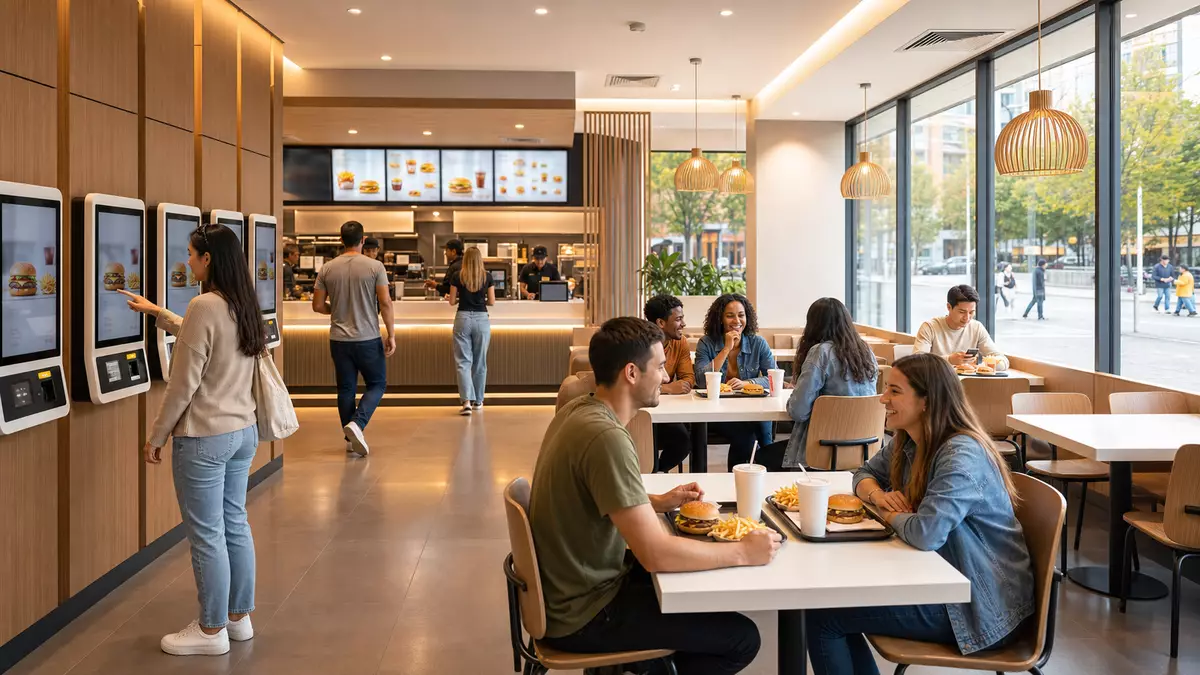
McDonald's is discovering that a sweeping modernization push cuts both ways. Within the space of a single week, the fast-food giant unveiled an artificial intelligence platform for its drive-thrus, committed billions to shore up its franchise network, and conceded that customer traffic across key markets is likely to stall — a combination that has prompted analysts to redraw their price targets even as most keep a bullish rating on the stock.
The centerpiece of the technology drive is ArchIQ, a platform reported on Friday that will bring voice-controlled ordering to drive-thru lanes, monitor inventory levels and sharpen order accuracy. It slots into the company's long-range NEXT strategy, which aims to standardize store-level operations and address the day-to-day friction that management has acknowledged has produced uneven execution across its restaurants.
A $8.5 Billion Bet on the Franchise Network
Running alongside the tech offensive is a substantial financial commitment to operators. McDonald's has rolled out a partnership support program worth roughly $8.5 billion, with about $5 billion of that sum slated to reach franchisees in the coming years and the full amount extending through 2036. The package relies on rent relief and direct financial assistance, with approximately $5 billion earmarked to flow by 2030.
Under the NEXT banner, the chain is chasing market-share gains of 1.5 percentage points apiece in chicken and beverages by 2030, while defending its leadership position in beef. Management also wants to wring 250 basis points of efficiency out of restaurant-level operations and is targeting an operating margin in the low-to-mid 50% range by the end of the decade.
Analysts Pare Back Their Models
The scale of the spending — set against a muted demand outlook — has cooled enthusiasm on the sell side. BTIG cut its price target to $295 from $350 on Friday, though it left its "Buy" rating untouched. UBS had already trimmed its own target from $340 to $320 a day earlier, also maintaining a "Buy" stance.
Should investors sell immediately? Or is it worth buying McDonald's?
Thursday brought a broader round of downward revisions. RBC Capital Markets lowered its target to $285 from $290, pointing to the risk that U.S. same-store sales could stay soft until lower-income diners return in force, and noting that the company's planned unit growth lands below market expectations. JPMorgan moved its target to $260 from $280. Both firms held their existing ratings.
The trigger for the recalibration was Wednesday's warning that foot traffic in core markets is likely to flatline amid persistent inflation, paired with the announcement of the franchisee support package.
Dividend Support, but Shares Stay Under Pressure
One bright spot came from the payout. On September 17, McDonald's raised its quarterly dividend by 4% to $1.93 per share, marking a 50th consecutive year of increasing shareholder distributions.
That has done little to lift sentiment. The stock finished Friday's German session at €207.60, down 21% since the start of the year and sitting just 0.9% above its 52-week low of €205.80.
Operational setbacks have added to the gloom. Reuters reported Friday that a food storage facility used by McDonald's in Ukraine was struck during Russian attacks.
Loyalty and Monopoly as Traffic Levers
To pull diners back through the doors, the company is leaning on a tiered loyalty program designed to separate frequent customers from occasional visitors and deepen engagement in a tough consumer climate. In the U.S., a fresh edition of the Monopoly promotion launches October 6, aimed at generating additional traffic.
Ad
McDonald's Stock: New Analysis - 28 September
Fresh McDonald's information released. What's the impact for investors? Our latest independent report examines recent figures and market trends.


