Maharashtra Building Collapse Triggers Mass Evacuations and Safety Crackdown
Published on 08/02/2026 at 22:48 | Redaktion boerse-global.de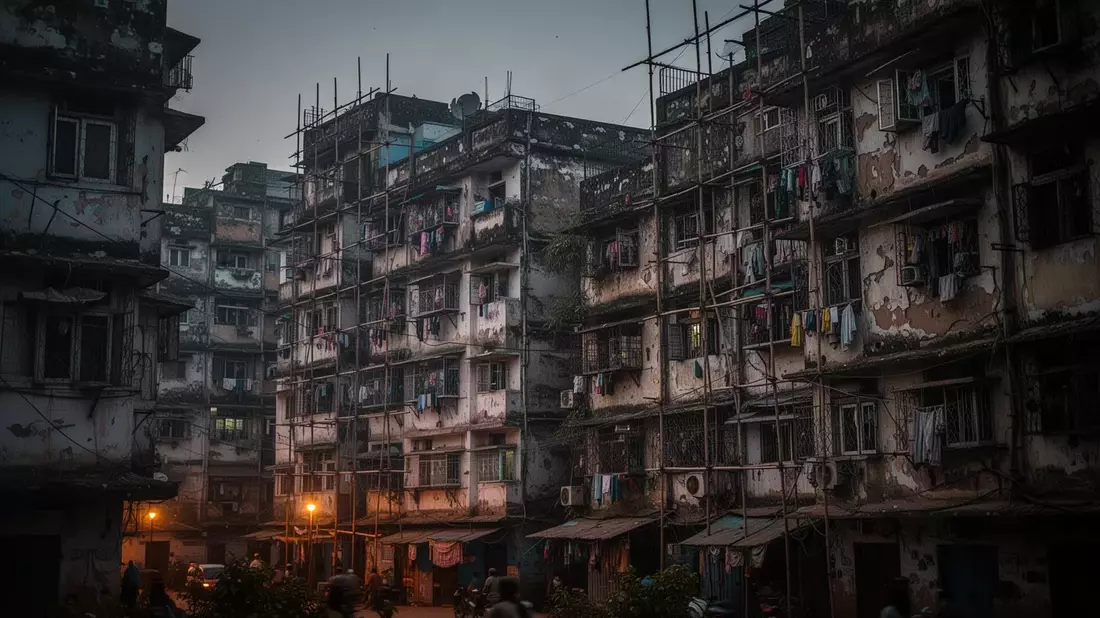
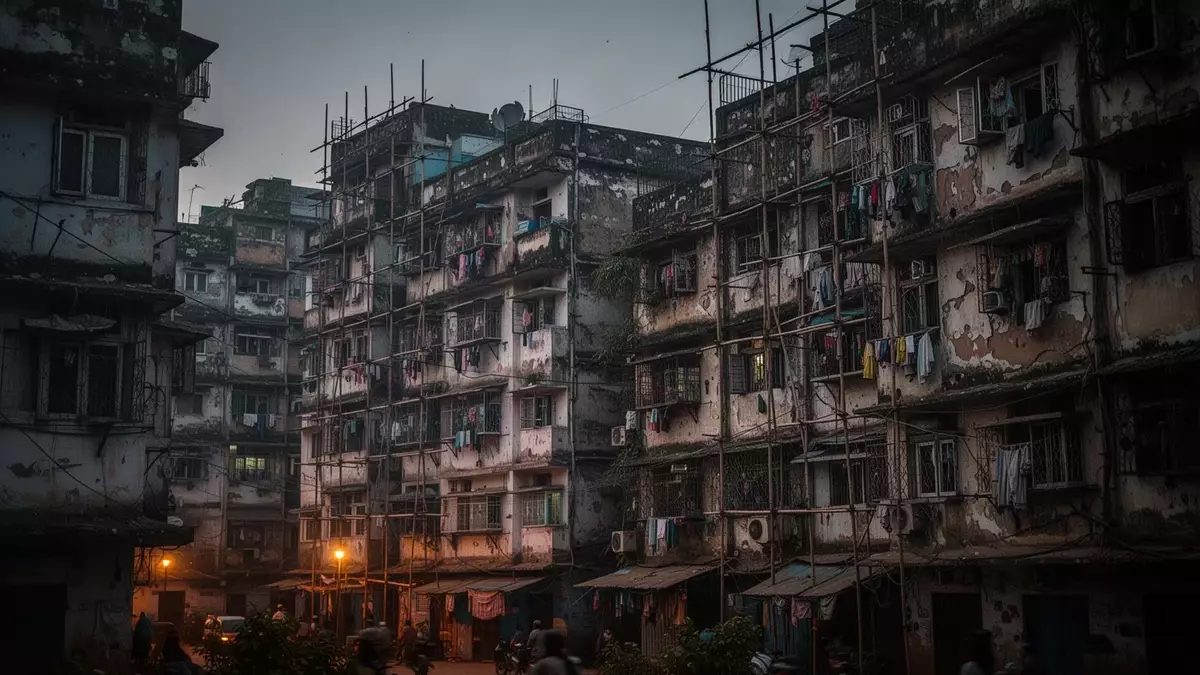
Indian authorities have ordered the forced evacuation of thousands of residents across Maharashtra after a residential building collapse in Bhiwandi killed ten people and injured three others on July 31, 2026. The disaster has pushed municipal corporations throughout the state to fast-track safety audits and cut utilities to structures deemed structurally unsafe — a move that carries clear lessons for UK employers and property managers reviewing their own building-safety obligations.
Emergency Evacuations Underway in Bhiwandi
Following the collapse of the 13-year-old Kohinoor Apartment, the Bhiwandi-Nizampur City Municipal Corporation (BNCMC) has ordered the immediate evacuation of 1,074 unsafe structures. Mayor Narayan Choudhary directed officials to classify 238 of these as extremely dangerous, with a further 836 requiring significant repairs without delay.
To enforce compliance, authorities have begun disconnecting water and electricity supplies to affected properties. The municipality is providing temporary shelter for displaced families for five to six days.
The tragedy in Bhiwandi is a stark reminder that structural safety depends on proper, documented risk assessments — not just for buildings, but for every workplace. Yet many UK employers still lack the right templates to identify and record hazards before they become life-threatening. A free toolkit with 41 ready-to-use checklists and training materials helps you document risks systematically and stay compliant. Download the free Risk Assessment Toolkit
The crackdown has extended to neighbouring districts. The Kalyan-Dombivli Municipal Corporation (KDMC) identified 661 unsafe buildings, of which 204 are classified as extremely dangerous — 143 of them still occupied despite the risks. Officials noted that 457 buildings are considered repairable under specific precautions. Property owners who fail to submit required structural audit reports face penalties of ?25,000.
In Navi Mumbai, the municipal corporation (NMMC) published a list of 34 highly dangerous buildings, with 15 located in the Turbe ward. Commissioner Kailas Shinde warned that the local government would not be held liable for damages or loss of life if residents refuse to vacate these premises.
Criminal Proceedings Following Fatal Collapse
Police believe the Kohinoor Apartment was constructed without proper approvals and had been declared unsafe on multiple occasions before the incident. Unauthorised repairs to load-bearing columns are suspected to have triggered the structure's failure.
A 49-year-old caretaker, Amritlal Nishad, has been arrested on suspicion of collecting funds from residents to commission the unauthorised repairs after the building's owner fled the country. A local court has remanded Nishad to custody until August 5. Police are also seeking the owner, Bilal Ahmed Abubakar Khan, believed to be in Dubai, and are investigating whether a deceased mason acted as the contractor for the illegal maintenance work.
Maharashtra Chief Minister Devendra Fadnavis has ordered the mandatory evacuation of all buildings classified as extremely dangerous across the state. Thane Commissioner Saurabh Rao has directed regional officials to re-inspect dilapidated structures and, where necessary, use police assistance for removals.
Calls for Stronger Building Regulations
The incident has intensified pressure for updated building rules beyond India. Earlier in 2026, the City Buildings and Architecture Office in Baguio, Philippines, reported a 22% increase in building code violation complaints compared with the same period in 2025.
When building inspections uncover serious violations, the consequences can be devastating — as this collapse shows. UK employers face their own legal duties under the Health & Safety at Work Act 1974, and failing to meet them can lead to fines, prosecution, or worse. A free toolkit with 9 practical tools — including risk assessments, checklists and a director's liability guide — helps you close compliance gaps before an inspector finds them. Get the free Health & Safety at Work Act 1974 Toolkit
Philippine legislators, including Senator Bong Go and Representatives Luigi and Migz Villafuerte, are pushing for a New Philippine Building Act. Proponents argue that current national standards, last amended in 1977, are inadequate for modern disaster resilience and seismic safety. The proposed legislation, which progressed in the House in late 2025, aims to strengthen rules covering the entire building life cycle, from design and construction through to maintenance and occupancy.
International safety standards underline the importance of occupancy classification. According to NFPA guidelines, correctly classifying buildings based on actual use — including occupant load and the presence of hazardous materials — is essential for the effective design of fire protection and structural safety systems.
Disclaimer regarding our articles: No investment advice, no buy or sell recommendation. Information on prices, companies, and markets is provided without guarantee; changes are possible at any time. Stock market transactions can lead to substantial losses. Our articles are created and reviewed in whole or in part automatically with the support of AI.