Jury Deadlock in Lindsay Clancy Murder Trial as Judge Urges Verdict
Published on 09/02/2026 at 23:27 | Editorial boerse-global.de
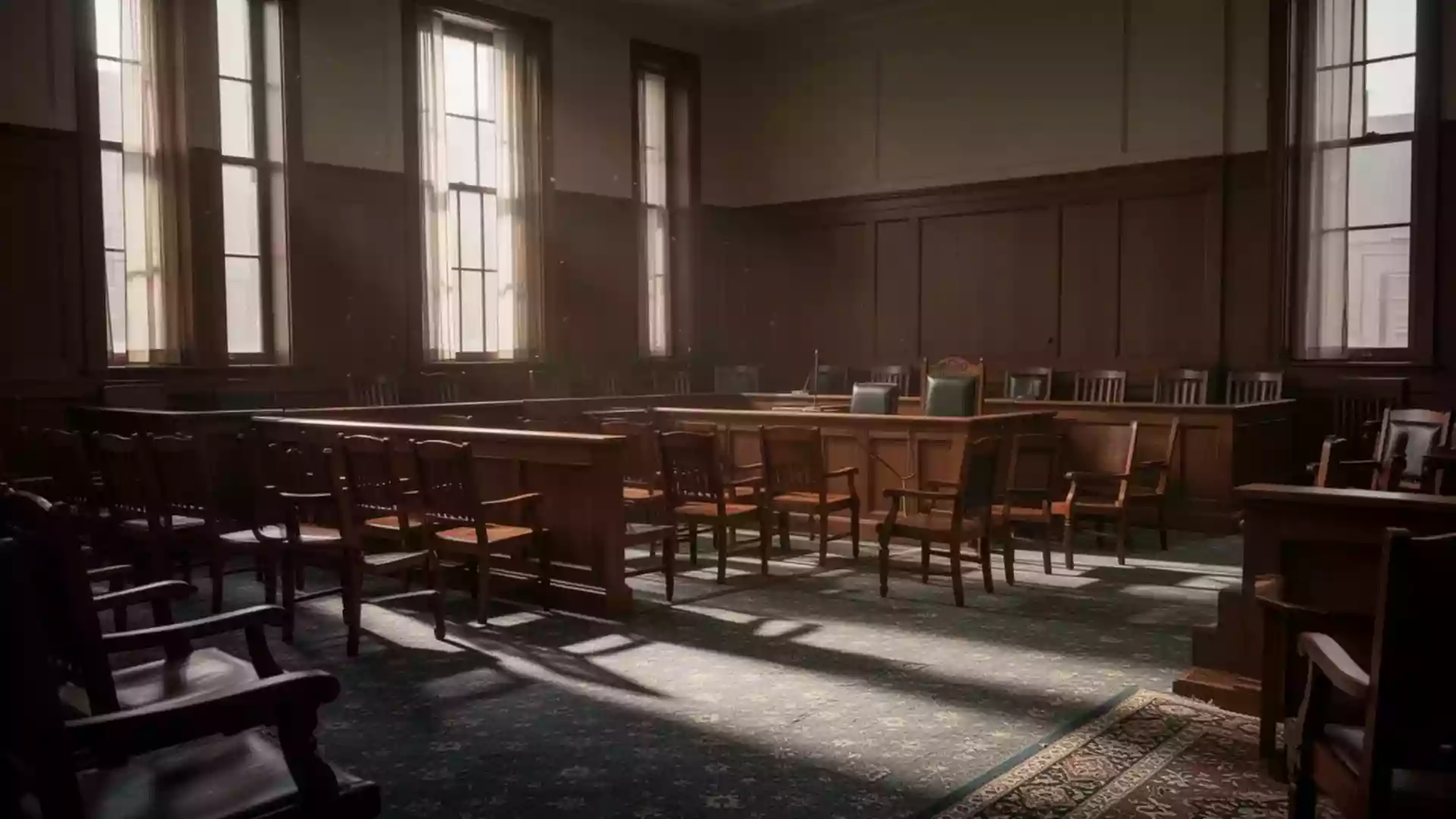
Jurors in the murder trial of Lindsay Clancy reported a second deadlock on September 2, 2026, after five days of deliberations, prompting Judge William Sullivan to issue a rare legal instruction designed to push the panel toward a consensus. The development signals that the case — which has drawn intense public attention — remains finely balanced as the jury weighs evidence centred on the defendant's mental state.
Second Deadlock Reported
The panel of nine women and three men has spent nearly 30 hours deliberating since receiving the case. This latest notification follows a similar report earlier in the week, raising questions about whether a verdict can be reached. In response, Judge Sullivan delivered a "Tuey-Rodriguez" charge, a specific instruction used in Massachusetts courts to encourage deadlocked jurors to continue their efforts and reconsider their positions.
Clancy, 36, is charged in connection with the deaths of her three children in 2023. The trial has centred on her mental health at the time of the incident. The defence argued that she was suffering from postpartum psychosis, while prosecutors maintained that she was aware of her actions.
Witness Intimidation Incident
The fifth day of deliberations also saw the court address a separate disruption. Jurors were questioned individually after Dawn Light, 56, was arrested for allegedly filming them. Light has been charged with witness intimidation and has entered a plea of not guilty. Following the questioning, the jury was permitted to resume its work.
What Happens Next
Legal observers note that a second deadlock does not automatically mean the case will end in a hung jury. Retired Massachusetts Judge Jack Lu observed that such developments are not necessarily a signal that the panel will remain unable to reach a verdict.
However, if the jury reports a deadlock for a third time, the judge may be required to declare a mistrial. In that scenario, prosecutors could seek a retrial, negotiate a plea agreement, or dismiss the charges. After receiving the Tuey-Rodriguez instruction, the jurors were dismissed for the day and are expected to continue deliberations.