Intel's Supply-Side Squeeze: Inside the Factory Accident and Capacity Crunch Curbing Xeon Revenue
Published on 10/30/2026 at 16:31 | Editorial boerse-global.de
Intel's data-center division is growing faster than the company can ship product, and a deadly accident at its Israeli fab has made that mismatch considerably more expensive. On yesterday's earnings call, management laid out how production shortfalls — not weak demand — are capping the server business, a dynamic that stands in sharp contrast to the company's struggling PC unit.
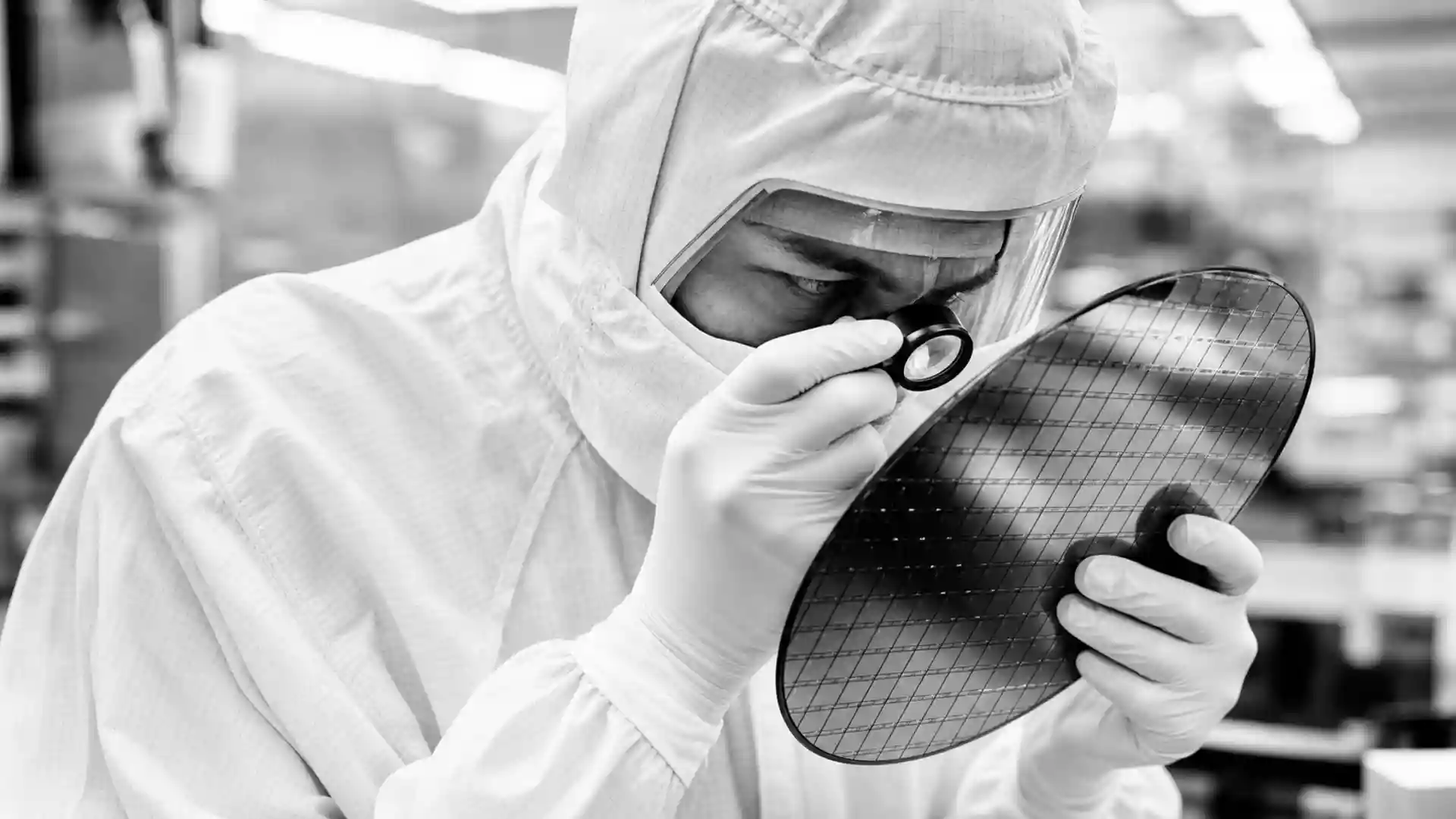
The October explosion at Fab 28 in Kiryat Gat killed two workers and halted output for roughly two weeks. Nearly all of the resulting revenue hit falls on 10-nm server products, according to Intel. The company pegs the fourth-quarter 2026 impact at about $300 million in sales, plus an expected 200-basis-point drag on gross margin. A similar revenue loss is anticipated in the first quarter of 2027, though Intel describes that estimate as preliminary. Reuters reports the combined two-quarter toll at around $600 million.
That blow lands on a supply chain already stretched thin. Intel cannot fully satisfy demand for Xeon processors, so additional orders do not translate neatly into additional revenue. CEO Lip-Bu Tan, speaking yesterday, pointed to more than the factory outage: yield and cycle-time problems with the Intel 3 process, plus industry-wide shortages of advanced organic substrates used in EMIB packaging, are also constraining output, CRN reported. Forbes likewise flagged difficulties supplying Xeon server chips.
A Tale of Two Segments
The demand side of the ledger is not in question. Intel's Data Center and AI unit posted $7.3 billion in third-quarter 2026 revenue, up 78% year over year — the segment's strongest growth in 15 years, according to Tan. Demand continues to outstrip supply, giving the company a concrete data point for the growth potential tied to AI infrastructure buildouts.
Should investors sell immediately? Or is it worth buying Intel?
PCs are another story. Client revenue fell 5% to $8.1 billion, and Intel expects the softness to persist at least through the first half of 2027, pressured by weaker orders, inventory corrections and higher memory prices. The two divisions therefore demand different responses: Intel must manage a demand downturn in PCs while scrambling to serve customers it cannot currently supply on the server side. Strength in one does not fix the other.
The disappointing quarterly guidance published yesterday frames the financial picture, tying weaker PC demand to the fab outage. Booming data-center appetite alone will not offset those effects in the near term. For the fourth quarter of 2026, Intel projects revenue of $15–16 billion, against an average analyst estimate of roughly $17 billion cited by Bloomberg.
Capital Spending Cuts Both Ways
Relief will take time and money. Intel intends to raise investment in server-CPU capacity in the second half of 2027, with capital expenditures for 2026 planned at around $20 billion and a significant increase expected in 2027, per Bloomberg. The company is also shifting capacity in Hillsboro from the 18A process to Intel 3, OregonLive reported yesterday, and is weighing an acceleration of its Ohio fab construction — a review, not yet a decision.
Near-term, the buildout adds to the funding burden: Bloomberg reports Intel does not expect positive free cash flow next year. Robust top-line growth in data centers, in other words, does not guarantee cash left over after capital spending.
Intel at a turning point? This analysis reveals what investors need to know now.
BofA sees demand for data-center processors powering autonomous AI applications, but notes that substrate constraints are limiting the business — meaning the Israeli accident is far from the only bottleneck. Intel's longer-range forecasts remain ambitious, with industry-wide server-CPU shipments projected to grow more than 30% in both 2026 and 2027.
What separates the bull case from the bear case, then, is execution on supply. The server opportunity is real and already visible in the numbers. Whether Intel converts it depends on better yields, available packaging materials and the recovery of the Kiryat Gat plant — and on whether higher spending ultimately yields more sellable processors and, eventually, free cash.
Ad
Intel Stock: New Analysis - 30 October
Fresh Intel information released. What's the impact for investors? Our latest independent report examines recent figures and market trends.