Infineon's Share Price Tells a Different Story Than Its Order Books
Published on 09/03/2026 at 13:31 | Editorial boerse-global.de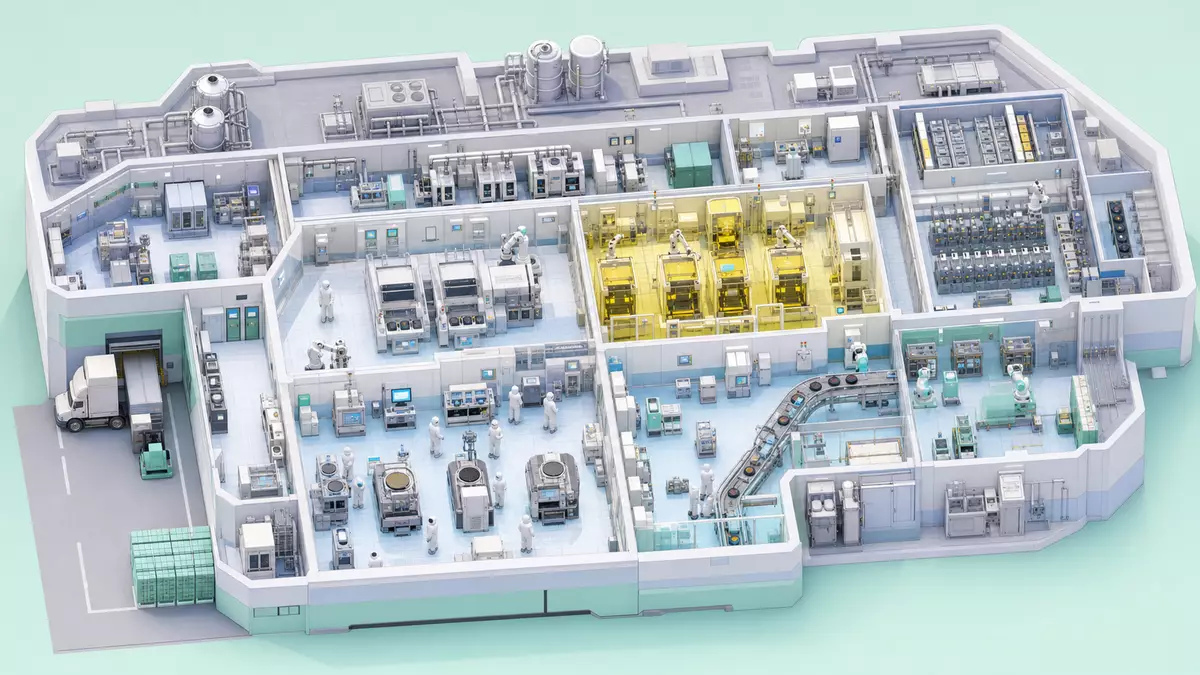
The disconnect between Infineon's operational trajectory and its market valuation has rarely been starker. While the Munich-based chipmaker continues to rack up production milestones and strategic wins, its shares remain mired in a downturn that has now lasted several months — and the selling pressure is coming from all corners, including some of Europe's most patient institutional investors.
Norway's sovereign wealth fund, Norges Bank, has trimmed its voting-rights stake in the company from 3.05% to 3.00%, a disclosure filed on 21 August confirmed. The move, while modest in scale, pushes the fund below the 3% threshold that triggers mandatory reporting obligations under German securities law. It hardly constitutes an exit — Norges Bank remains a significant shareholder — but it does mean future adjustments below that level will no longer be automatically disclosed to the market.
A Sector-Wide Swoon, Not a Company-Specific Problem
The timing of Norges Bank's reduction aligns uncomfortably with a broader sell-off that has gripped semiconductor stocks globally. Weakness at Nvidia has rippled through the sector, with profit-taking in AI-related names dragging down even those companies whose fundamentals remain intact. Infineon's shares have shed roughly 10.8% since the company raised its annual guidance in early August — a counterintuitive response that suggests investors are pricing sector-wide dynamics rather than company-specific developments.
The stock most recently changed hands at €55.36, down 1.5% on the day, and sits approximately 38% below its 52-week high of €89.67, reached in early June. Over the past month alone, the shares have lost around 14%, and they now trade roughly 13% below their 50-day moving average — technical evidence of a bruised intermediate-term trend. Yet zooming out tells a different story: over twelve months, the stock remains up about 75%.
Dresden Comes Online Ahead of Schedule
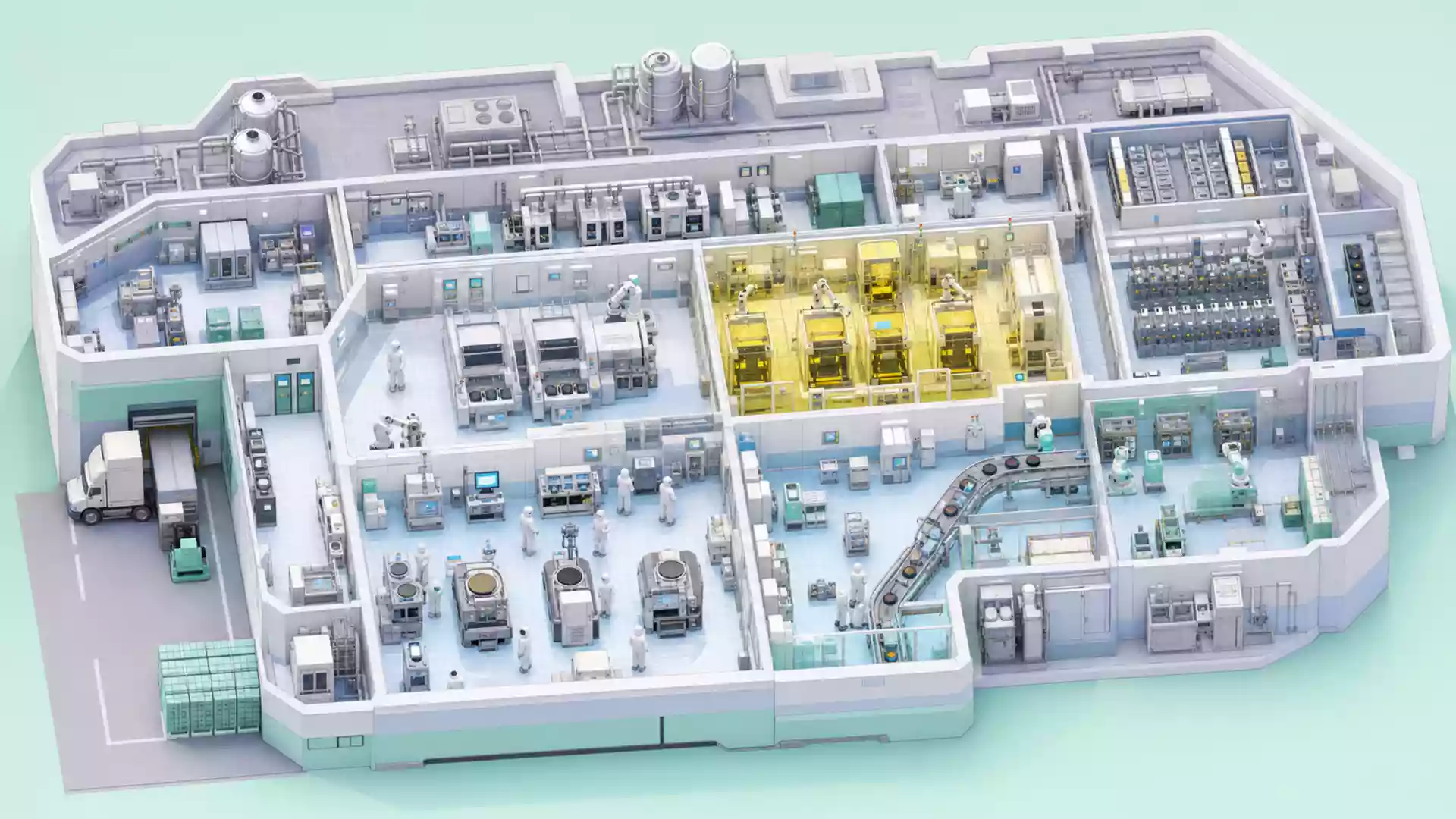
Against this choppy market backdrop, Infineon's factory floor is humming. The company's new Smart Power Fab in Dresden — a €5 billion investment, the largest single capital project in its corporate history — began operations several months ahead of schedule. The 300-millimeter wafer facility is expected to create up to 1,000 highly skilled jobs at full capacity and could generate additional annual revenues of as much as €5 billion.
Should investors sell immediately? Or is it worth buying Infineon?
The accelerated ramp-up is no accident. During the company's earnings call for its third fiscal quarter, management indicated that demand for its AI power solutions is outstripping available supply. Infineon has raised its capital expenditure forecast for the current fiscal year by €500 million to €2.7 billion, with the Dresden expansion absorbing much of that increase. The company is targeting more than €1.6 billion in dedicated revenue from AI power products this fiscal year, while its broader AI data-center business is projected to climb from roughly €1.5–1.6 billion this year to approximately €2.5 billion in the next.
Strategic Moves on Multiple Fronts
The capacity build-out is being complemented by targeted acquisitions. Infineon recently agreed to purchase Bangalore-based C2i Semiconductors, a specialist in software-defined multiphase controllers and smart power stages for AI data centers. The technology is designed to extend Infineon's existing power semiconductor portfolio, enabling intelligent power architectures that span from the grid all the way to the processor core. The transaction is expected to close in the third calendar quarter of 2026 and will bolster the company's development capabilities in India.
Management has also been active on the personnel front. The supervisory board has appointed Alexander Gorski to oversee manufacturing, procurement, supply chain, and quality management — a role that builds on his previous leadership of the company's frontend operations.
A limited share buyback program, initiated in August to satisfy employee participation obligations, was completed within weeks — a small but telling sign that management sees no reason to hoard cash even as the share price languishes.
Solid Numbers, Skeptical Market
The operational scorecard, on paper, looks encouraging. Revenue in the third fiscal quarter rose 9% year-on-year to €4.172 billion, propelled by AI, automotive demand, and recent acquisitions. Management expects around €4.7 billion in fourth-quarter revenue, which would bring full-year sales to roughly €16.3 billion — an increase of about 11% versus the prior year.
Those figures, however, have done little to arrest the share price slide. The pattern suggests a market that is looking through near-term results and focusing instead on the sustainability of AI-driven demand, the cyclicality of semiconductor spending, and the risk that today's capacity investments could become tomorrow's overcapacity.
For now, Infineon finds itself in an uncomfortable position: delivering the kind of growth that would normally command a premium, while watching its stock get swept up in a sector-wide de-rating. The next earnings release, scheduled for 10 November, will offer investors a fresh opportunity to weigh whether the operational momentum finally translates into share price recovery — or whether the macro headwinds continue to drown out the good news from Dresden and beyond.
Ad
Infineon Stock: New Analysis - 3 September
Fresh Infineon information released. What's the impact for investors? Our latest independent report examines recent figures and market trends.