
H-Power Secures CE Certification for LC30 Generator, Unlocking European Sales Ahead of Commercial Rollout
Published on 08/26/2026 at 16:24 | Editorial boerse-global.de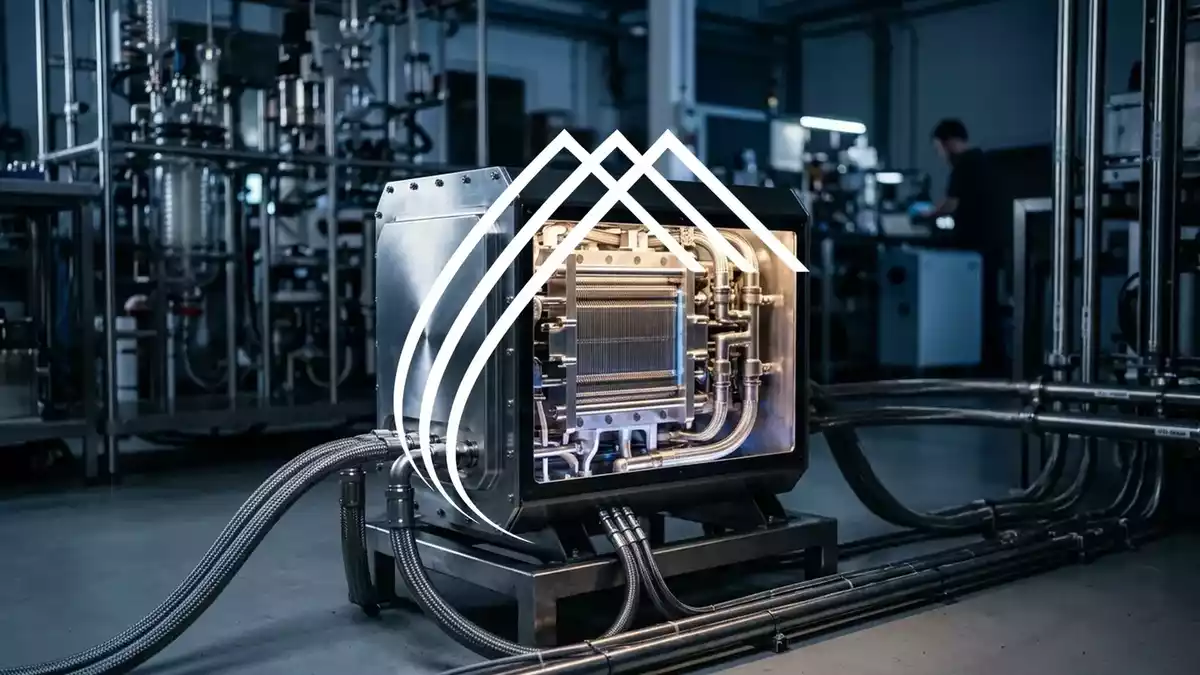
The regulatory gate has finally swung open for H-Power's flagship product. The hydrogen fuel cell developer, which ditched its AFC Energy moniker last year, has received the Attestation of Conformity from TÜV SÜD for its LC30 generator — the final hurdle for CE marking that permits unrestricted sales across Europe and the UK.
The certification lands with commercial intent. It directly enables the fulfilment of a 15-unit follow-on order from joint venture partner Speedy Hire, with the machines destined for Speedy Hydrogen Solutions. More significantly, it signals the company's transition from development phase to sales mode for its core product line.
As H-Power moves from development into commercial operations, the same transition is happening across UK industry — where new technologies and processes bring new workplace risks. Keeping a compliant risk assessment current doesn't have to mean hours of paperwork. A free toolkit with 41 ready-to-use templates and checklists walks you through each step, covering fire safety, manual handling, first aid and lone working. Download the free Risk Assessment Toolkit
The market's reaction, however, has been measured at best. Shares ticked up 4.3 percent to €0.1296 on Wednesday, recovering from Tuesday's close of €0.1242. The stock remains 36 percent below its 52-week high of €0.2035, reached in May — a gap that suggests investors are still weighing operational milestones against a balance sheet that remains firmly in the red.
Losses Widen as Cash Burn Slows
The certification arrives barely a week after the company posted results for the fiscal year ended October 31, 2025, and the numbers make for sobering reading. The pre-tax loss swelled to £22.2 million from £17.4 million the prior year, a 27.6 percent deterioration driven largely by £12.4 million in non-cash balance sheet adjustments and the strategic shutdown of the unprofitable AR2 production line.
Revenue tells an even starker story. The company reported just £0.1 million in sales against £4.0 million the previous year — a 97.5 percent collapse that reflects the production halt and the transition period before the LC30 enters commercial service.
There is a counterweight to the red ink. Annual cash consumption has been trimmed to £15.4 million, and with £25.3 million in the bank at year-end — bolstered by an oversubscribed £27.5 million capital raise in July — management says liquidity extends to September 2027. The cash position had dipped to £20.4 million by the end of January.
A Tight Timeline Toward First Deliveries
The LC30's certification slots into an ambitious schedule. First commercial deliveries of the generators are slated to begin in September 2026, while the Dunsfold pilot site has been generating revenue from hydrogen sales since April. November brought the announcement of the first commissioning of the Hy-5 portable ammonia cracker alongside partner ICL.
The company has also been quietly advancing its ammonia-cracking technology on multiple fronts. A development agreement with Komatsu Ltd. and Industrial Power Alliance, valued at roughly $2 million subject to milestone achievements, aims to integrate the cracking technology into a Komatsu industrial diesel engine — a feasibility study for an ammonia-powered drive platform. A separate, unnamed S&P 500 partnership focused on decentralised ammonia-to-hydrogen crackers has completed its first phase, with commercial discussions ongoing.
Scaling up new industrial technology brings fresh safety obligations, and UK employers are legally required to document how they manage workplace hazards. Over 37,000 British businesses already use a free toolkit with risk assessments, checklists and toolbox talks covering key regulations like COSHH and PUWER — so you can protect your workforce and stay compliant without reinventing the wheel. Get the free Health & Safety Toolkit
On the manufacturing side, the partnership with Volex has driven production costs down by 85 percent compared with the previous model, which also comes in around 45 percent lighter. The company says it can now theoretically produce up to 6,000 units annually, addressing what management has described as a historical bottleneck in production capacity.
Regulatory Tailwinds and a Cautious Street
The UK Environment Agency has also adjusted the company's research and development permit, allowing the export and sale of low-emission hydrogen from the ammonia-cracking pilot plant several months earlier than originally planned.
An automated analyst service issued a neutral rating on the stock on Wednesday, pointing to the revenue collapse and ongoing capital consumption despite the regulatory milestone. The assessment underscores the persistent gap between operational progress and financial performance rather than signalling any fundamental revaluation.
H-Power ranks among the UK's three largest listed pure-play hydrogen companies by market capitalisation — alongside ITM Power and Ceres Power — with each valued above £100 million. At roughly €195.5 million, H-Power's market cap places it in that select company, though the coming months will test whether the technical achievements translate into sustainable revenue streams. The first LC30 deliveries, the Hy-5 commissioning, and the trajectory of the cash reserve will all factor into that verdict.


