Gold's Slide Puts Official-Sector Buying in the Shade as Rate Fears and AI Rout Call the Tune
Published on 11/21/2026 at 15:21 | Editorial boerse-global.de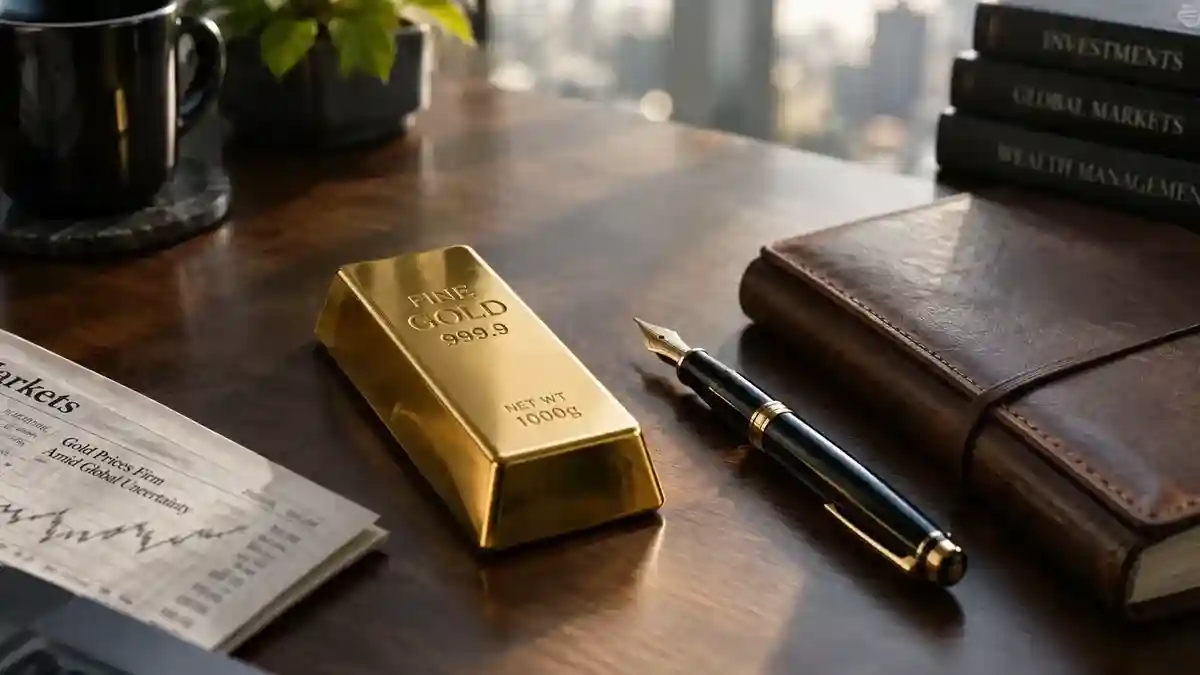
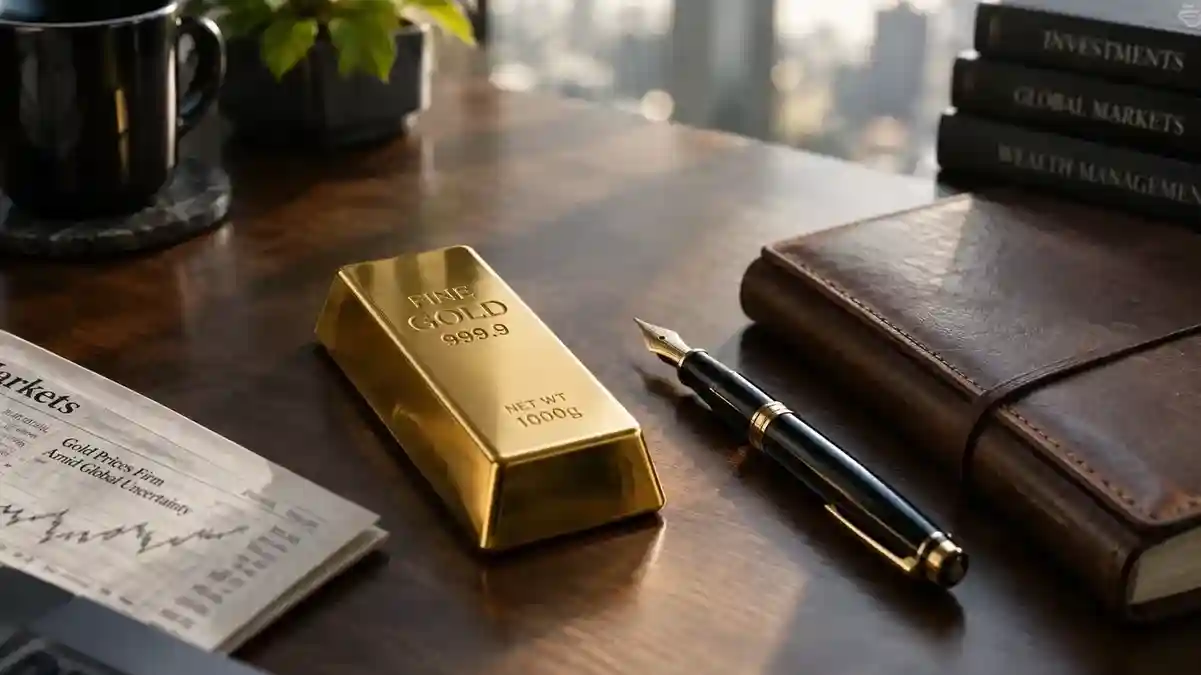
Gold closed at its weakest level since September 2025 on Friday, settling at $3,523.33 an ounce even as central banks and other official institutions kept accumulating bullion at a brisk clip. The spot price shed 3.1% on the day, landing squarely in the support band analysts have been watching.
The drop had two drivers. Expectations of further US rate hikes weighed on the metal, while Reuters reported that the selloff in AI-related equities triggered forced liquidation of gold positions. Persistent inflation worries added to the pressure. According to the Fed minutes released Wednesday, several US policymakers saw additional rate increases as necessary.
Speculators Were Already Backing Away
Positioning data from the US Commodity Futures Trading Commission, published Friday, shows that large speculators had trimmed their bullish bets before the rout hit. As of Tuesday, they held a net 166,132 gold futures contracts on the long side — 23,975 fewer than the prior week. The report does not capture Friday's selling, but it makes clear that the retreat in the futures market was underway well before the equity shakeout.
Some investors sold gold to cover losses from the AI stock slump, Reuters reported. David Meger of High Ridge Futures said the same, describing the selling as a way to raise cash against losses elsewhere.
Should investors sell immediately? Or is it worth buying Gold?
Thin Liquidity, Not a Wave of Outflows
Deutsche Bank saw only limited evidence of large-scale gold outflows, pointing instead to a lack of liquidity. How sharply prices fall in the near term depends in part on how well the market can absorb sell orders.
Analyst Li Gang puts the next psychological and technical support zone between $3,450 and $3,500 an ounce. A sustained break below that band, combined with worsening liquidity, could open the door to further losses, in his view. Jim Wyckoff considers a bottom plausible soon but does not rule out more declines over the coming sessions.
Official Buying: A Different Buyer, a Different Horizon
The World Gold Council reports that central banks and other official institutions bought a net 321 tonnes of gold in the third quarter of 2026 — 42% more than in the same quarter a year earlier. Demand for bars and coins among private investors, by contrast, declined over the same period. Those reserve purchases therefore represent only one slice of overall demand, and they cover a different investor base and timeframe than the recent pullback in speculative futures positions.
For the longer-term picture, reserve buying matters a great deal. Goldman Sachs expects gold at $4,650 an ounce by the end of 2027, a forecast that assumes continued central bank purchases and a US Federal Reserve that, after further hikes, eventually returns to cutting rates. The bank revised its projections lower, citing the more restrictive Fed stance and its effect on how investors position themselves in the gold market. The revision applies not only to the near-term outlook — the end-2027 target is also lower than before.
The Next Test Lands on 25 November
Attention now shifts to the US personal consumption expenditures price index, with October data scheduled for release on 25 November. The reading will offer the next clue as to whether inflation is reinforcing expectations of further rate increases.
Sustained reserve purchases can support prices over the longer run. Whether the current selling wave is already exhausting itself cannot be inferred from last quarter's buying figures.
Ad
Gold Stock: New Analysis - 21 November
Fresh Gold information released. What's the impact for investors? Our latest independent report examines recent figures and market trends.