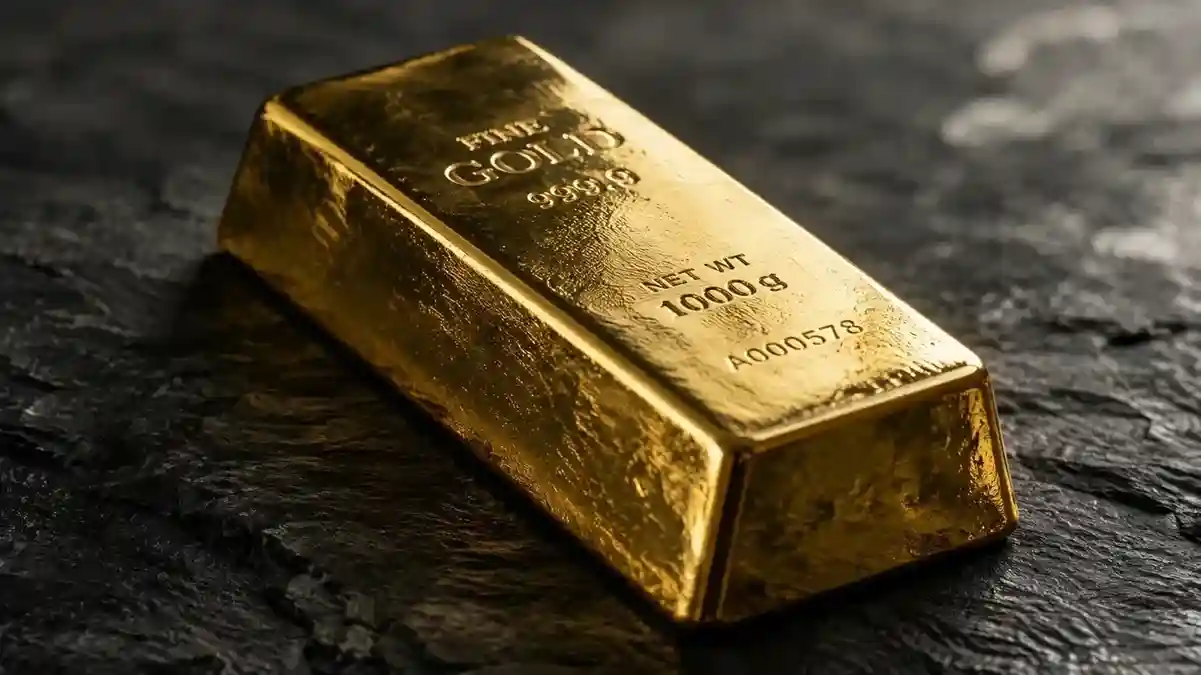
Gold's Slide Puts Futures Positioning in the Spotlight as Traders Brace for Inflation Data
Published on 11/13/2026 at 06:10 | Editorial boerse-global.de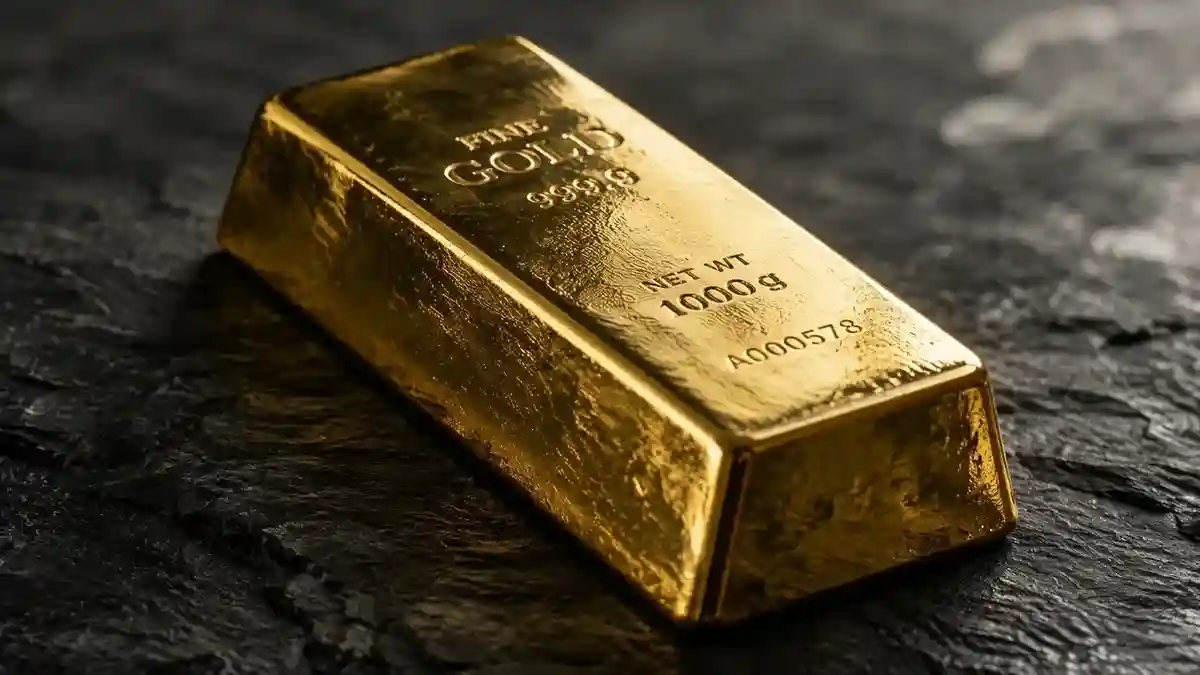
Fresh positioning data out of the US futures market is raising questions about whether the recent slump in gold has been driven by a wave of new short-selling, just as traders await a key US inflation reading that could determine the metal's next move.
Ole Hansen of Saxo Bank points to a telling combination: open interest in COMEX gold futures has now risen for three consecutive sessions to its highest level in six weeks, even as prices have fallen. In his reading, that divergence suggests trend-following programs and hedge funds may have built fresh bearish positions.
Yields and the Dollar Turn the Screw
The broader backdrop has been unforgiving. Yields on two-year US Treasuries have climbed 35 basis points since last week's low, while restrictive comments from Federal Reserve officials have cemented market expectations of a December rate hike. The US dollar, meanwhile, touched a 19-month high — a double burden for a metal priced in the US currency.
The scale of the selling was laid bare on Thursday, when gold closed at 3,874.31 USD per troy ounce, a daily loss of 2.8%. At one stage the price touched its lowest level since October of last year. Friday has brought only a modest stabilization, and Reuters notes the metal remains on course for a weekly decline.
Should investors sell immediately? Or is it worth buying Gold?
Oil and the Iran Standoff
Part of the pressure traces back to the Middle East. According to Reuters, Trump's remark that the US does not need a deal with Iran dampened hopes for a diplomatic breakthrough, and his mention of possible military strikes added to the unease. Bloomberg reported that Brent crude had climbed to almost 96 USD a barrel on Thursday, feeding inflation worries and, by extension, rate concerns — a channel that has lately outweighed gold's traditional safe-haven appeal.
Goldman Trims Its Targets
The shifting policy outlook has prompted Wall Street to rethink its price path. On 7 November, Goldman Sachs responded to the Fed's more restrictive stance by cutting its gold forecasts for the coming year-ends. For end-2026, the bank lowered its target from 4,650 to 4,150 USD per ounce. It also trimmed its view for the following year, citing the same rate environment, reducing its end-2027 goal from 5,400 to 4,800 USD per ounce.
Official Buyers Provide the Counterweight
Against that bearish tide, official-sector demand has been robust. The World Gold Council reported on 3 November that central banks and other official institutions bought a net 321 tonnes of gold in the third quarter of 2026 — a 42% increase on the same period a year earlier. That buying offers a structural cushion, though the recent price action shows how firmly oil prices, the dollar and Fed expectations are steering short-term direction.
Gold at a turning point? This analysis reveals what investors need to know now.
Producer Prices in the Firing Line
Attention now turns to US producer price data for October, due at 14:30 CET. Economists expect the headline index to rise 0.4% month-on-month and the core rate to gain 0.3%. The figures land in a market already primed for a tighter policy path following the latest US inflation report, with Christopher Waller having said that a larger rate increase should be considered if core inflation stays elevated. The Fed meets on 8–9 December 2026.
For gold, the near-term outlook hinges on how those numbers reshape rate expectations. Softer price data could ease the selling pressure — provided it also tempers bets on a bigger Fed move. Should inflation pressures reassert themselves, the short positions Hansen has identified would find further support from the policy backdrop.
Ad
Gold Stock: New Analysis - 13 November
Fresh Gold information released. What's the impact for investors? Our latest independent report examines recent figures and market trends.