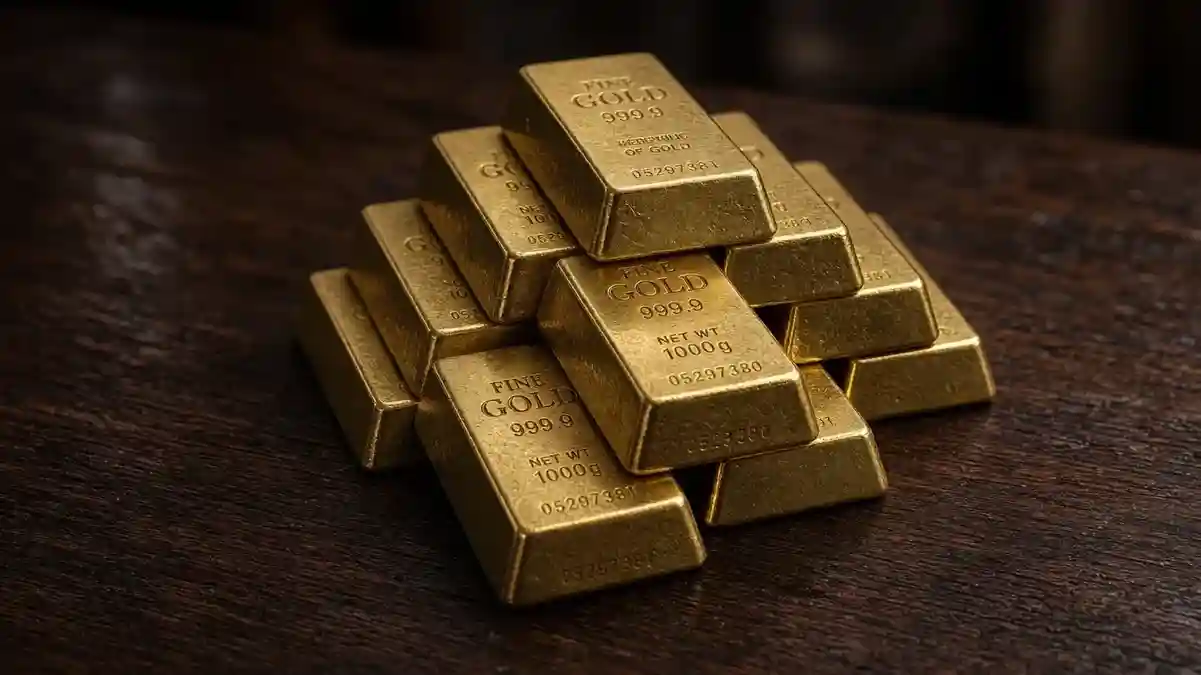
Gold's Seven-Day Rally Meets a Hawkish Ceiling as Forecasters Trim Their Targets
Published on 11/06/2026 at 11:31 | Editorial boerse-global.de
Gold is discovering that a rally can be built on two very different foundations — and only one of them is holding firm. The metal has climbed 5.5% over the past seven sessions, closing yesterday at $4,088.36 an ounce, as investors bet that a political shift in Washington will rein in Trump's spending and borrowing plans. That has weighed on the dollar and pushed Treasury yields lower, the classic cocktail for a gold advance. Yet the same session brought a reminder of how fragile the tailwind can be: crude oil rose more than 1% today, reviving inflation worries and expectations that US rates will stay higher for longer, and gold gave back 0.4% by the close.
The tension is easy to trace. Softer energy costs had helped lift the metal after the US midterms, easing fears of aggressive tightening. Today's oil rebound works in the opposite direction, at least for as long as it hardens the case for further monetary restraint. Oil prices were still headed for a sizeable weekly loss despite the uptick, with expectations of a de-escalation in the Iran conflict behind the drop. Over the same stretch, gold drew support from a weaker dollar and lower US bond yields.
Two forces, opposite directions
That leaves the same set of drivers pulling gold both ways. Cheaper energy helps the metal whenever it cools inflation and rate-hike expectations. Costlier crude hurts it when investors conclude the Fed will stay restrictive for longer. How heavily that rate overhang weighs on valuations was made plain by Goldman Sachs, which yesterday cut its end-2026 gold forecast to $4,150 an ounce from $4,650, citing the more restrictive stance of the US central bank and an expected rate increase in December. The bank also trimmed its end-2027 target to $4,800 from $5,400 and said it expects hedging demand for gold to normalize, with central bank purchases remaining a key pillar in its base case. Additional worries about government finances could push prices beyond that scenario.
Roukaya Ibrahim, a strategist at BCA, sees the metal technically oversold after October's selloff and flags $4,000 an ounce as critical support. Even so, she stays cautious near term, warning that inflation and monetary policy could generate headwinds, and expects a sideways phase first. Her base case has the dollar holding relatively firm through the end of 2026, with a more favorable macro backdrop possible in early 2027 if the dollar and inflation both ease. Central bank buying, in her view, is a support — but private investment demand could become the bigger catalyst.
Should investors sell immediately? Or is it worth buying Gold?
Official buying offsets the rate drag
Hard data published Tuesday by the World Gold Council underscores just how sturdy that official demand is. Central banks and other public institutions bought an estimated net 321 tonnes of gold in the third quarter of 2026, a 42% increase from the same period a year earlier. The estimate also captures purchases that are never publicly reported, which is why it pays to distinguish between disclosed reserve figures and total estimated demand. Physically backed gold ETFs, meanwhile, took in 211 tonnes in the third quarter, lifting their holdings to a record 4,256 tonnes. Demand for bars, coins and jewellery weakened over the same period.
The picture that emerges is a market split down the middle: institutions and exchange-traded products are carrying the load while parts of the physical market soften. That institutional backing argues for a durable recovery — provided it persists and the monetary headwind fades.
Politics and liquidity cut both ways
The post-election impulse itself is a two-way street. Investors are betting on tighter constraints on Trump's fiscal plans, which has pressured the dollar and Treasury yields. But the equity selloff is cutting in both directions too: demand for safe-haven government bonds pushes yields down and supports gold, while investors who need to raise cash sometimes sell the metal as well. Worries about stricter AI regulation and a slower buildout of data centres helped trigger that selling pressure. How much the political shift actually changes fiscal policy depends on negotiations between Congress and the Trump administration, so the impulse will keep carrying gold mainly if the dollar and yields stay under pressure.
Gold at a turning point? This analysis reveals what investors need to know now.
BCA's analysts also warn of near-term selling pressure from margin calls and the unwinding of leveraged positions if equity markets keep falling sharply. Long-term private investors and central banks, in their view, remain important supports.
Payrolls are the next test
The US jobs report due today is the next major checkpoint for rate expectations. The Dow Jones consensus cited by CNBC expects 59,000 nonfarm payrolls for October, down from 29,000 in September, with the unemployment rate seen at 4.2%. Weaker hiring and wage figures could dampen expectations of further tightening and extend gold's rebound; robust numbers could bolster rate-hike bets and the dollar. Near term, the focus stays on oil, the dollar and bond yields — and on whether relief on inflation, yields and the currency can hold.
Ad
Gold Stock: New Analysis - 6 November
Fresh Gold information released. What's the impact for investors? Our latest independent report examines recent figures and market trends.