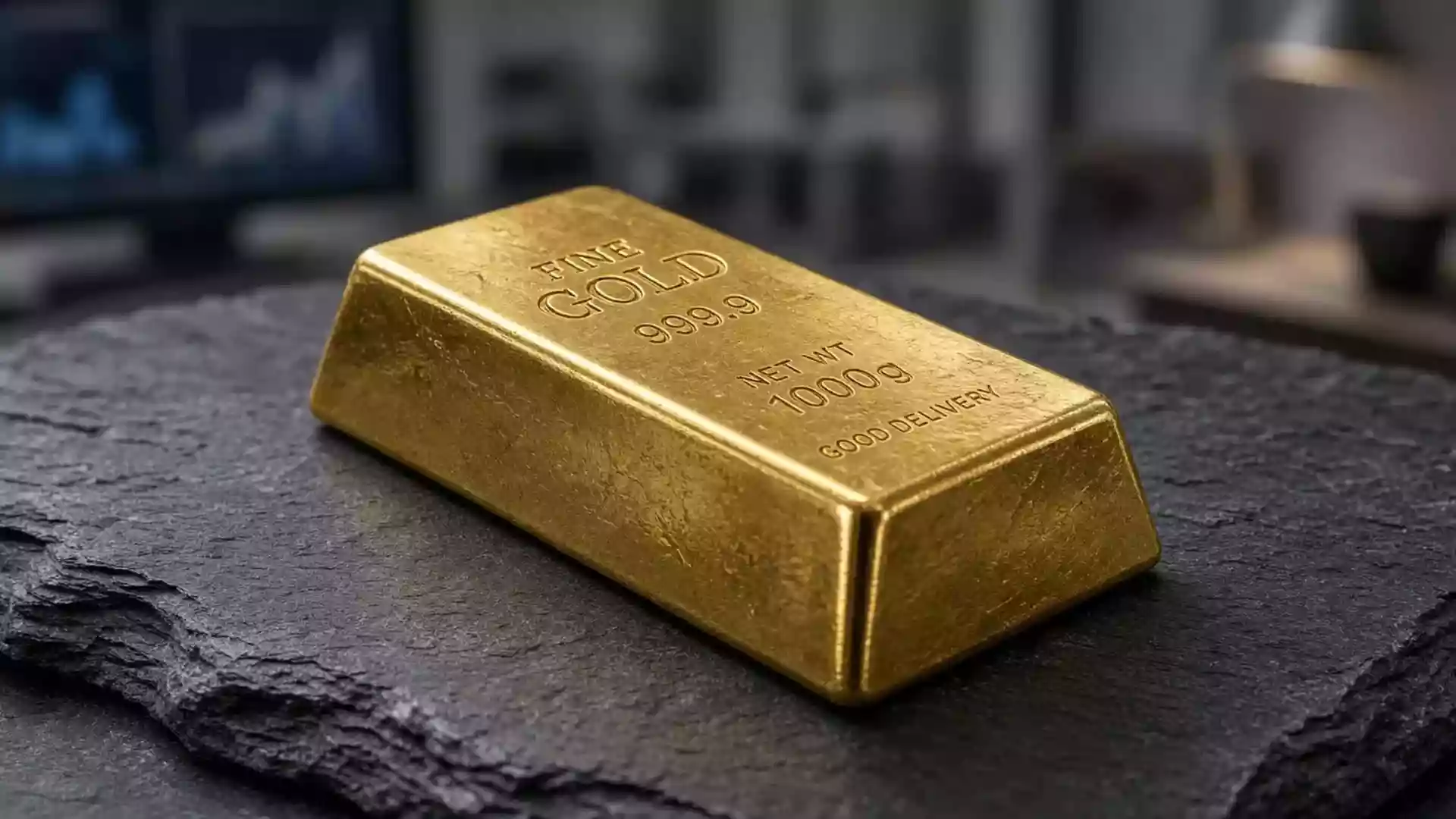
Gold's Record Output Meets Record Costs — and Neither Tells the Whole Story
Published on 11/04/2026 at 08:10 | Editorial boerse-global.de
Gold miners are digging more metal than ever while spending more than ever to do it, a combination that complicates the simple story investors often tell themselves about supply, costs and price floors.
Industry-wide all-in sustaining costs (AISC) hit a record $1,930 per troy ounce in the second quarter of 2026, up 22% year on year, according to a report from trade publication The Northern Miner. Yet in the third quarter, global mine production rose 3% to a record 1,071 tonnes. Higher costs, in other words, have not yet translated into a tighter market.
That distinction matters. AISC describes the economic burden of extraction — it is not a guaranteed selling price. Costlier mining alone is no proof of scarcity or of a durable price recovery, and the production data undercut the notion that rising expenses are already throttling output.
BMO Sees Costs Peaking, Not Spiraling
Analysts at BMO expect the producers they track to post average sustaining costs of $1,795 per ounce in 2026, 16% above the prior year. Factor in development capital and the burden swells to $2,298 per ounce, a 22% increase — a broader measure that captures not just day-to-day operations but also the money needed to keep projects moving forward. For 2027, the bank projects sustaining costs easing to $1,764 per ounce.
Should investors sell immediately? Or is it worth buying Gold?
Those figures argue against an unchecked cost spiral, though they remain forecasts for a selected group of producers rather than a verdict on the entire industry.
The Supply Story Lives Outside the Mines
Despite record extraction, total global gold supply slipped 1% in the third quarter of 2026. Recycling fell 8%, and producers trimmed their hedging activity on top of that. The support for gold, then, sits largely away from fresh production — a reminder that a mining record does not automatically mean more metal available to the market.
Official-sector buying provides the other pillar. The World Gold Council's demand report, released today, shows central banks and other official institutions adding a net 321 tonnes to reserves, 42% more than in the same quarter a year earlier. Since January, official purchases have totaled 675 tonnes.
Rate Expectations Are the Counterweight
Robust reserve demand alone does not guarantee a convincing rally. Higher oil prices and persistent inflation worries strengthened expectations of possible US rate hikes on Friday, according to Reuters, and the Federal Reserve left its benchmark rate unchanged on Thursday. Gold investors weighed the policy signals and awaited US inflation data — the hold did not clear up uncertainty over the path ahead.
The Reuters poll of October 27 had already captured the drag. The median forecast for gold in 2026 stood at $4,495 per ounce, down from $4,509 three months earlier. Respondents cited high US yields, a strong dollar and prolonged elevated rates as headwinds — a downgrade that reflected tougher financial conditions rather than any single demand segment.
Gold at a turning point? This analysis reveals what investors need to know now.
A Demand Picture Pulling in Two Directions
The WGC cut its forecast for growth in gold investment demand in 2026 to 200 tonnes from 400 tonnes, citing weaker bar and coin demand in the second half of the year, while raising its estimate for central bank purchases. Within investment demand, the split is just as stark: gold ETFs drew net inflows of 211 tonnes, with holdings reaching a record 4,256 tonnes, even as bar and coin demand dropped 19%.
Against that backdrop, gold traded at $3,922.22 per ounce, caught between institutional demand and monetary-policy headwinds. The day's 2.3% rebound to $4,018.05 per ounce does nothing to resolve the tension. Rising production costs can weigh on the valuations of mining companies; for bullion itself, what matters is whether demand absorbs the supply actually available. Strong buying by particular groups refutes neither the weakness in bars and coins nor the pressure from higher rate expectations.
Ad
Gold Stock: New Analysis - 4 November
Fresh Gold information released. What's the impact for investors? Our latest independent report examines recent figures and market trends.