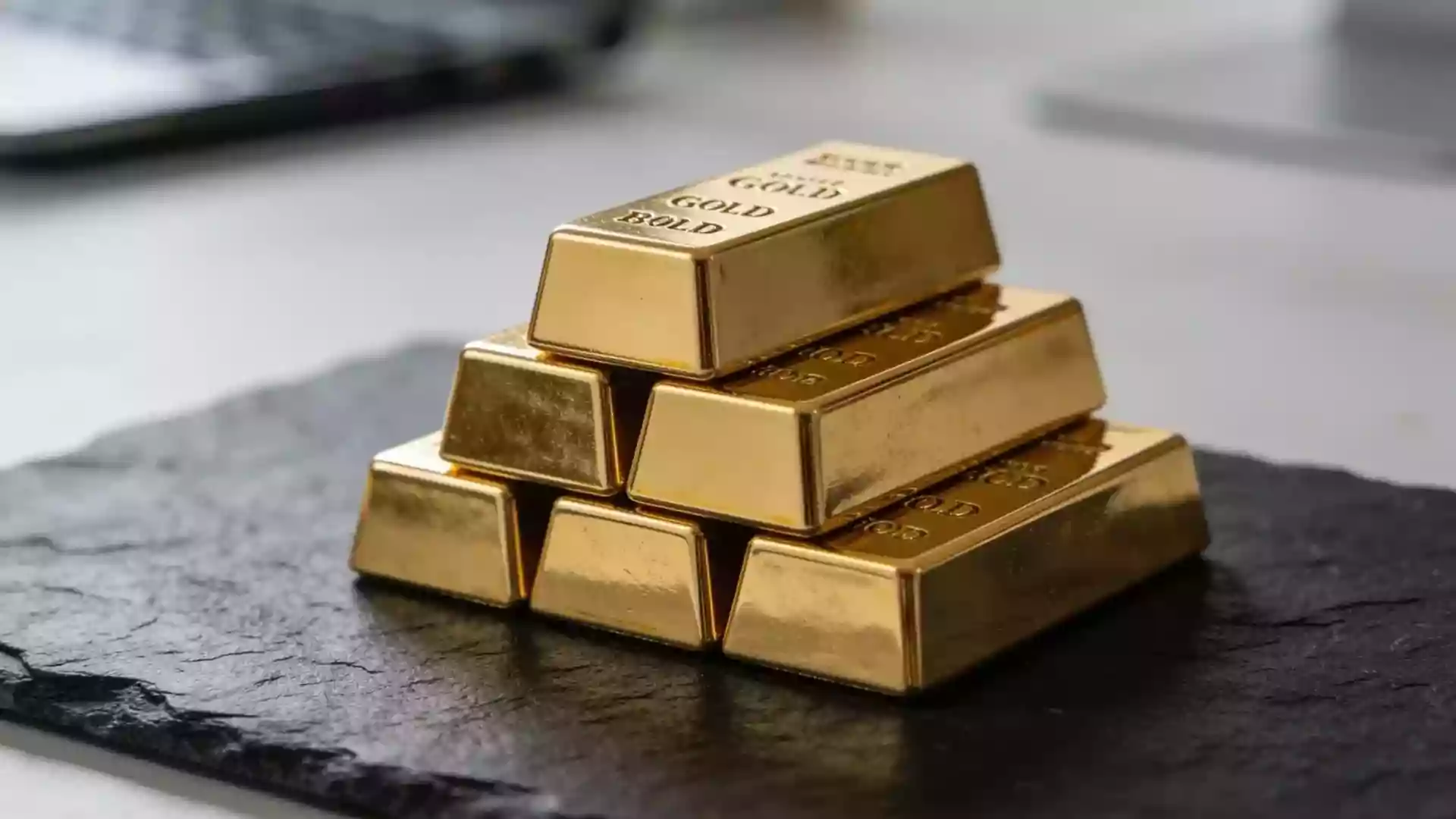
Gold's Rate-Fear Paradox Deepens as Bullion's Safe-Haven Status Takes a Back Seat
Published on 09/02/2026 at 08:10 | Editorial boerse-global.de
The yellow metal's recent retreat is turning into something more pronounced, with Tuesday's close at $4,328.81 per ounce representing a 2.8% daily decline and pushing the weekly loss to 5.9%. What makes the sell-off particularly notable is what it says about the current market hierarchy: interest-rate expectations are now trumping geopolitical?? demand, even as conflict escalates in the Middle East.
A Hawkish Pivot That Reshaped the Calculus
The catalyst for the downturn came from an unlikely corner — the Federal Reserve's podium. Speaking in Jackson Hole on August 28, Fed Chair Kevin Warsh warned that the central bank still has "work to do" until inflation convincingly returns to its 2% target. Markets took the message seriously. Gold futures in New York surrendered 1.7% on the day, and the metal posted its steepest single-session drop since June 10, shedding more than 3% at one point.
Traders quickly repriced the policy path. According to CME FedWatch data, odds of a 25-basis-point rate hike in September jumped to 66.4% following the speech, with just 33.6% assigning probability to a pause. That shift matters enormously for a zero-yield asset like gold, as rising Treasury yields inflate the opportunity cost of holding bullion.
Geopolitics Fails to Provide Its Usual Floor
Conventional wisdom holds that gold thrives on geopolitical turmoil. The past week has tested that theory. A US airstrike on an Iranian island in the Strait of Hormuz drew retaliatory strikes against the United Arab Emirates and Jordan, sending oil prices higher and deepening inflation concerns. Yet bullion failed to mount any sustained safe-haven bid.
The explanation is counterintuitive but coherent: the same geopolitical shocks that would normally lift gold are now feeding inflation expectations, which in turn reinforce the case for tighter Fed policy. Higher rates, not higher tensions, are dictating the metal's direction. Spot gold slipped to $4,358.74 per ounce on Tuesday at one point, down 1.86% on the day, before settling lower still.
Should investors sell immediately? Or is it worth buying Gold?
Context for the Correction
Friday's slide had already set the tone, with spot gold retreating to roughly $4,448.30 per ounce according to Reuters data. Analysts framed that move as a pullback from a peak near $4,700, with Warsh's remarks serving as the immediate trigger.
The correction follows a remarkable run that had taken gold to its highest level in over three months. On August 21, the ounce touched $4,631.99 — the strongest since May 15 — before closing at $4,623.94, buoyed by a softer dollar and favorable technical signals. A key accelerant came on August 19, when the US Treasury announced it would raise the maximum size of its liquidity-support buybacks for longer-dated securities from $2 billion to at least $4 billion per operation starting September 9. Market participants read the move as a telltale sign of mounting fiscal strain, burnishing gold's appeal as a hedge.
That backdrop puts the current decline in perspective. Despite the sharp weekly drop, gold remains 23% higher on a twelve-month basis. The monthly picture is even more forgiving: bullion is still up 6.7% over the past 30 days, and August closed with a gain exceeding 10% despite the late-month turbulence.
Structural Supports Remain in Place
Beneath the short-term rate anxiety, the longer-term underpinnings for gold look largely undisturbed. Central banks purchased 863.3 tonnes of the metal in 2025, representing 17.3% of total demand, cementing their role as a dominant force in the market. The fiscal backdrop in Washington continues to swell — total US debt crossed the $40 trillion threshold for the first time in late August — even as the Treasury expands its buyback operations at the long end of the curve.
Supply dynamics add another layer. S&P Global analysts project global mine production will peak in 2026 at 110 million ounces before easing to 103 million ounces by 2028. Total output from all mines worldwide reached 3,671.6 tonnes in 2025, with South African production in June 2026 running 6.2% above the same month a year earlier.
The Battle Ahead
Investors are now caught between two competing forces. In the near term, the prospect of Fed tightening and climbing bond yields is exerting relentless downward pressure on prices. Over a medium-term horizon, however, central bank buying, deteriorating US fiscal metrics, and an anticipated supply squeeze all argue for renewed strength. Which force prevails will likely hinge on the data flow out of Washington in the weeks ahead — and whether Warsh's hawkish rhetoric translates into action at the September meeting.
Ad
Gold Stock: New Analysis - 2 September
Fresh Gold information released. What's the impact for investors? Our latest independent report examines recent figures and market trends.