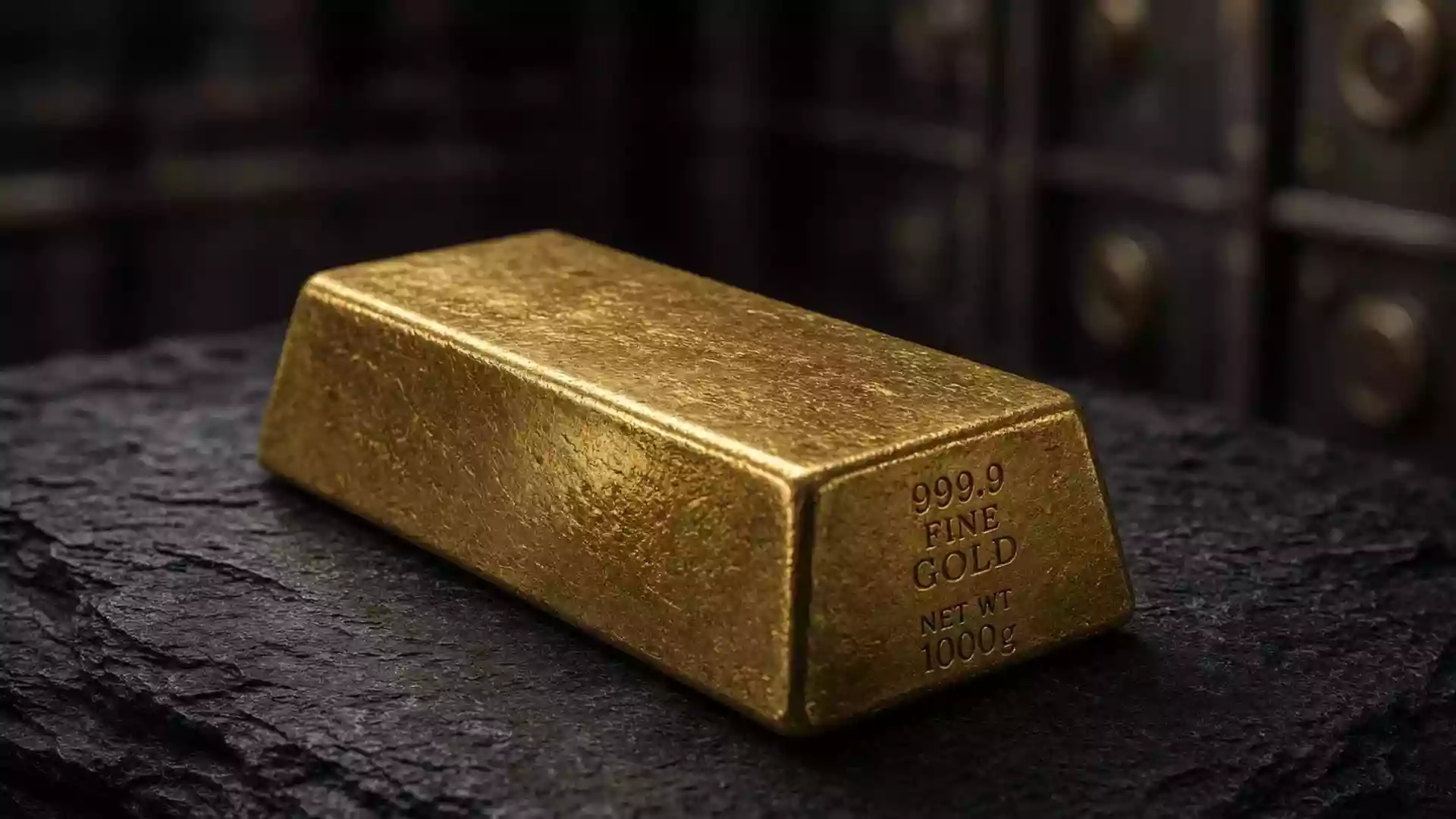
Gold's Four-Day Slide Exposes a Split Market: Yield Pressure Versus Determined Buyers
Published on 10/21/2026 at 16:20 | Editorial boerse-global.de
Gold is heading for a fourth straight session of losses, with energy-driven inflation fears and the prospect of a longer stretch of restrictive US monetary policy keeping the precious metal firmly on the back foot. The retreat comes even as exchange-traded funds and central banks continue to accumulate bullion, leaving investors to weigh whether that demand can offset the headwinds blowing in from the rates side.
Oil, Inflation and the Rates Channel
At the root of the latest pressure is crude. Reuters attributes the rise in oil prices to supply worries tied to the Middle East, including risks to shipping through the Red Sea and threats to Saudi oil infrastructure. For gold, the geopolitical uncertainty is only half the story — costlier energy also feeds the fear that inflation will prove stubborn, reinforcing market expectations that the Federal Reserve will hold off on any near-term easing.
The dynamic weighs on a metal that pays no yield. A firm US dollar and climbing Treasury yields had already dragged on gold on Monday, according to Reuters, and the spot price closed yesterday at USD 4,122.23 per troy ounce, a reading that captured the persistent selling pressure. The World Gold Council, writing on Monday, offered a mixed assessment: stronger inflation and a firmer dollar are a burden, but softening US yields could lend support should equity-market risk rise at the same time. Geopolitical tension, in other words, does not cut cleanly in gold's favour.
The path forward hinges on the signals the Fed sends about its inflation fight. Its next meeting runs from 27–28 October 2026, with the rate decision on 28 October 2026 serving as the nearest short-term marker for the gold market. The World Gold Council had noted on 15 October that US consumer and producer price inflation both picked up in September, while Middle East tensions and disruptions around the Strait of Hormuz pushed oil higher — the very link between energy costs and rate expectations that sits at the heart of the current pressure.
Should investors sell immediately? Or is it worth buying Gold?
Official Buyers Pulling in Opposite Directions
Government reserves are telling a similarly mixed story. Data published yesterday by the Bank of Russia showed holdings fell by 200,000 troy ounces in September to 72.8 million troy ounces as of 1 October. That marked a tenth consecutive month of selling and left Russian reserves at their lowest since late 2019 — a reminder that central banks are far from acting as a united buying bloc.
China is moving the other way. The People's Bank of China reported a 23-tonne purchase for September, according to the World Gold Council, the largest single monthly addition since October 2023. The two directions cannot be flattened into a single central-bank demand trend. For investors, the distinction matters: a handful of large buyers are propping up demand while other institutions keep trimming their holdings.
Funds Add a Cushion, Not a Shield
Outside official channels, support is evident. Physically backed global gold ETFs drew USD 10 billion in September, the World Gold Council reported, lifting their holdings by 67 tonnes to 4,256 tonnes. Those inflows show that the recent price weakness should not be read as a broad investor exit from gold — though financial and physical demand are sending noticeably different signals.
China's wholesale demand, by contrast, stayed well below both year-earlier levels and its long-run average. India presents no cleaner a picture, with imports, domestic supply and seasonal buying interacting in ways that resist easy interpretation. The World Gold Council said yesterday that Indian gold imports totalled USD 1.8 billion in September, an estimated 20 tonnes, with a larger domestic supply — including recycled scrap — cited as a reason for the decline even as seasonal demand picked up.
Gold at a turning point? This analysis reveals what investors need to know now.
Seasonal Indian buying is gaining momentum ahead of the festival and wedding season, and ETF inflows there stayed positive through mid-October. Indian asset managers nonetheless suspended new and additional subscriptions to gold funds from Friday, though the World Gold Council expects only a limited effect on inflows.
The Fed Still Calls the Tune
Fund and central-bank purchases therefore provide a counterweight rather than reliable protection against further rate-driven pressure. The latest market move makes clear that inflation and rate expectations currently carry more weight. Beyond the 27–28 October 2026 Fed meeting, US PCE data in the following week will draw attention, and the World Gold Council's next Gold Demand Trends report for the third quarter of 2026, due for release on 03.11.2026, should shed sharper light on the divergences between buyer groups. Near term, though, the demand impulses from Asia remain locked in a tug-of-war with yields and expectations of further tightening.
Ad
Gold Stock: New Analysis - 21 October
Fresh Gold information released. What's the impact for investors? Our latest independent report examines recent figures and market trends.