Gold's $4,400 Ceiling Holds Its Ground as the Commodity Complex Shifts Beneath It
Published on 08/10/2026 at 21:02 | Redaktion boerse-global.de
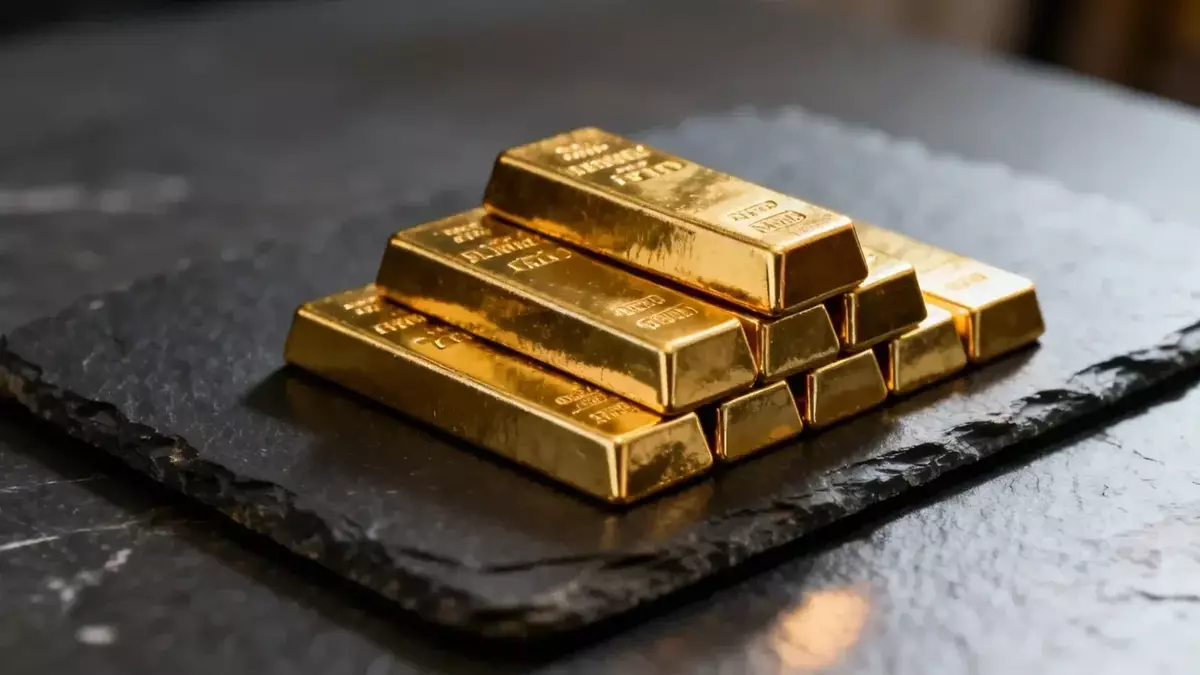
Gold has spent the early part of this week treading water just shy of $4,400 an ounce, consolidating gains from a payroll-driven surge that caught the market off guard. The metal's near-flat session — a negligible 0.19 percent dip to $4,347.52 — masks a far more volatile story playing out across the broader commodity complex, where copper has shattered records and platinum has broken a trend that had gripped it for months.
The catalyst for gold's recent climb was a US jobs report that landed with unexpected force. July's employment figures showed outright job cuts, and June's numbers were revised lower to boot, giving investors the clearest signal yet that the American economy is losing momentum faster than anticipated. The market's reaction was swift: the probability traders assigned to a September rate hike collapsed from 67 percent just a week ago to 44 percent today.
That repricing matters enormously for a metal that pays no yield. Every percentage point shaved off expected rates reduces the opportunity cost of holding gold, and with US Treasury yields sliding in the wake of the weak labor data, the calculus has shifted decisively in the metal's favor. The chart reflects the enthusiasm — gold now trades roughly six percent above its 50-day moving average of $4,172, with a relative strength index of 67 suggesting momentum is strong but not yet stretched to extremes.
Asian Demand Adds a Structural Tailwind
While the rate narrative dominates headlines, a quieter but equally significant force is building in Asia. Chinese institutional investors have been steadily expanding their long positions in gold-backed vehicles, using the metal as a hedge against volatility in technology equities. Central banks across the region are buying alongside them, with clearinghouse data confirming the pattern. These buyers are responding less to short-term Fed signals and more to structural diversification strategies that look set to persist regardless of what Wednesday's inflation print delivers.
Should investors sell immediately? Or is it worth buying Gold?
The geopolitical backdrop has added another layer of support. Oil prices have climbed for three consecutive sessions, with Brent reaching $84.18 a barrel, as doubts persist over the reopening of the Strait of Hormuz. Iran says talks with Oman over a shipping route through the strategic waterway are close to conclusion, yet Tehran simultaneously denies direct negotiations with Washington and warns that any agreement would not lead to an immediate reopening. The strait's importance is difficult to overstate — before the crisis, it handled roughly a quarter of global seaborne oil trade and a fifth of worldwide LNG flows.
Copper Steals the Show
The real spectacle this week, however, belongs to copper. Comex futures hit a fresh record at $6.86 per pound, eclipsing the previous high of $6.716 set in May. The rally is being driven primarily by speculation that the Trump administration could impose import tariffs on refined copper, a threat that has already begun distorting global trade flows as suppliers redirect shipments toward the US.
The industrial metal's year-to-date performance — roughly 20 percent — has left gold and silver trailing in its dust. Beyond the tariff anxiety, structural demand from the clean-energy transition and the rapid expansion of AI data centers continues to underpin the long-term outlook, while tightness in copper concentrate and scrap supply in China, the world's largest consumer, keeps the market on edge.
Platinum's Quiet Revolution
Among the precious metals, platinum has emerged as the surprise performer. The metal broke its medium-term downtrend in early August, surging nearly eight percent in a single session on the highest trading volume in weeks, and has held onto those gains since. The move is backed by fundamentals rather than speculation: the World Platinum Investment Council projects a deficit of roughly 297,000 ounces for 2026 — a fourth consecutive year of shortfall — and Bank of America has set a fourth-quarter price target of $3,000.
The demand side, however, tells a more cautious story. The WPIC expects total demand to fall nine percent next year to around 7.67 million ounces, with investment demand plunging 54 percent following last year's massive ETF inflows. Jewelry demand is forecast to drop twelve percent. Whether the technical breakout can survive that demand destruction is the question now hanging over the metal.
Gold at a turning point? This analysis reveals what investors need to know now.
Wednesday's Inflation Verdict
All eyes now turn to Wednesday, when two US inflation reports are due. Analysts expect continued price pressure, and the numbers could easily reshuffle the rate expectations that have been driving gold's direction. A hot print would revive the case for a September hike, creating headwinds for the metal. A cooler reading, by contrast, would reinforce the disinflationary trend and likely extend the rally supported by the softer labor market and robust Asian buying.
For silver, the stakes are equally high. The metal closed last week above $63 an ounce, a level some traders view as a springboard for a trend reversal, and the gold-silver ratio has tightened to 68.3 from just over 70 a week earlier. Producer stocks including Fresnillo, Hecla Mining and Pan American Silver have already responded, posting solid gains on the new setup.
The broader pattern across the commodity complex is one of political and regulatory uncertainty driving nearly every price move. Brent answers to Hormuz, copper to trade policy, gold and silver to the Fed, and platinum to its own supply dynamics. The divergence within the precious metals group is particularly striking — gold consolidates, silver waits for its catalyst, and copper has left both behind. That rotation from traditional safe havens toward industrial metals with structural deficits looks set to remain a defining theme in the weeks ahead, with Wednesday's inflation data likely to determine whether gold resumes its climb or surrenders the initiative to the rest of the complex.
Ad
Gold Stock: New Analysis - 10 August
Fresh Gold information released. What's the impact for investors? Our latest independent report examines recent figures and market trends.