
DroneShield's Backlog Buys Time, But the RfRecon Question Hangs Over Everything
Published on 08/30/2026 at 08:41 | Editorial boerse-global.de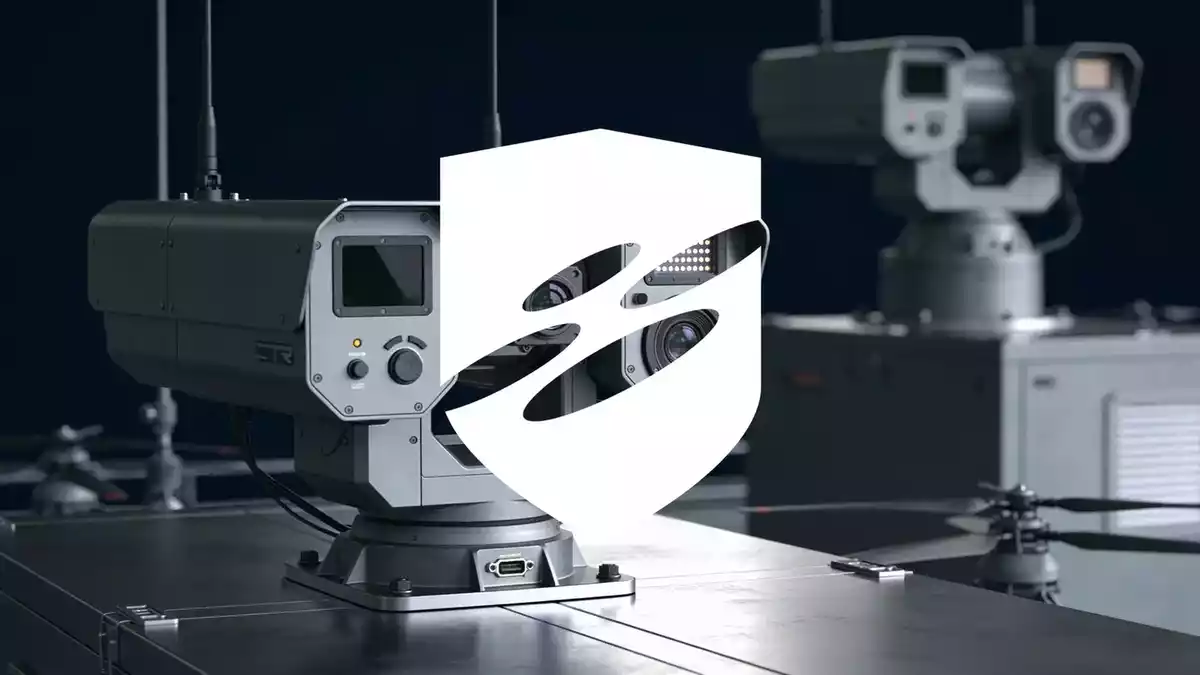
The arithmetic at DroneShield is getting harder to ignore. For the first half of 2026, the counter-drone specialist posted record revenue of A$125.8 million, up 74 percent year on year — and still managed to lose A$32.2 million after tax, a stark reversal from the A$2.1 million profit booked in the prior-year period. Operating costs climbed 122 percent, and inventory write-downs added to the damage. The market's verdict has been unambiguous: the shares closed Friday at €1.08, down 40 percent since the start of the year and roughly 71 percent below the 52-week high of €3.79 touched on October 1.
Yet management is holding its line. On August 27, DroneShield reaffirmed its full-year guidance of A$250 million to A$270 million, pointing to committed revenue of A$240.4 million as of August 21. That backlog alone covers roughly 89 to 96 percent of the target range — a cushion that keeps the growth narrative alive even as the profit-and-loss statement tells a more uncomfortable story.
The Recurring-Revenue Litmus Test
The metric that will ultimately decide whether this is a growth story or a margin problem is the share of recurring revenue. In the first half, software subscriptions accounted for 9.2 percent of total sales, or A$11.5 million, up from around 3 percent a year earlier, supported by an installed base of 4,100 software-enabled devices. If that trajectory continues, DroneShield's earnings quality improves markedly — the kind of argument Bell Potter leaned on roughly a month ago when it trimmed its price target to A$2.40 while still pointing to the upper end of the annual forecast.
The immediate test case is RfRecon, the new hardware platform unveiled in August. Management has signaled first sales in the second half, but the market is waiting for proof that the product can convert buzz into booked orders. A successful ramp would bolster both top-line growth and the recurring-revenue mix; a stumble would leave DroneShield looking like a project-driven hardware business with volatile margins and a deepening loss problem.
Should investors sell immediately? Or is it worth buying DroneShield?
Two Camps, One Balance Sheet
The bull case rests on financial firepower. With A$180 million in cash and term deposits and zero debt, DroneShield can fund its capacity expansion and systems investment without tapping external capital. The committed-revenue figure already exceeds last year's total sales, and notable institutional interest has emerged: in August, entities linked to JPMorgan Chase and Citigroup reported stakes crossing the five percent threshold, suggesting some large investors see value beneath the share-price damage.
The bear case is equally straightforward. The operating EBITDA swing — from a A$8.0 million profit to a A$12.4 million loss — shows how quickly the cost base has outgrown revenue. The stock trades 40 percent below its 200-day moving average, and annualized volatility of 87 percent underscores how jittery the market has become. If RfRecon sales slip or the recurring-revenue share stalls in the low single digits, the loss expansion stops reading as growth pain and starts looking structural.
A Cloud That Hasn't Lifted
Complicating the picture is the unresolved Australian Securities and Investments Commission investigation into the company's market disclosures and trading activity since November 2025. DroneShield confirmed on August 26 that it continues to cooperate, with no resolution in sight. Skeptics also point to Jefferies' decision in late May to cut fiscal 2026–2028 revenue forecasts by around 9 percent, citing the removal of specific sales-pipeline details from company announcements. That critique is now three months old and predates the latest guidance and results, but it remains a standing transparency concern.
Meanwhile, dilution is creeping in. On the same day as the guidance confirmation, DroneShield applied to list 1,128,946 new ordinary shares on the ASX, stemming from exercised options and conversions of convertible instruments. The effect is modest, but it lands at a moment when investors are already questioning the capital intensity of the growth strategy.
What Comes Next
The shares retain some buffer above their 52-week low of A$0.8230 — set on November 21 — trading about 32 percent above that level. But the decisive catalyst is still ahead: the first reported RfRecon sales in the second half of 2026. Until those numbers land, the market is left weighing a fully funded order book against a loss trajectory that shows no sign of bending. The backlog buys DroneShield time; whether it buys credibility is another matter entirely.
Ad
DroneShield Stock: New Analysis - 30 August
Fresh DroneShield information released. What's the impact for investors? Our latest independent report examines recent figures and market trends.


