
Collision Report Highlights Watchkeeping Failures in Marmara Sea Sinking
Published on 09/03/2026 at 22:47 | Editorial boerse-global.de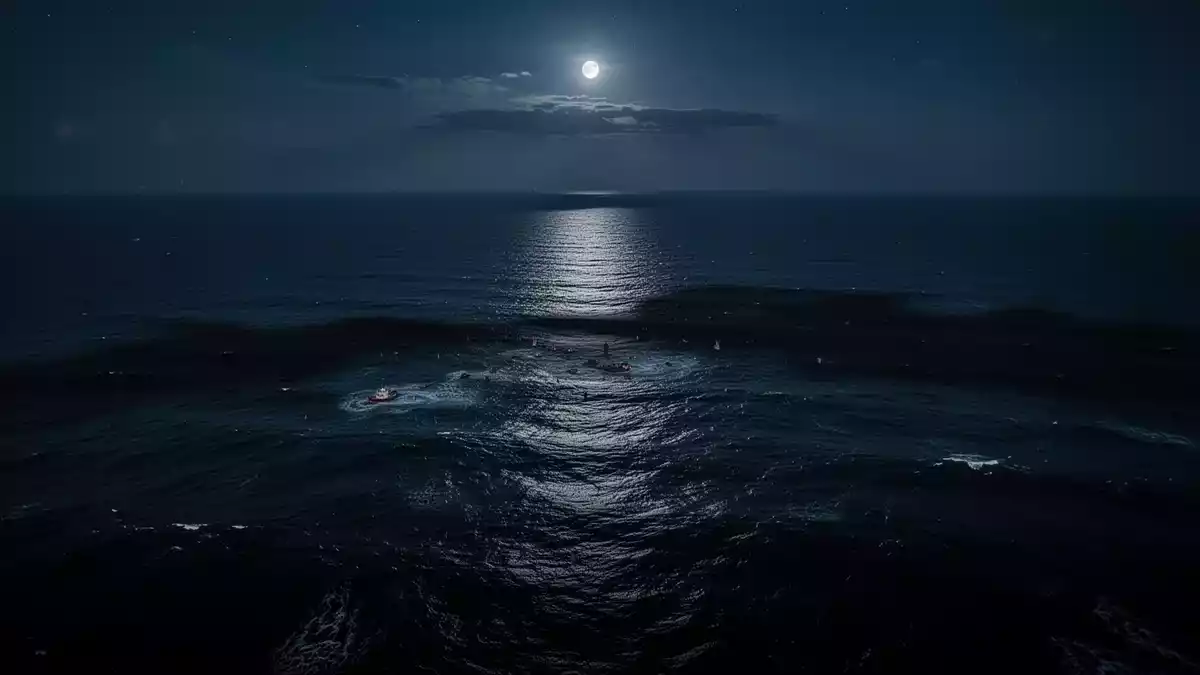
A preliminary expert report has identified significant bridge discipline failures and crew negligence as primary causes of a collision in the Marmara Sea that left 10 crew members missing. The findings, released on September 3, 2026, and prepared for the Silivri prosecutor, suggest the disaster could have been avoided if standard maritime watchkeeping procedures had been followed.
Negligence on the Bridge
The tanker ALSU was reportedly operating with only an inexperienced third officer on the bridge at the time of the incident. The officer, identified as Murat Evcimen, had joined the vessel just one day before the collision and was performing his first watch. The ship's captain was asleep when the impact occurred and did not reach the bridge until approximately seven to ten minutes afterward.
Investigators highlighted the total absence of a designated lookout or helmsman on the ALSU. According to the preliminary findings, the presence of a lookout would likely have allowed the crew to identify the danger and prevent the collision.
Incidents like this underscore how quickly lapses in safety procedures can escalate into tragedy. Onshore, many employers face similar risks when routine hazard checks are missed or undocumented. A free toolkit with 41 ready-to-use templates and checklists helps you identify and manage workplace risks before they lead to serious consequences. Download the free Risk Assessment Toolkit
Technical and Tactical Failures
The cargo ship Tu?berk ?mamo?lu, which sank within 11 minutes of the collision, was also found to have contributed to the accident. The vessel's Automatic Identification System (AIS) was either turned off or malfunctioning, operating in what experts described as a ghost mode. Furthermore, the report states the ship executed an incorrect maneuver by turning suddenly to starboard within the final half-mile before impact.
The Tu?berk ?mamo?lu was carrying 4,199 tons of rolled sheet metal at the time of the accident. The vessel now rests on the seabed at a depth estimated between 800 and 1,000 meters.
Incident Circumstances and Ongoing Search
The collision occurred at approximately 3:00 a.m. on September 2, 2026, about 18 nautical miles south of Silivri. Despite clear weather conditions and approximately six miles of visibility, the two Turkish vessels collided in what experts described as a T-type impact. The report noted that the wind was at 4 Beaufort and the sea at 3 Beaufort, suggesting that environmental factors were not a cause of the crash.
While the ALSU remained relatively undamaged and has anchored off Silivri, search and rescue operations have continued for more than 24 hours. A task force including 18 ships, five helicopters, two drones, and additional aircraft is currently deployed to locate the 10 missing crew members from the sunken cargo ship.
When safety procedures fail, the consequences can be severe — which is why proactive documentation matters. Over 37,000 UK businesses already use a free Health & Safety Toolkit covering key regulations like COSHH and PUWER, with ready-to-use risk assessments and checklists that help keep your team protected. Get the free Health & Safety Toolkit
Following the incident, nine crew members from the ALSU were detained for questioning. Authorities confirmed that no alcohol was found in the systems of the suspects. The investigation remains focused on the loss of situational awareness and the abandonment of international watchkeeping standards by both crews.


