
Christchurch Landlord Ordered to Pay $5,700 Over Unlawful Garage Rental
Published on 08/30/2026 at 20:37 | Editorial boerse-global.de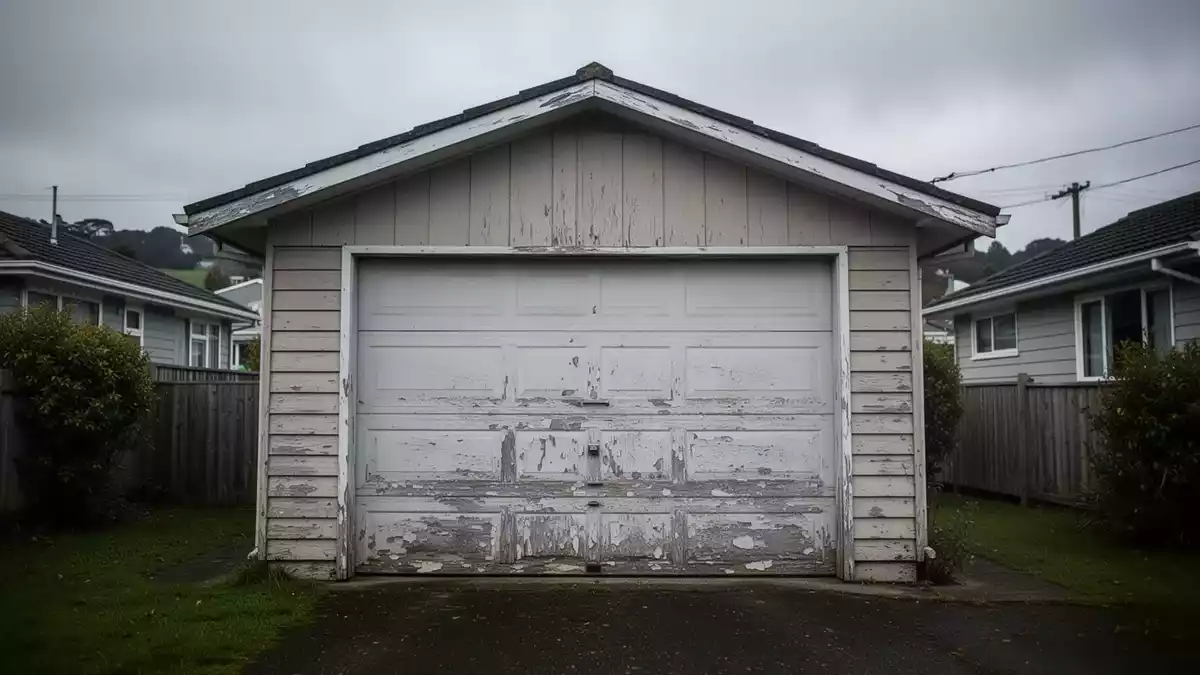
A Christchurch landlord has been ordered to pay $5,700 after renting out a garage as a primary residence without essential amenities, in a ruling that highlights the wider challenges tenants face in enforcing Tenancy Tribunal decisions. The case underscores a systemic problem for renters across New Zealand, particularly students and low-income households, who often win compensation orders but struggle to actually collect the money owed to them.
Unlawful Rental Ruling
The Tenancy Tribunal ruled on August 30, 2026, that landlord Regie Caballero had unlawfully let a garage as a home between September 2025 and May 2026. Adjudicator John Greene found the property lacked basic facilities, including a kitchen and bathroom.
The award included a $2,775 rent refund — 50 percent of the weekly rent paid during the tenancy — plus $1,500 in exemplary damages and $1,500 in additional compensation. While the decision marks a legal victory for the former tenant, housing advocates say securing payment is a separate and often more difficult battle.
Tenants Left Struggling to Recover Compensation
Justene Allen of the Otago University Students' Association (OUSA) said the Tenancy Tribunal currently lacks a robust system to ensure landlords comply with compensation orders. Recent cases illustrate the scale of the problem.
In one instance, a landlord avoided a rent repayment order of more than $6,500 for months, settling the debt only after significant external pressure. Another Dunedin-based landlord, Mike Harbott, was reported to owe $4,500 to a group of tenants following a ruling dating back to May 2017.
For many students, pursuing these debts through further legal channels is costly and time-consuming, often stretching beyond their available resources.
Stricter Standards, Patchy Compliance
The enforcement gap sits alongside tighter housing rules. Since July 1, rental properties must have ceiling and underfloor insulation wherever practicable. Landlords who fail to comply face fines of up to $4,000, paid directly to affected tenants.
Despite a three-year warning period and a 75 percent subsidy for insulation upgrades, take-up among some property owners has remained limited. Sage Burke of OUSA has encouraged students to take non-compliant landlords to the Tribunal, though the underlying issue of enforcing those fines persists.
The stakes are significant. Data from Otago University and the ANZASW suggests roughly 10 percent of New Zealand homes are unfit for habitation, with poor housing conditions linked to approximately 1,600 deaths annually.
Calls for Comprehensive Reform
Advocacy groups Renters United and ActionStation have proposed a package of legislative changes in "The People's Review of Renting," a report based on more than 600 survey responses. Recommendations include a mandatory rental Warrant of Fitness and licensing for all landlords.
Other proposed reforms include establishing a dedicated Housing Commissioner, abolishing letting fees, ending no-fault evictions, and limiting rent increases to match minimum wage growth. The report also calls for reforming the Tenancy Tribunal to improve enforcement of its own rulings.
Research from the Global Student Living Index, conducted in the first half of 2026, found students are also seeking better operational communication from housing providers. Complaints included maintenance teams entering properties without notice and the circulation of outdated information, further straining relations between student tenants and property managers.


