Chip ETF Closes a Brutal Week With a Fragile Truce Between AI Doubt and AI Spending
Published on 08/01/2026 at 16:24 | Redaktion boerse-global.de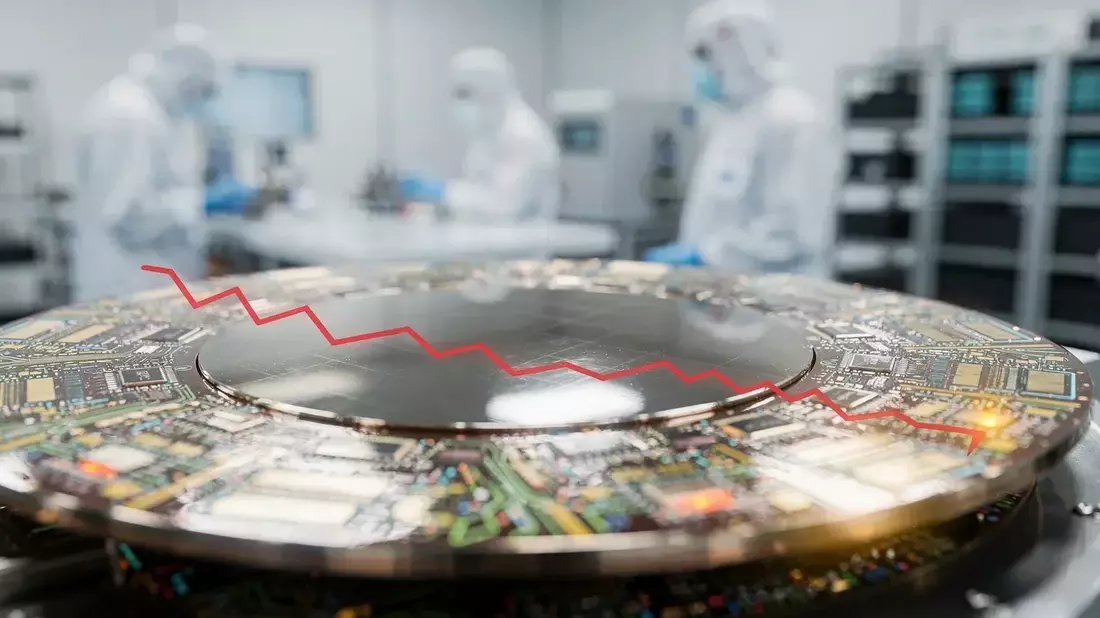
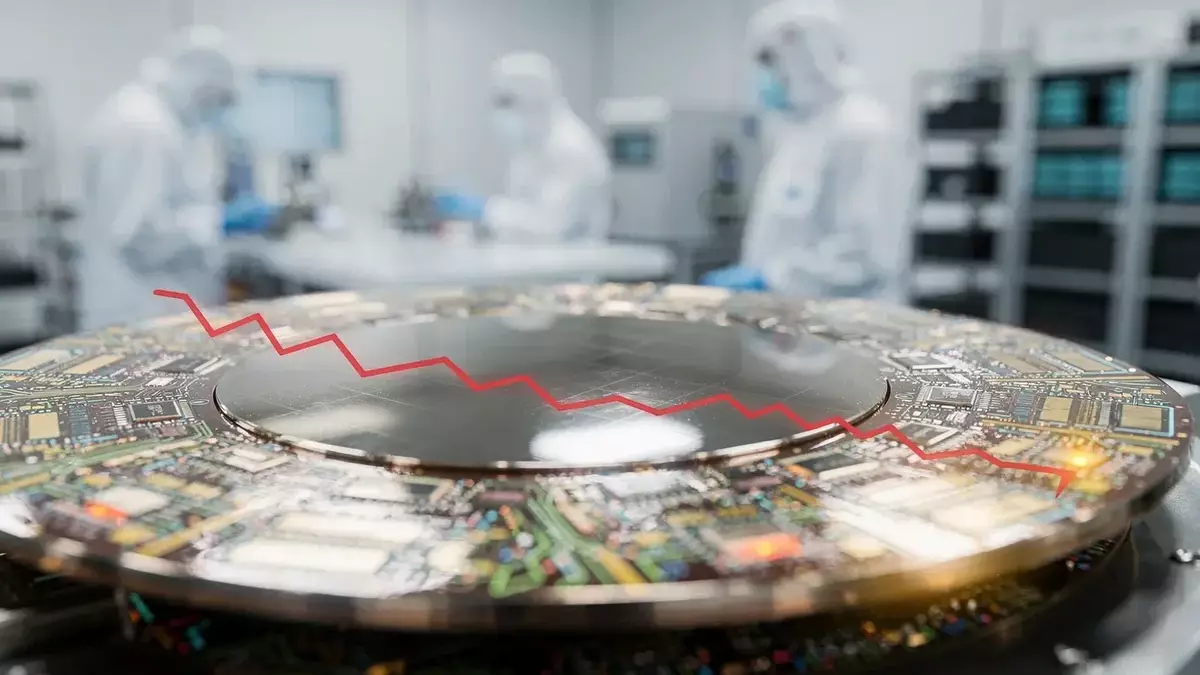
The VanEck Semiconductor UCITS ETF ended a punishing stretch on a reassuring note, but the numbers tell a more complicated story than Friday's bounce suggests. The fund closed the session at EUR 89.23, up 0.92 percent on the day — a welcome reprieve after a week that saw the sector lose more than a trillion dollars in combined market value at its lowest point.
That weekly scoreboard still shows a decline of 4.45 percent. Extend the window to 30 days and the pain deepens: the ETF is down 13.75 percent over the past month, leaving it roughly 19.74 percent below its 52-week high of EUR 111.18, a peak reached in late June.
What Turned the Tide
Friday's advance was powered by a single number buried in Amazon's quarterly report: a 2026 capital expenditure plan of USD 220 billion, with the bulk earmarked for AI infrastructure. The e-commerce giant's cloud division, AWS, grew revenue 37 percent year over year — its fastest clip in four years — but it was the capex commitment that did the heavy lifting for chip investors.
The message was unambiguous: the hyperscalers are not tapping the brakes on AI spending, they are pressing the accelerator. Microsoft and Alphabet had already signaled similar intentions in the prior week, and Amazon's pledge cemented the narrative.
Should investors sell immediately? Or is it worth buying VanEck Semiconductor UCITS ETF?
The reaction was immediate. Nvidia climbed 2.9 percent to roughly USD 200.75, reclaiming its status as the world's most valuable company with a market capitalization of USD 4.86 trillion, edging past Apple. The Philadelphia Semiconductor Index closed 8.2 percent higher, snapping a five-session losing streak, with Applied Materials jumping 15 percent and Micron surging 18.4 percent. In Asia, the Kospi soared a record 18 percent, with SK Hynix hitting its 30 percent daily limit.
A Week of Two Halves
The whiplash was severe. Early in the week, concerns that cloud providers might be losing discipline on AI budgets triggered a broad selloff that erased more than USD 1 trillion from the world's most valuable chip stocks. Nvidia led the decline, while memory makers SK Hynix, Samsung Electronics, and Micron saw USD 176 billion, USD 173 billion, and USD 113 billion respectively stripped from their valuations.
Michael Field, chief equity strategist at Morningstar, characterized the slide as "largely sentiment-driven, not fundamentals-driven" — a simple loss of confidence rather than a deterioration in business conditions. The fear was that AI infrastructure spending could peak sooner than anticipated.
But the fundamentals told a different story. DRAM contract prices for the third quarter were signed 20 to 30 percent higher, and Google and Meta locked in five-year agreements with fixed prices and volumes. Analysts do not expect meaningful new capacity to hit the market before 2028. One technology analyst argued the market had overreacted, noting that chipmakers track earnings more closely than any other industry group. After the pullback, the market was pricing in earnings growth of 28 percent over the coming quarters — against actual growth of nearly 70 percent.
Corporate Moves Beneath the Surface
While the broad sector recovered, individual stories added texture to the tape. Intel launched another round of layoffs in its data center and AI division as CEO Lip-Bu Tan pursues a 15 percent reduction in the global workforce, part of an effort to shore up the balance sheet after years of expensive fab construction.
Separately, NXP Semiconductors is reportedly in talks to acquire chip designer Ambarella, a move aimed at strengthening its position in software-defined vehicles. Ambarella shares jumped roughly 19 percent on the news, suggesting consolidation may be regaining momentum across the industry.
Positioning for the Next Act
Some asset managers used the drawdown as an entry point, viewing the selloff not as a deterioration in fundamentals but as an opportunity to acquire quality names at more attractive valuations. The annualized 30-day volatility stands at 60.54 percent — a figure that underscores just how conflicted the market remains, torn between robust memory-chip demand data and lingering questions about the sustainability of hyperscaler AI budgets.
The fund's longer-term record remains formidable: a gain of 112.33 percent over the past year keeps it among the strongest-performing thematic ETFs. The gap between that annual figure and the recent monthly decline captures the current mood — a market that believes in the AI story but is struggling to price its timeline.
The next test arrives in August, when Nvidia reports quarterly results. That report will show whether the chipmaker can translate its largest customers' aggressive spending promises into growth numbers of its own. Until then, the sector appears destined to trade on every headline, every capex figure, and every earnings whisper from the cloud giants.
Ad
VanEck Semiconductor UCITS ETF Stock: New Analysis - 1 August
Fresh VanEck Semiconductor UCITS ETF information released. What's the impact for investors? Our latest independent report examines recent figures and market trends.
Disclaimer regarding our articles: No investment advice, no buy or sell recommendation. Information on prices, companies, and markets is provided without guarantee; changes are possible at any time. Stock market transactions can lead to substantial losses. Our articles are created and reviewed in whole or in part automatically with the support of AI.