CATL's Volume Surge Masks a Thinning Profit Pool as CLSA Stress-Tests Year-End
Published on 11/26/2026 at 15:44 | Editorial boerse-global.de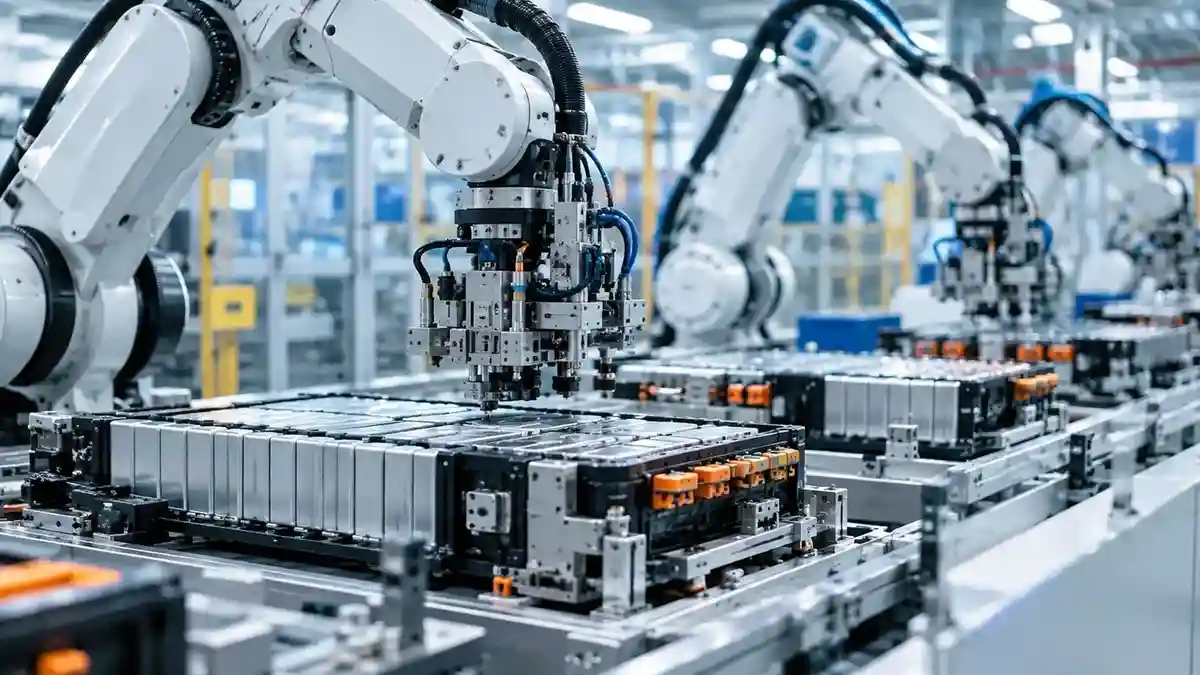
CATL is shipping more batteries than ever, but the money left behind on each unit is shrinking — and that gap sits at the heart of two research notes out today that pull in opposite directions on how worried investors should be.
Per-watt-hour net profit for the third quarter of 2026 is estimated at 0.082 RMB, down from 0.113 RMB a year earlier, according to iFAST Research. The brokerage sees no confirmed recovery in that metric yet and keeps its hold rating on the stock. CLSA, for its part, flags profit risk of its own: in a worst-case scenario it models a sharp year-end decline, yet it continues to rate the shares positively.
More gigawatt-hours, less profit per unit
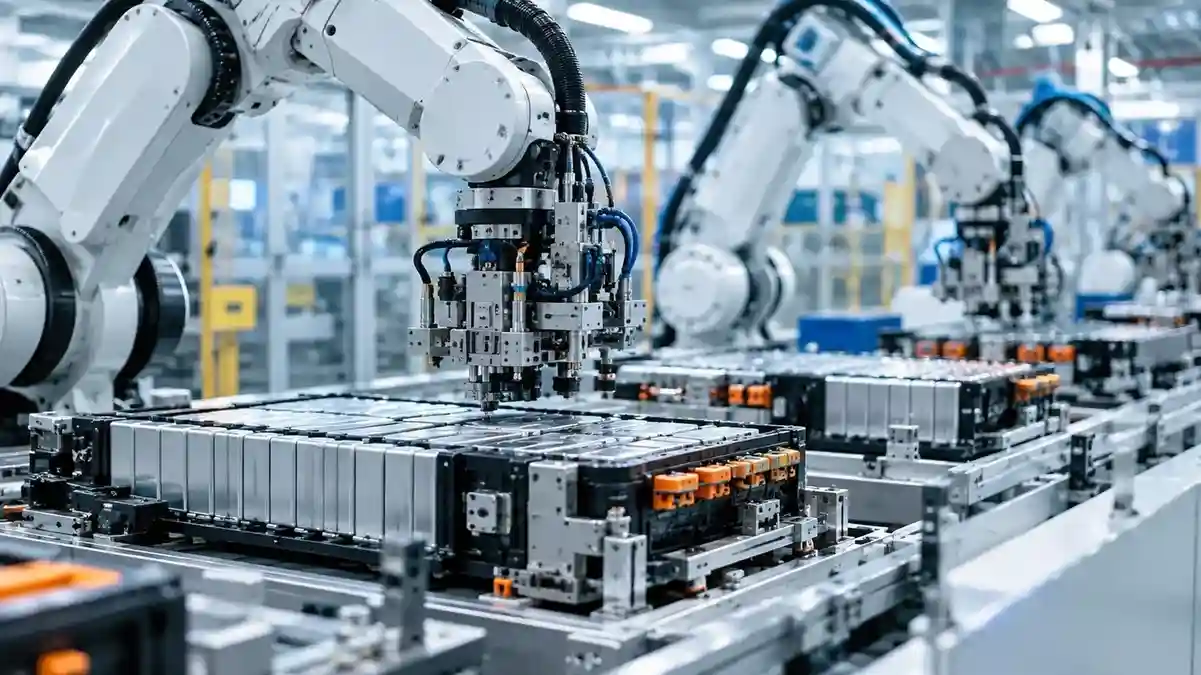
The volume picture is striking. CATL moved more than 260 gigawatt-hours of batteries for electric vehicles and energy storage in the quarter — nearly 60 percent above the prior-year period. Net profit rose 14.5 percent. So the company earned more in aggregate while earning less on every watt-hour it sold.
That divergence is what iFAST wants resolved. The firm is holding out for evidence that per-watt-hour earnings have stabilized before turning more constructive.
Should investors sell immediately? Or is it worth buying CATL?
CLSA's year-end stress test
CLSA sees added pressure building in the final quarter of 2026. In its assessment, CATL is passing on costs tied to consumption tax and VAT rebates on exports to EV customers only with a lag. One-off charges at year-end could pile on top.
Under the harshest assumptions, net profit in the closing quarter could fall to 15 billion RMB — 35 percent below the year-earlier quarter and 30 percent below the preceding three months. For the full year 2026, CLSA considers 80 billion RMB achievable, which would land 11 percent under market expectations.
None of that has shifted the broker's stance. CLSA reaffirms its recommendation on both the A- and H-shares and continues to expect high-conviction outperformance, with targets of 400 yuan on the A-share and 585 Hong Kong dollars on the H-share.
What 2027 really hinges on
The per-watt-hour figure drives CLSA's 2027 modeling. On battery deliveries of 1.13 terawatt-hours — a 15 percent increase year over year — and net profit of 0.07 yuan per watt-hour, CATL would again earn roughly 80 billion RMB. Hitting the market's 104 billion RMB expectation at that same volume would require 0.09 yuan per watt-hour.
The distinction between scenario and rating matters here: CLSA lays out a possible earnings slump while sticking with its view that the stock will beat the market. iFAST, by contrast, wants to see the per-watt-hour number steady itself first.
CATL at a turning point? This analysis reveals what investors need to know now.
A stock under pressure, a debate unresolved
The competing calls land against a backdrop of weakness. The A-share closed today at 204.22 CNY, extending losses after yesterday's slide. The South China Morning Post pointed to a reported cut in production planning and to analysts who expect weak battery demand to weigh on 2027 as well.
Clearer guidance on the outlook may not arrive until the first quarter of 2027, in CLSA's view. Until then, the question for investors extends beyond how many batteries CATL ships — it is how much profit the company keeps from each one.
Ad
CATL Stock: New Analysis - 26 November
Fresh CATL information released. What's the impact for investors? Our latest independent report examines recent figures and market trends.