CATL's Swapping Bet Meets a Profit Test as Margins Thin Out
Published on 10/21/2026 at 16:02 | Editorial boerse-global.de
CATL is pushing deeper into battery swapping for heavy-duty electric trucks while grappling with the weakest earnings growth it has posted in nearly two years. The stock fell 12% on the day, a reaction to a quarterly result that showed revenue racing ahead of profit.
The divergence is the heart of the investor dilemma. According to Caixin, third-quarter 2026 revenue climbed 58.58% to RMB 165.221 billion. Net profit attributable to shareholders, by contrast, grew just 14.54%, reaching RMB 21.246 billion — a 5.77% decline from the prior quarter. Reuters noted the year-on-year profit expansion was the softest in almost two years and landed below analyst expectations.
Several forces are squeezing the bottom line at once. Lower-margin energy storage deliveries are diluting the product mix, while battery consumption tax charges and reduced export rebates add further drag. Intense competition in the battery market and cooling growth in Chinese car sales compound the pressure, Reuters reported. CATL itself said demand is not as gloomy as feared — a comment that eases worries about volumes but does nothing to relieve the margin squeeze.
A Swapping Network Built for Scale
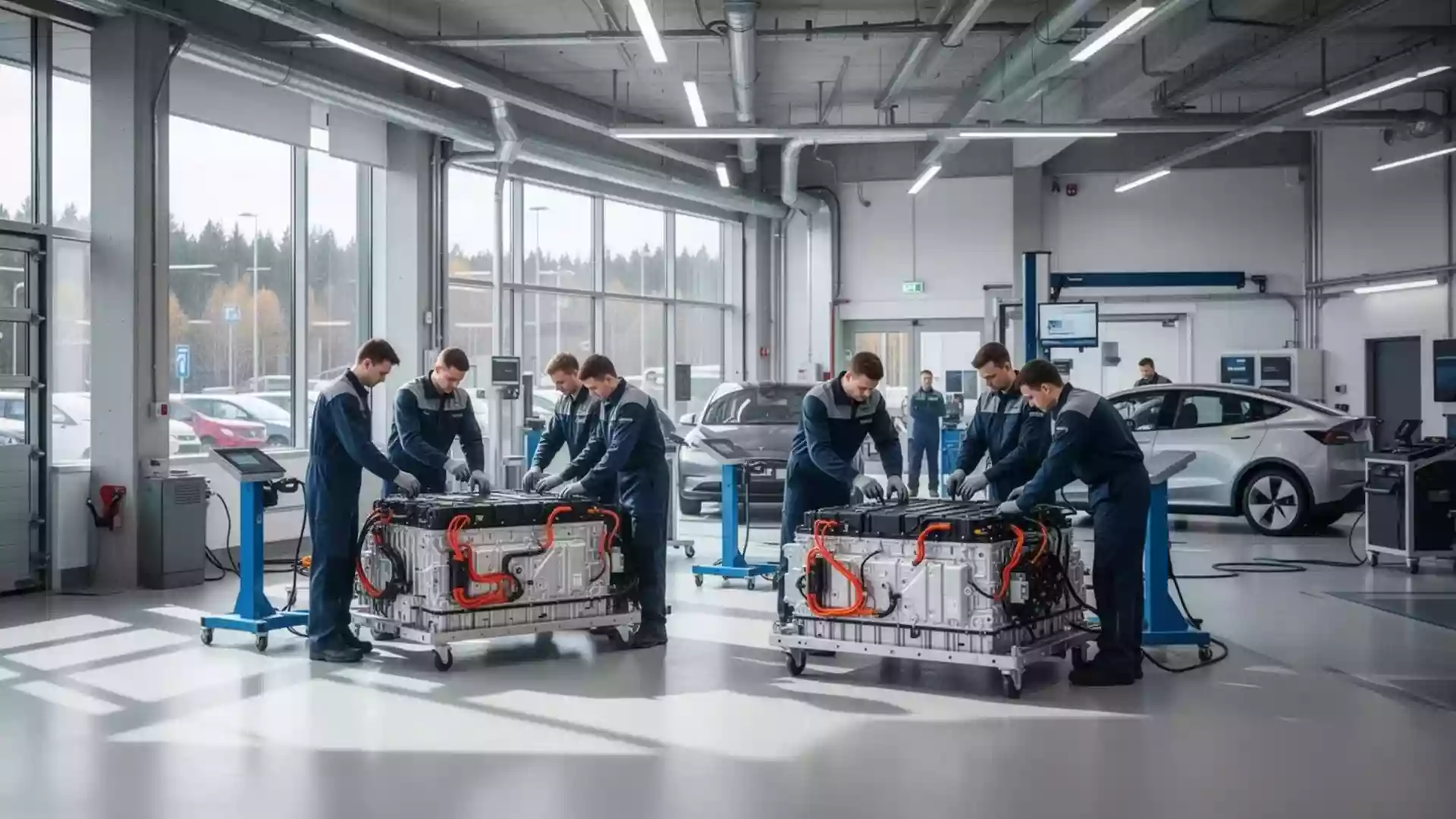
The day before the earnings release, CATL unveiled new batteries for heavy trucks and laid out an aggressive buildout of its Qiji swapping network. The company aims to have 900 truck swapping stations operating across China by the end of 2026, with the network expanding to 2,000 sites by 2027, according to Reuters and MT Newswires. Longer term, CATL and its partners envision a nationwide footprint of 10,000 stations.
Should investors sell immediately? Or is it worth buying CATL?
The technology pairs a standardized swappable battery with a supplementary reserve pack, and CATL says the QIJI system can complete a swap in under five minutes. At the launch event, agreements covering 13,000 units were signed. Rather than requiring customers to buy batteries outright, CATL is leaning on a rental model, with lease costs per kilowatt-hour up to 20% lower on base tariffs. Those figures are framed as potential savings and apply specifically to entry-level pricing.
Investors should weigh signed agreements differently from long-range targets. The 13,000-unit commitments are a firmer step; the station-count goals describe an intended buildout, not an operating reality, and the announced network is no proof of how heavily customers will use it.
Partnerships Broaden the Vehicle Pipeline
CATL is also working to tie swapping more tightly to vehicle makers. DIGITIMES reported on an agreement involving Yinwang Intelligent Technology — a Huawei-affiliated company — CATL and its battery-swapping subsidiary. Separately, CATL and SERES signed a long-term strategic cooperation agreement on October 10 covering additional battery production capacity, battery services and the development of overseas markets.
The company says automakers and partners are increasingly embracing swapping, which it regards as one of the future primary forms of vehicle energy supply. None of these arrangements comes with a quantified earnings contribution, so the distinction between strategic collaboration and financial results remains the key yardstick.
Demand Outlook Underpins the Expansion
CATL expects worldwide demand for power and storage batteries to keep growing in 2027, citing the electrification of commercial vehicles alongside rising storage demand in China and abroad. The company believes the market could hold up better than feared and expects utilization to stay relatively high. The truck-swapping buildout fits that thesis, though it remains an investment in future demand rather than a current earnings driver.
For investors, the contrast is stark: fresh growth projects on one side, margin pressure in the existing business on the other. The expansion plans answer the question of where future business might come from. The quarterly numbers explain why revenue growth alone does not settle concerns about earnings quality. What matters is whether CATL can turn the combination of battery technology, rental offerings and partnerships into a network that is actually used enough to pay off.
Ad
CATL Stock: New Analysis - 21 October
Fresh CATL information released. What's the impact for investors? Our latest independent report examines recent figures and market trends.