CATL's Swapping Ambitions Run Into a Blunt Profit Test
Published on 10/21/2026 at 16:41 | Editorial boerse-global.de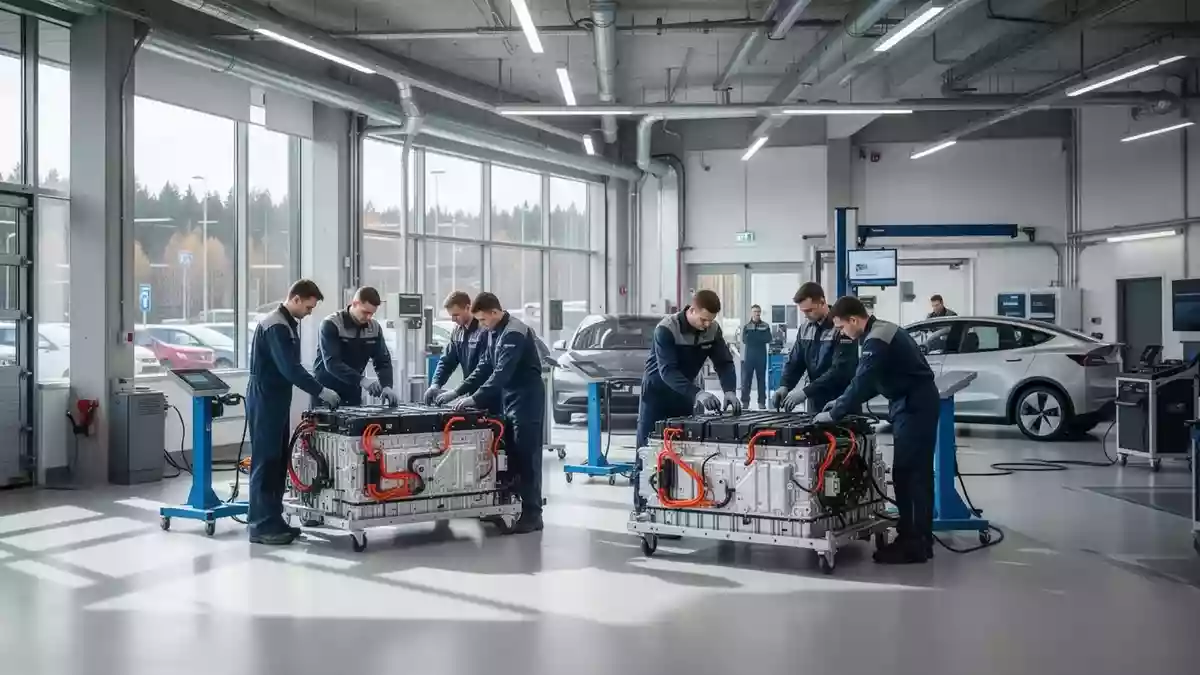
CATL is expanding on two fronts at once — deeper into battery-swapping infrastructure for heavy electric trucks and wider across overseas markets — but Thursday's trading made clear which story investors are pricing right now. The stock fell 12% after quarterly results showed revenue racing ahead of earnings, putting the quality of the company's growth under a harsh spotlight.
At the heart of the selloff is a widening gap between the top and bottom lines. In the third quarter of 2026, CATL booked revenue of RMB 165.22 billion, up 58.58% year on year. Net profit attributable to shareholders came in at RMB 21.25 billion — a gain of 14.54% from a year earlier, but a decline of 5.77% from the prior quarter. Both revenue and profit growth fell short of market expectations, according to Reuters, which pointed to fierce competition in China's EV battery market and cooling growth in car sales.
The shortfall is not simply a matter of two numbers missing consensus. A product mix skewed toward lower-margin offerings weighed on profitability, according to media reports. That explains why the market attached so much weight to the earnings pressure: a blistering pace of sales and shipments is no longer enough on its own to quiet concerns about margins.
Citigroup Trims Its Targets
Citigroup moved quickly, cutting its price targets for both share classes a day after the results. The new mark for the A-shares stands at RMB 479, while the H-share target was lowered to HK$732. The adjustment is a direct valuation response to the quarter rather than a call on when operating profitability might recover — a distinction that matters for anyone reading a target price as a verdict on the business itself.
Meanwhile, the growth engine keeps revving. On October 10, CATL signed a long-term strategic cooperation agreement with the SERES Group covering a planned additional project phase as well as fast charging, battery services and the development of overseas markets. Such ventures open fresh business avenues, though they do little to answer the immediate question of how profitably that expansion will be executed.
Should investors sell immediately? Or is it worth buying CATL?
A Swapping Network Built for Scale
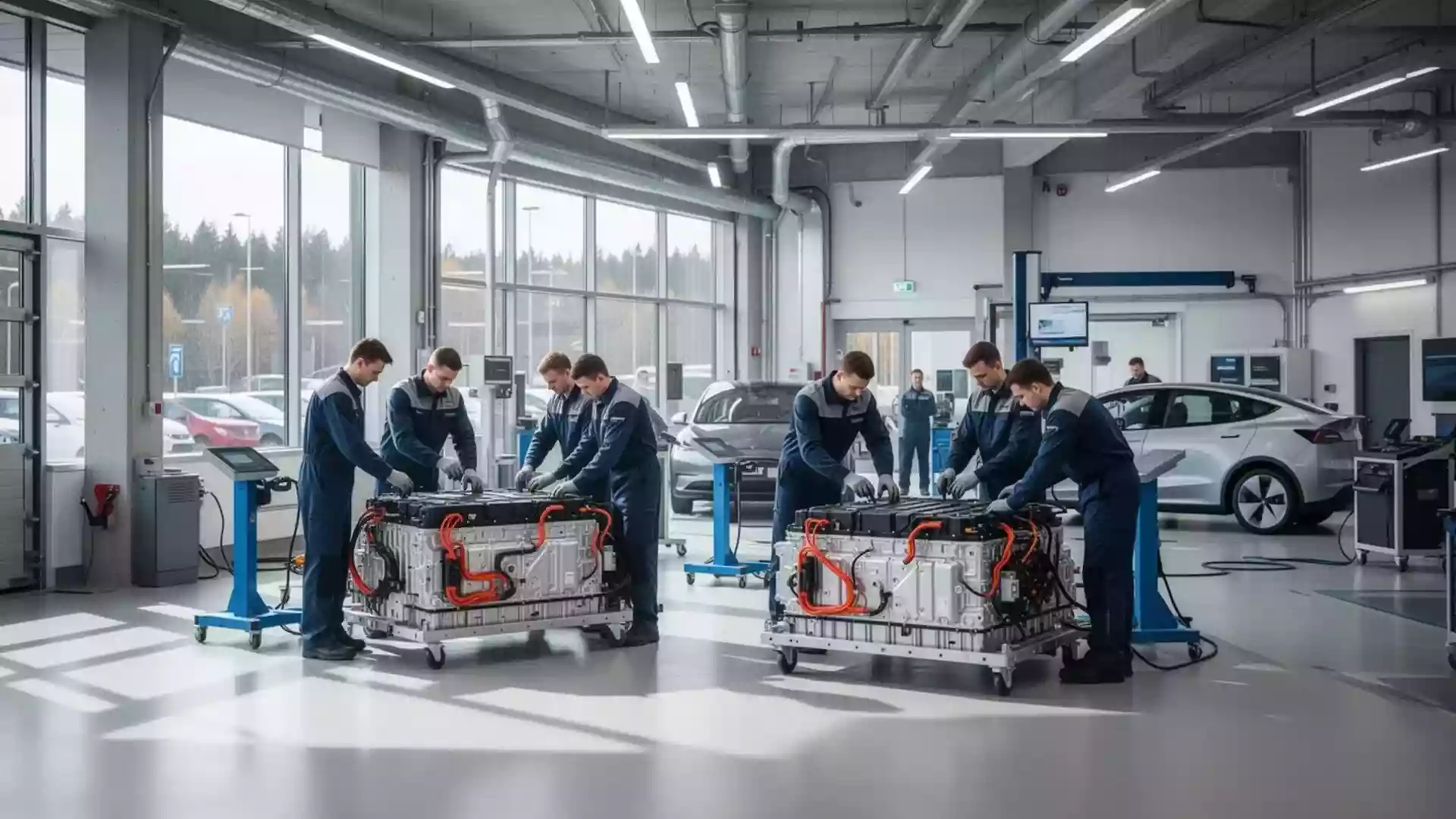
Where CATL sees its next leg of demand is in battery swapping for heavy electric trucks. As MT Newswires reported, the company aims to more than double its station network to 2,000 locations by 2027, building on battery technology unveiled a day earlier.
That system pairs a standardized swappable battery with an additional reserve pack. The new QIJI swapping technology is designed to complete a exchange in five minutes, and 13,000 units worth of agreements were signed at the launch event. By combining the two packs, CATL aims to boost the usable capacity of the main battery, while a rental model — rather than an outright battery purchase — reshapes how customers pay for the setup. According to the company, rental costs per kilowatt-hour can come in up to 20% lower under base tariffs. Longer term, CATL and its partners are targeting a nationwide network of 10,000 stations.
Investors should weigh those figures on different scales. Signed agreements are a more concrete step than long-range buildout goals, and a announced network expansion is not yet proof of how heavily customers will use the stations. The cost advantage, too, is explicitly framed as a potential saving under base tariffs.
Vehicle Partners Join the Push
Alongside the infrastructure build, CATL is working to tie swapping more closely to vehicle makers. DIGITIMES reported on an agreement between Huawei-linked Yinwang Intelligent Technology, CATL and the battery maker's swapping subsidiary. The cooperation adds another vehicle-technology partner to the rollout, and CATL says automakers and partners are increasingly embracing swapping, which it regards as one of the future primary forms of vehicle energy supply. No quantified earnings contribution was attached to the arrangement.
The demand backdrop supports the expansion case. CATL expects worldwide demand for traction and storage batteries to keep growing in 2027, citing the electrification of commercial vehicles among other drivers, with demand for energy storage rising both in China and abroad. In the company's assessment, the market could turn out less weak than feared, and utilization should stay relatively high.
For investors, the yardstick is not the headline count of planned stations. What counts is whether CATL can turn the combination of battery technology, rental offerings and partnerships into a network that is actually used at scale. The signed agreements give the project a concrete foundation; the long-term buildout targets remain just that — plans.
Ad
CATL Stock: New Analysis - 21 October
Fresh CATL information released. What's the impact for investors? Our latest independent report examines recent figures and market trends.