
BASF's Two-Front Strategy: An Agribusiness IPO Takes Shape While the Rhine Tests Ludwigshafen's Limits
Published on 08/19/2026 at 03:24 | Redaktion boerse-global.de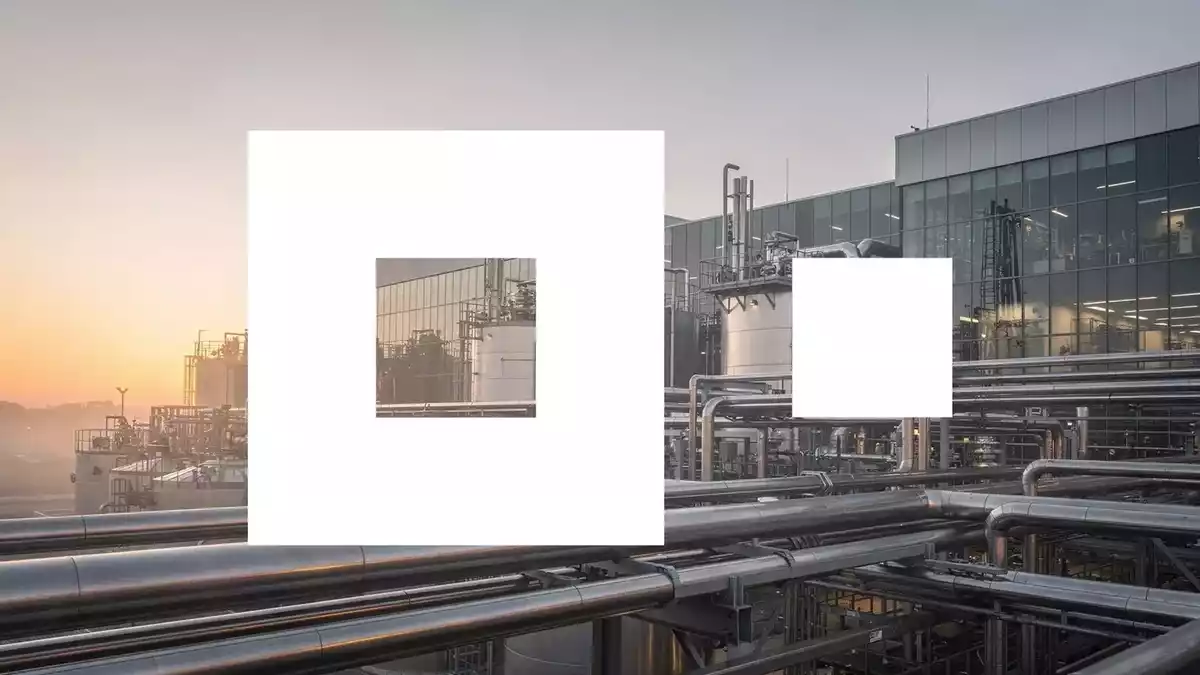
The chemical giant's home base in Ludwigshafen — the largest chemical production site in Europe — is facing one of its most severe logistical tests in decades, yet the company's strategic agenda is pressing ahead on multiple fronts. Record-low water levels on the Rhine have forced BASF to throttle back some output, with deliveries of raw materials and finished goods constrained by the river's diminished capacity.
The gauge at Kaub, a critical chokepoint for river traffic, has fallen to roughly 6 centimeters — well below the previous record low of 25 centimeters set in 2018. Some measuring stations have even registered readings below zero, which market observers describe as the lowest levels since records began. Inland vessels can now carry only a fraction of their normal loads, a constraint that matters enormously for a site that receives around 40 percent of its raw materials by water.
A Familiar Problem, A Different Response
CEO Markus Kamieth has acknowledged that certain products are currently not fully deliverable to customers, though he maintains the situation remains manageable. He draws a direct comparison with the 2018 low-water event, which cost the company €250 million, insisting the current episode is being handled better thanks to contingency measures including shallow-draft specialist vessels and a greater reliance on trucks and rail. The risk of production interruptions, however, increases week by week.
The structural answer to this recurring vulnerability took physical form on Monday with a ceremonial groundbreaking at Ludwigshafen's combined transport terminal. The two oldest transshipment modules are being replaced by a modern facility scheduled for completion in 2028. The investment runs to a low triple-digit million euro figure, with the federal government contributing just under €51 million. Once finished, the terminal will span 260,000 square meters with 13 tracks and multiple new gantry cranes, capable of handling up to 370,000 loading units annually. Federal Transport Minister Steffen Bilger used the occasion to advocate for broader investment in Germany's waterways, noting that low-water conditions are expected to persist into mid-September.
When logistics chains are disrupted, the pressure on your workplace safety documentation only grows — and a missing risk assessment can turn into a serious liability. A free toolkit with 41 ready-to-use templates and checklists helps you document hazards properly and stay compliant even in turbulent times. Download the free Risk Assessment Toolkit
Agribusiness Spin-Off Gains Momentum
While the Rhine demands operational attention, the strategic separation of the Agricultural Solutions division is proceeding on schedule. Board member Livio Tedeschi confirmed that the carve-out of the business in North and South America and Europe is largely complete, with Asia targeted for completion by year-end. The IPO remains slated for mid-2027, with the company aiming for an index listing — potentially SDAX, MDAX, or even DAX, depending on the final valuation. BASF intends to retain a majority stake initially.
The division brings considerable heft to the table: €9.6 billion in 2025 revenue, more than 14,000 employees, and €1 billion invested annually in research and development. The business was acquired from Bayer in 2018 for €5.9 billion. Notably, the ongoing cost-saving program — which is delivering €2.3 billion in annual savings by end-2026 and has already eliminated 7,000 positions — does not extend to the agricultural unit.
The company is simultaneously expanding its agricultural footprint. A new performance lab for diapers and superabsorbents opened in Mumbai, while the Limburgerhof agricultural center is receiving a low double-digit million euro investment in a new Climate Center to bolster research and regulatory expertise. In North America, the second generation of the xarvio CONNECT portable data device for digital farming has been launched.
Capital Returns Continue Uninterrupted
The production constraints have not derailed BASF's capital return program. Between November 2025 and June 2026, the company repurchased €1.5 billion in shares, retiring approximately 3.5 percent of its share capital. A new program running until the end of April 2027 provides for up to €1.0 billion in additional buybacks, part of a €4 billion overall program extending to end-2028. The company also plans to repay bonds and loans with a nominal volume of €1.6 billion early in the third quarter.
The shares have shown resilience despite the operational headwinds. After gaining 1.3 percent on Monday, the stock traded at €51.00, subsequently adding another 1.1 percent to reach €51.06. That leaves the shares roughly 7 percent below their 52-week high of €55.05, set in April, while remaining comfortably above the 200-day moving average of €48.34.
When production sites handle hazardous substances at scale, the paperwork behind those operations matters just as much as the logistics. A free COSHH toolkit provides 43 customisable templates and checklists to help you meet your legal duty to assess risks from dangerous materials — so you can focus on keeping operations running. Get the free COSHH Toolkit
The market's calculus appears to be that the IPO progress outweighs the immediate Rhine disruption — at least for now. The real test comes on October 28, when BASF holds its Q3 2026 earnings call and investors will look for confirmation that Kamieth's confidence in a contained financial impact is justified.


