
BASF's Autumn Calculus: Buybacks, Bargaining and a 50-Megawatt Bet on the Future
Published on 08/24/2026 at 17:32 | Redaktion boerse-global.de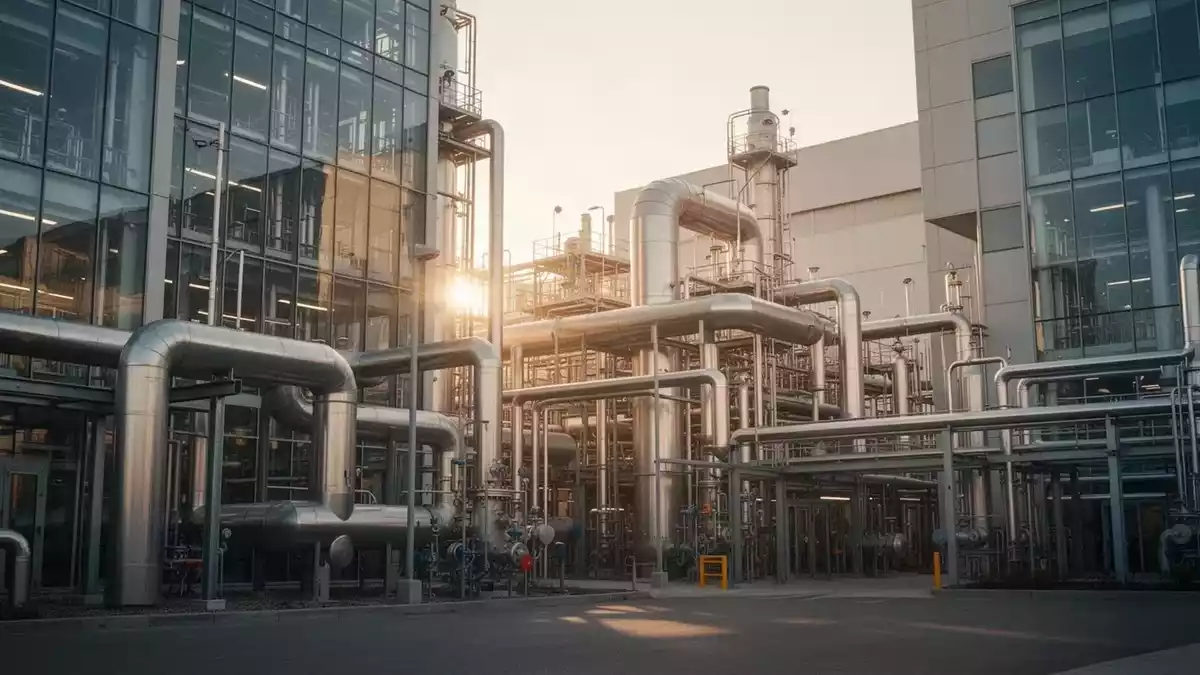
The chemical giant's share price is hovering near its yearly peak, yet the forces that will shape its trajectory through the coming months are assembling far from the trading floor. A 52.64-euro close on Monday puts BASF just 6.3 percent shy of the 55.05-euro high struck in mid-April, and the stock has climbed 16 percent since January. But beneath that surface strength lies a complex interplay of industrial policy, labor politics and a capital returns program that keeps grinding forward.
The Buyback Machine Keeps Turning
Since the current repurchase scheme kicked off on Thursday of last week, the shares have added 2.5 percent — and 4.3 percent since the quarterly numbers landed three weeks ago. The stock now trades 6.8 percent above its 50-day moving average of 49.29 euros, a technical signal that momentum remains firmly in the bulls' corner.
The mechanics are straightforward. Between August 17 and 21, BASF acquired 557,966 of its own shares at volume-weighted daily prices ranging from 50.80 to 51.89 euros. That brings the cumulative total since the program's August 3 start to 1,797,966 shares. The current tranche, authorized for up to one billion euros, runs until the end of April 2027 and forms part of a broader four-billion-euro buyback announced in September 2024, with a deadline of end-2028. Between November 2025 and June 2026, the company had already repurchased roughly 1.5 billion euros' worth of equity.
This steady return of capital provides structural support for the share price, independent of daily headlines. The pattern was visible on Monday as BASF advanced alongside rival Evonik, suggesting the entire chemicals sector is catching a slightly improved bid.
Labor Clouds Gather Over the Rhine
Yet the industrial calendar is filling with potential headwinds. IG Metall is preparing for a hard-fought autumn bargaining round in its central district, which spans Hesse, Rhineland-Palatinate and Saarland — home to roughly 360,000 workers, with another 28,000 in neighboring Thuringia. An action day for the auto industry is scheduled for September 21, with formal demands expected to be formulated in September. Should negotiations collapse, warning strikes could begin as early as November.
The mobilization targets the automotive sector primarily, but the energy-intensive chemicals industry, deeply woven into supplier chains, would likely feel the ripple effects of an escalating dispute. For investors, this is a risk factor that will only crystallize as the year progresses.
A Logistics and Climate Offensive
Meanwhile, BASF continues to pour capital into its Ludwigshafen home base. The company announced Thursday that it is investing more than 100 million euros to expand its combined-transport rail terminal, with the federal government chipping in 51 million euros. The goal: reduce dependence on Rhine water levels, a concern that resurfaced when low water disrupted operations roughly two weeks ago.
Two days later came another investment disclosure: a 50-megawatt industrial heat pump, powered by waste heat from the steam cracker, designed to cut CO2 emissions by up to 100,000 tons annually. Both projects fit a site strategy shaped by a difficult summer on the river and the ongoing corporate restructuring.
Managing the safety risks that come with large-scale industrial operations is no small task — from chemical handling to fire safety to emergency planning. A free toolkit with 41 ready-to-use templates and checklists helps you document hazards properly and stay compliant with UK workplace regulations. Download the free Risk Assessment Toolkit
The agricultural chemicals division — widely seen as a candidate for a future listing — is also active. In Limburgerhof, BASF is building a "Climate Center" for ecotoxicological studies required for crop-protection approvals worldwide, at a cost of around 15 million euros, with completion slated for the first half of 2027.
Pricing Power Meets Cost Pressure
On the commercial front, BASF is testing its pricing muscle. Since Friday, polyalcohol prices in Europe have risen with immediate effect: neopentyl glycol (NPG) is up 250 euros per tonne, 1,6-hexanediol (HDO) by 300 euros per tonne, citing high raw material costs and tight supply. Wednesday saw a separate announcement of NEOL-brand NPG price increases in the United States and Canada, effective September 1. This series of hikes across multiple regions signals an attempt to pass through cost inflation — a development worth watching when the next earnings report arrives.
The Balancing Act Ahead
Analyst sentiment has turned constructive. Konstantin Wiechert of Baader Helvea resumed coverage in mid-August with a "Buy" rating.
The stock closed Friday at 51.60 euros, up 0.5 percent on the day, with a 6.2 percent gain over the past 30 sessions. The German gas storage facilities, however, tell a more cautious story: only 49 percent full in mid-August, versus 67 percent a year earlier — a gap that raises questions about winter supply security, even if no acute shortage is currently anticipated.
For BASF shareholders, the equation is straightforward but not simple. The fundamental strength of recent weeks — buybacks, solid numbers, rising prices — collides this autumn with potentially stiffening headwinds from wage negotiations and energy markets. How that balance tips will likely become clearer once the September bargaining rounds take concrete shape.


