BASF's $1 Billion Geismar Bet Takes Center Stage After Evonik Talks Collapse
Published on 11/22/2026 at 02:51 | Editorial boerse-global.de
BASF has closed the door on acquiring Evonik, and the market now has a concrete yardstick for judging whether the chemicals giant can create value on its own: a newly commissioned MDI plant in Louisiana that carries a price tag of roughly $1 billion.
The Ludwigshafen-based group confirmed on Thursday that it had ended efforts to buy Evonik after the specialty chemicals maker rejected two non-binding cash offers. BASF said it would not raise its price further, arguing that doing so would conflict with the interests of its own shareholders, and reiterated that it intends to stay disciplined on capital allocation.
The stock's reaction was muted and then negative. Shares initially advanced following the announcement that the pursuit was over, but closed Friday down 2.6% at €49.45 in a broadly weak market.
Geismar Comes Online
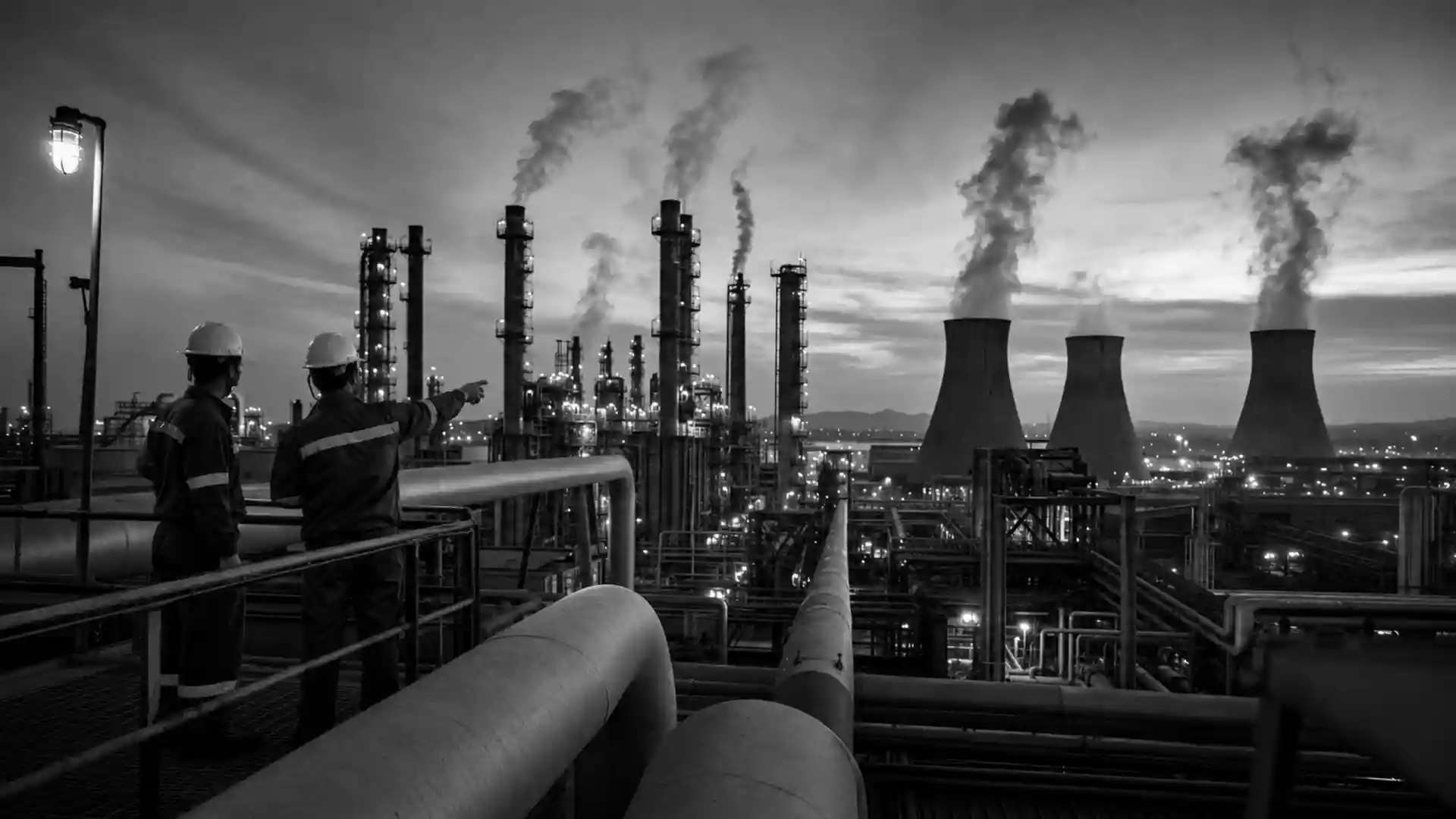
Attention now shifts to the Verbund site in Geismar, Louisiana, where BASF started up a new MDI production facility on November 11. The company put the investment at around $1 billion and the annual capacity of the entire site at approximately 600,000 tonnes — a figure that applies to the whole complex, not to the new plant alone.
Should investors sell immediately? Or is it worth buying BASF?
That distinction matters. For investors, the question is not how large the facility is but what additional earnings it can generate. Bringing a plant online completes an operational step; available capacity on its own says nothing about actual utilization rates or profitability. The gap between the two is more important for the share price than the scale of the asset.
Nor can the investment be measured against whether Geismar replaces a potential Evonik acquisition. An in-house production project and a takeover draw on different sources of return. The more sensible benchmark is whether BASF can use the new capacity in a way that justifies the capital deployed.
A Separate Question From Evonik
Should BASF manage to run the plant at profitable utilization, Geismar could support the valuation of the existing business — without Evonik returning to the negotiating table and without BASF raising its offer. The upside case rests on executing a project the company has already commissioned. Any resumption of talks would have to be assessed on its own terms.
Bernstein Research kept its "Outperform" rating and €59 price target on Thursday. Analyst James Hooper said further discussions remained possible despite the withdrawal. Jefferies, by contrast, maintained an "Underperform" rating and a €44 target. The research house acknowledged strategic merits in an Evonik deal but flagged risks tied to a European focus and to synergies, suggesting a fresh attempt would not automatically be positive — the expected benefit would still have to justify the price and the risks.
The RAG-Stiftung, Evonik's largest shareholder, said on Friday it regretted that the two management boards had not entered into deeper talks. It reaffirmed its goal of gradually reducing its Evonik stake.
BASF at a turning point? This analysis reveals what investors need to know now.
Buyback and Project Pipeline
Alongside the deal news, BASF reported on November 16 the repurchase of around 591,000 of its own shares, bought between November 9 and November 13. Since the program began on August 3, the company has bought back roughly 8.54 million shares in total through the end of that period.
Two other initiatives round out the pipeline. BASF and DWE GmbH announced on Wednesday a collaboration to advance modular plants producing methanol from renewable sources, with DWE contributing its power-to-liquid process technology and BASF supplying its SYNSPIRE methanol synthesis catalysts. Separately, BASF Agricultural Solutions said on November 16 that it will further develop and globally commercialize its Nemasphere soybean trait for nematode resistance, expecting availability in the US and Brazil from 2028 and pegging peak sales potential at more than €300 million.
Utilization Data Is the Next Marker
As long as Geismar's potential is judged mainly by capacity, the bullish case hinges on the assumption that BASF can use that capacity profitably. The first hard company figures on utilization or earnings contribution are therefore the next test. If they support the prospect of a sustainable profit contribution, the valuation would rest on firmer ground without Evonik. If they point to weak returns, the argument for a higher multiple would lose weight. The plant is built; its worth to the share price must now be proven in operation.
Ad
BASF Stock: New Analysis - 22 November
Fresh BASF information released. What's the impact for investors? Our latest independent report examines recent figures and market trends.