BASF Pairs Buyback With Louisiana MDI Start-Up, But Jefferies Sees a Profit Gap
Published on 11/17/2026 at 08:20 | Editorial boerse-global.de
BASF has returned roughly 591,000 of its own shares to the treasury in a single week, the company disclosed, while simultaneously firing up a new MDI production train in Louisiana and pushing a nematode-resistant soybean trait toward commercialization. The three announcements land against a less flattering backdrop: Jefferies cut the chemical maker to "Underperform" on November 11, with analyst Priyanka Patel flagging shrinking margins, persistent overcapacity, elevated gas prices and a demand recovery that has yet to materialize.
The buyback, executed between November 9 and November 13, brought cumulative repurchases under the program to about 8.54 million shares. BASF stock shed 1.2% in the prior session.
A Billion-Dollar Train Comes Online
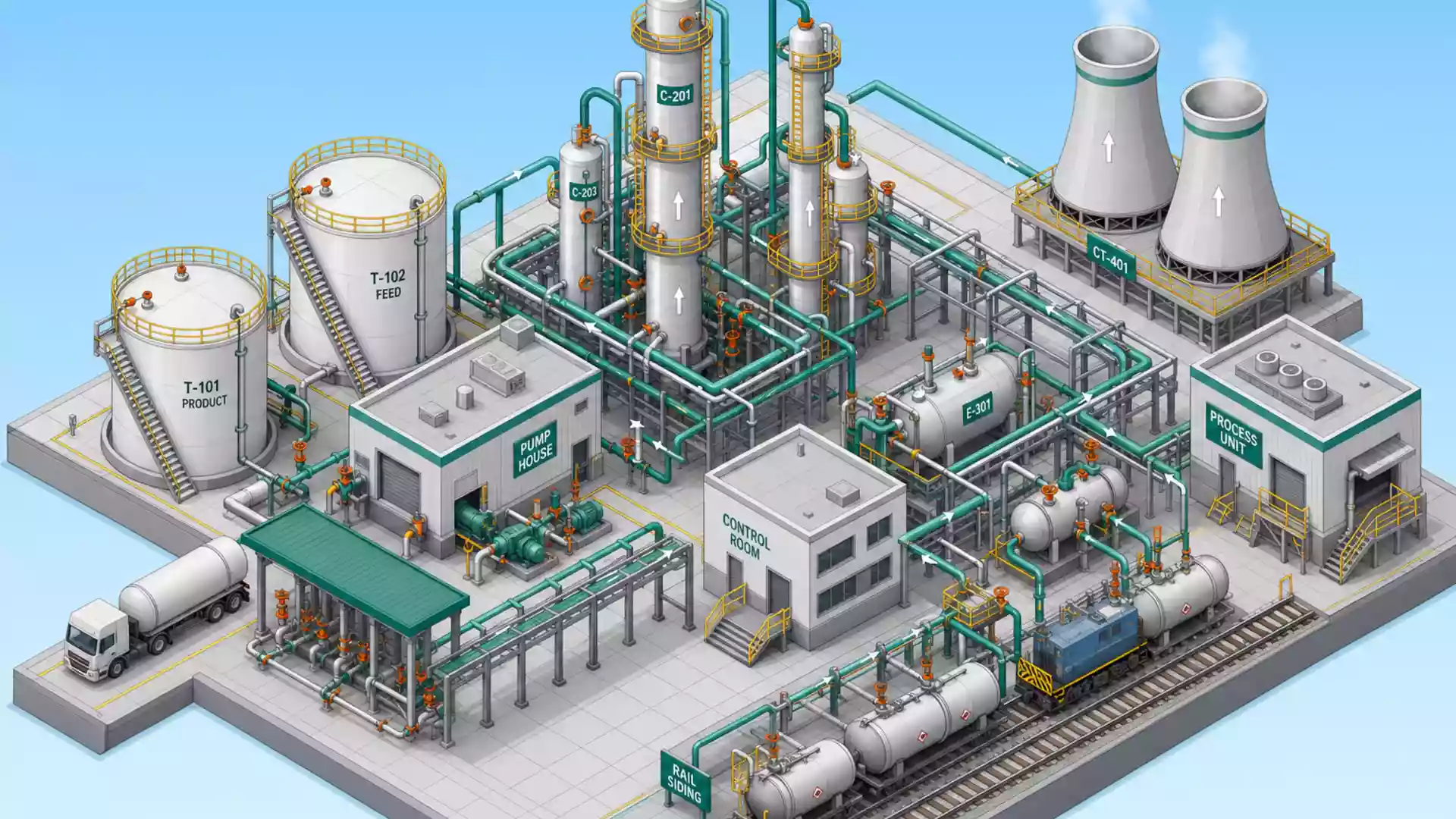
At the Geismar complex in Louisiana, BASF officially commissioned its new MDI plant on November 11. The investment totaled roughly USD 1 billion and lifts annual MDI capacity at the site to about 600,000 metric tons. Unlike the soybean trait, this is hardware already running — a completed capital project rather than a promise.
The distinction matters for how investors weigh the news flow. Additional capacity and an expanded product slate create options; they do not by themselves translate into earnings. Nor does the buyback answer that operational question, since it changes the share count rather than the profit pool.
Soy Trait Targets a 2028 Debut
BASF Agricultural Solutions, meanwhile, is advancing Nemasphere, a soybean trait designed to resist nematodes. Management pegs peak sales potential at more than EUR 300 million, with launches in the U.S. and Brazil slated for 2028. According to the company, the latest EU import approval completes the clearances currently required in key export markets.
Should investors sell immediately? Or is it worth buying BASF?
That timeline sits years out, so the trait belongs in a different bucket from Geismar: one is a finished investment, the other a long-dated product prospect. Both feed into the investment case, but neither substitutes for proof of extra operating profit.
An Earlier Milestone in Europe
Closer on the calendar is a planned switch in the European business. From January 2027, BASF intends to run its polyisobutene portfolio for external customers entirely on renewable electricity. That is a more tangible execution step than the 2028 seed launches, though it is no guarantee of higher earnings either.
In a favorable scenario, the pieces complement each other. Geismar could contribute to the business while BASF prepares the Nemasphere rollouts, sparing investors from betting on a single forthcoming product. A convincing bull case, however, would only emerge once the company extracts economic value from measures already taken and those still in the pipeline. The buyback can round out that picture but should not be its load-bearing pillar.
The Bear Case Hinges on Earnings
Jefferies' stance cuts directly against the optimistic reading. Patel left her price target at EUR 44 while downgrading the stock, and she expects 2027 operating profit to come in 5% below consensus. Her concerns — margin compression, surplus capacity, costly gas and sluggish demand — point to a scenario in which profit risks mount just as the longer-term projects still need to prove themselves.
That combination would make the wait until the planned launches weigh more heavily. Completed buybacks would not offset such operational weakness; they do not alter the question of whether BASF earns enough from its investments and products. Should profit risks intensify, operating development would deserve more weight than either the repurchase program or the prospect of new products.
For now, the stock can be read as a pairing of capital already deployed with product opportunities still maturing. The next concrete date is the January 2027 power switch for European polyisobutene; Nemasphere's 2028 launches remain the more distant reference point. The decision ultimately rests less on any single release than on each investor's own expectations for earnings — those betting on the product story need patience and must carry execution risk, while those demanding operational confirmation will watch whether today's created possibilities actually turn into economic progress.
Ad
BASF Stock: New Analysis - 17 November
Fresh BASF information released. What's the impact for investors? Our latest independent report examines recent figures and market trends.