Almonty's 16% Friday Slide Exposes the Gap Between a Metal Trade and a Mine
Published on 11/21/2026 at 16:21 | Editorial boerse-global.de
Friday's 16% drop in Almonty shares had little to do with tungsten itself. A firmer US dollar and rising rate expectations weighed on precious and industrial metals across the board, and Almonty moved with them — a reminder that the stock trades to the rhythm of the metals market as much as to its own news flow.
The other side of the story sits in Sangdong, South Korea, where the question is not one trading session's mood but how far the company has actually advanced in producing tungsten concentrate.
Two Steps, Not One
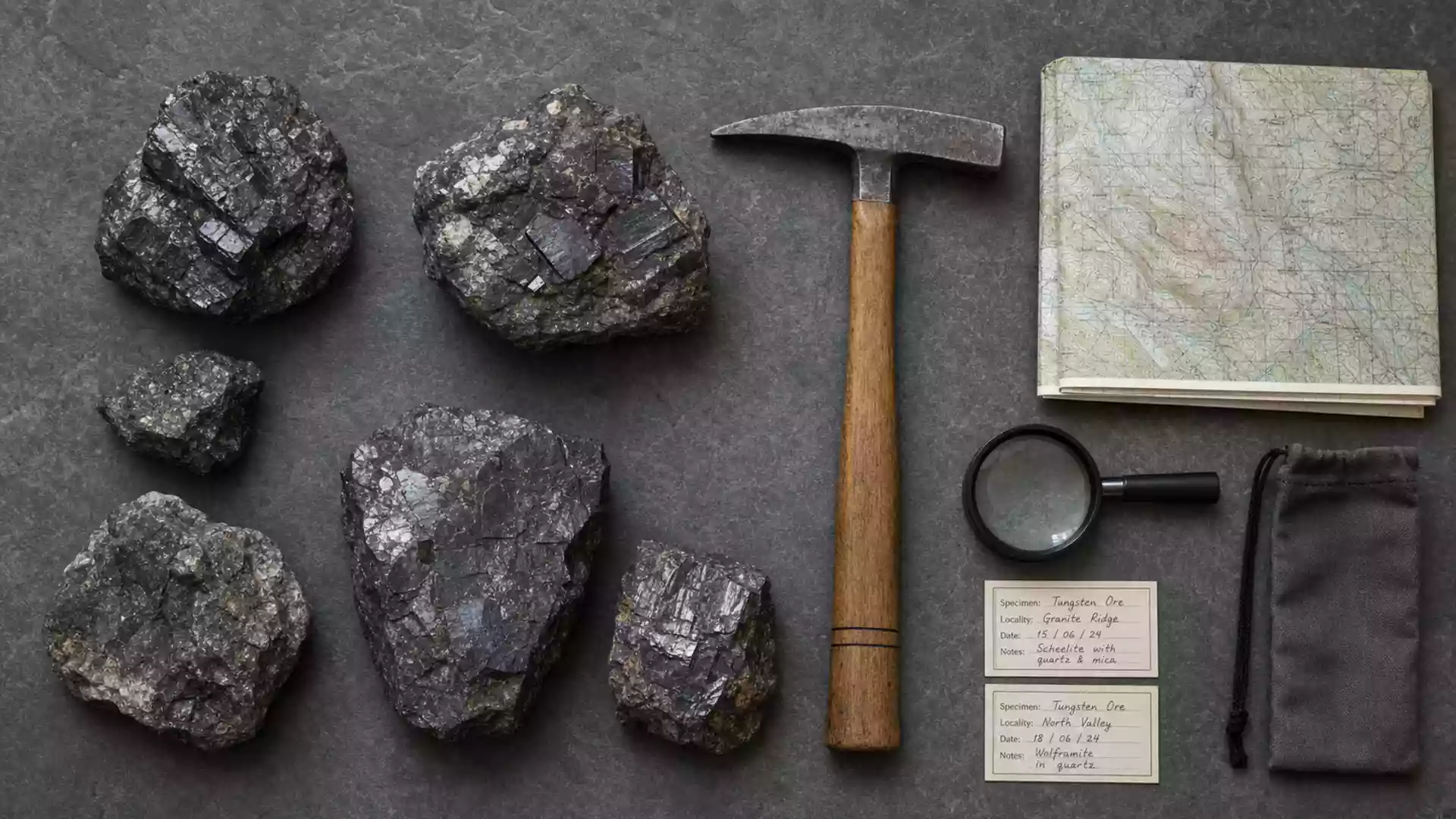
Sangdong poured its first tungsten concentrate in September — the first output from the site in 33 years. After the quarter closed, the first container of concentrate was loaded in Busan. Production and shipping are distinct milestones, and on a day when industrial and precious metals came under simultaneous pressure, it is worth keeping that operational progress in view.
The more telling question is how that progress will show up in the financials. A single loaded container is a concrete step, but on its own it says little about the earnings the business can sustain. Reading a quarterly report also means knowing exactly what each figure measures.
What the Net Profit Actually Contains
On 12 November, Almonty reported third-quarter 2026 revenue of C$41.9m and adjusted EBITDA of C$14.6m. Look only at the bottom line and a different picture emerges: net profit came in at C$50.2m, including C$47.9m in non-cash gains from the revaluation of derivatives and warrants. That revaluation belongs in reported earnings, but it is not cash from selling concentrate — a distinction that matters more for judging the operating business than the size of the profit number itself.
Should investors sell immediately? Or is it worth buying Almonty?
Two Analysts, Two Different Yardsticks
Diamond Equity Research cut its fourth-quarter 2026 earnings-per-share estimate to US$0.04 from US$0.14 on 17 November. That is a lower expectation for the quarter, not a reported result, and it should not be conflated with either the first production or the headline net profit. In the same Almonty-funded note, the firm lowered its illustrative value per share to US$18.40, assuming weaker tungsten prices, a slower production ramp-up and a delayed timeline for Phase II. Valuation therefore hinges not only on where tungsten prices go but on when Almonty reaches expected volumes.
B. Riley Securities made its own adjustment the same day, trimming its price target to US$18 from US$20 while keeping a Buy rating. The two moves measure different things: Diamond Equity Research expects less quarterly earnings per share, while B. Riley Securities set a lower target for the stock.
Contracts Cover Volume, Not Timetable
According to Almonty, more than 90% of Phase I production is already contracted. If the plant lifts output, the company will not have to find buyers for most of its planned volume — shrinking the key uncertainty around Sangdong to whether contracted tonnes become actual deliveries. A second outlet sits in Spain, where Almonty reported a multi-year supply agreement with a take-or-pay obligation for tungsten trioxide from the reprocessing residues at Los Santos. The minimum quantity is around 1,720 tonnes of contained tungsten trioxide. That contract covers different volumes from Sangdong and broadens the sales base without serving as proof of the Korean ramp-up.
Where the Risk Sits
The scale of the downgrade shows how far expectations have already fallen. Beyond the fourth quarter, Diamond Equity Research cut its 2027 earnings-per-share estimate to US$0.67 from US$1.04. Should the ramp-up fall short even of these more cautious assumptions, contracted volumes would be no substitute for missing output, and weaker tungsten prices would, on the analysis's logic, add further pressure on valuation.
Separately from operations, Deutsche Rohstoff on 17 November put its claims against Almonty in Canada at around US$67m, relating mainly to conversion rights and outstanding loans. Almonty has filed its own suit, the proceedings have been consolidated, and the figure is a claim — not a fixed payment.
The Next Test Is Tonnage
As long as Almonty can raise output at Sangdong and serve its contracted volumes, the more cautious earnings outlook can be measured against operational progress. Weaker-than-assumed production growth or a further slip in Phase II would give more weight to the scenario of a later earnings contribution; contract coverage would remain a sales advantage but no substitute for missing tonnage. The next concrete checkpoint is Almonty's next disclosure on the Sangdong ramp-up. Higher reported output would support the more favourable case, while evidence of progress on the Phase II expansion would shape how the second stage is judged.
Ad
Almonty Stock: New Analysis - 21 November
Fresh Almonty information released. What's the impact for investors? Our latest independent report examines recent figures and market trends.