Your Trusted Dental Practice in Berlin Steglitz: Medicine, Aesthetics and Gentle Care Under One Roof
Published on 03/16/2026 at 07:01 | Editorial responsibility: Rafael Müller, Editor-in-Chief AD HOC NEWS
Moving to a new country is exciting, but it can also be unsettling when it comes to something as intimate and important as your health. Many internationals in Berlin only start looking for a dentist when a filling breaks, a tooth suddenly hurts or a long-postponed treatment can no longer wait. At that moment, practical questions appear all at once: Will the dentist speak English? Will I understand the treatment plan and the costs? Will they take my fears seriously? And will the quality of care match what I was used to at home?
In Berlin, the search for a reliable dental practice can feel overwhelming. There are many options, but not all dental clinics are equally transparent, and the German healthcare system can seem complex. For many expats and new residents, the idea of sitting in a dental chair while not fully understanding what is happening is itself a source of anxiety. That is why a practice that combines clear communication, medical depth and genuine empathy is so valuable.
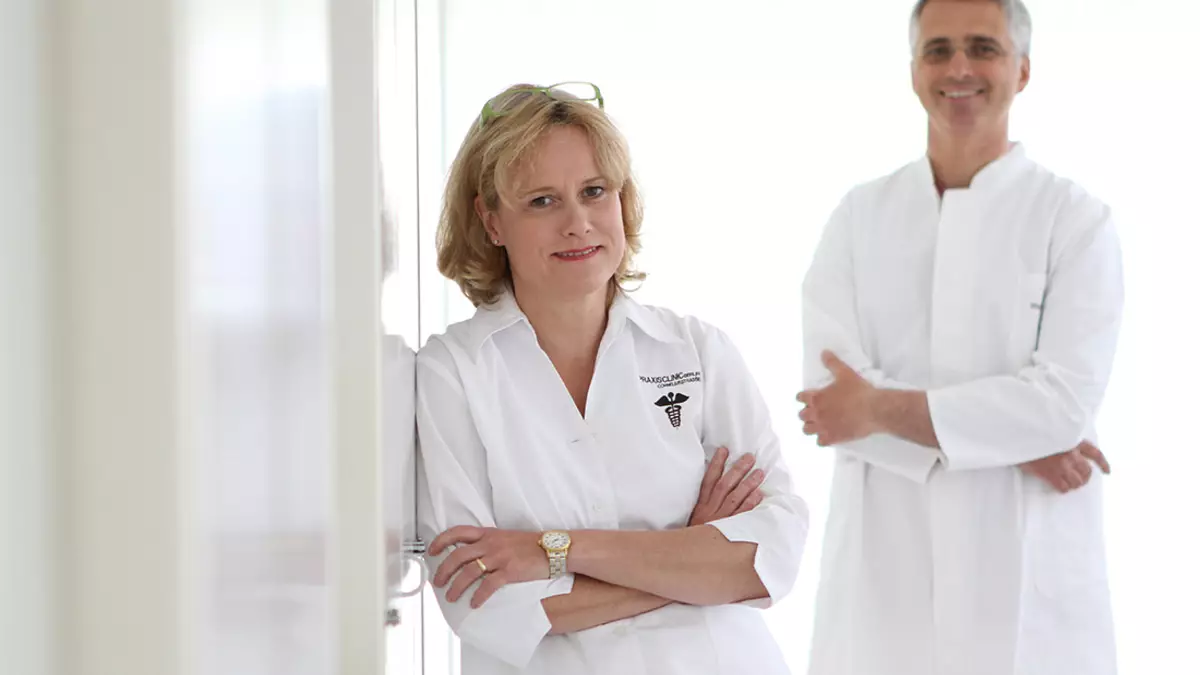
In Berlin Steglitz, close to the lively Schloßstraße and the residential districts of Berlin Southwest and Zehlendorf, Zahnarzt-Praxis Berlin Steglitz (Dental Practice Berlin Steglitz – Dr. Djamchidi & A. Jannack) has built its reputation precisely on that combination. The team provides modern dentistry in a classic Berlin Altbau setting, with a unique medical profile: a double-approbated physician and dentist for implantology and oral surgery, and a specialist focused on tooth preservation, endodontics and aesthetic dentistry.
This article explains in detail what makes this Dental Practice in Berlin Steglitz special, how its double medical and dental expertise benefits patients, and what you can expect from your first visit as an international patient.
For many people, dental anxiety is not just a mild discomfort. It can be shaped by childhood experiences, traumatic treatments, or simply by growing up in a health system where communication felt rushed or dismissive. When you then move to a new country, even a routine check-up can feel like a major emotional hurdle.
In Germany, dental care is generally of very high standard, but the cultural expectations can be different. Appointments are scheduled precisely, administrative processes involve German forms and insurance documents, and medical vocabulary can quickly become intimidating. Expats and international students often report postponing visits because they feel unsure whether they will be understood in English, whether the dentist will explain options in a balanced way, or whether a second opinion is welcome.
At the same time, many patients have very specific expectations: they want minimally invasive treatments whenever possible, they want to preserve their natural teeth, and they want to know that any implantology or oral surgery is carried out with maximum safety. They also want a practice that takes their fears seriously, offers options for sedation or twilight sleep, and does not judge them for having delayed treatment.
Zahnarzt-Praxis Berlin Steglitz is designed to address exactly these needs. The practice offers comprehensive diagnostics, a clear focus on tooth preservation (tooth conservation and root canal treatment), and specialist implantology that is firmly grounded in both dentistry and general medicine. For international patients, the fact that English is spoken and that explanations are given in an accessible, non-technical way is especially reassuring.
The heart of the practice is the unusual professional background of Dr. Djamchidi. He holds a double approbation: he is both a fully qualified physician and a dentist, with specialization in ENT (ear, nose and throat) and extensive experience in implantology and oral surgery. This double degree (MD and DDS equivalent) is rare and brings a significant safety advantage for complex treatments.
Why does this matter for something as «local» as a dental implant? Because the mouth is not an isolated system. Your jaw, your maxillary sinus floor, your airways, your general health and your medications all play a role when planning surgical procedures. A physician-dentist understands these connections at a deep level.
Take, for example, implantology in the upper jaw. When placing an implant in the region of the premolars or molars, the surgeon must work very close to the maxillary sinus, a hollow cavity above the roots of the upper teeth. Over time, after tooth loss, the bone volume in this area tends to shrink and the maxillary sinus can expand downward. This means there may no longer be enough bone height to securely anchor a standard implant.
In such cases, a sinus lift is often recommended. This is a procedure in which the membrane lining the maxillary sinus floor is gently lifted, and bone material is placed underneath to increase the height and quality of the bone. This is delicate work: the surgeon must understand not only the local bone but also the sinus anatomy, the neighbouring nasal structures, the ventilation pathways and the risk factors for sinusitis or other ENT complications.
Here, the combination of ENT and dental expertise is particularly valuable. As an ENT specialist, Dr. Djamchidi is trained to evaluate the entire nasal and sinus system, to interpret radiological images not only from a dental perspective but also with a physician’s view of the respiratory tract, and to assess potential risks like chronic sinus inflammation, polyps or anatomical variations. As a dentist and implantologist, he can then translate this understanding into precise, minimally invasive surgical planning.
For patients, this means:
1. More comprehensive diagnostics: Three-dimensional imaging, such as CBCT (cone beam computed tomography), can be evaluated with dual expertise. The relationship between the planned implant site, the maxillary sinus floor and the nasal structures is analysed in detail. This reduces the risk of unpleasant surprises during surgery and helps avoid complications.
2. Tailor-made implant concepts: Not every patient needs the same implant size or procedure. Some may require bone augmentation, others may benefit from shorter implants or angled placement techniques. A double-qualified oral surgeon can weigh these options not just in terms of bone mechanics, but also with a view to sinus health, airway function and overall medical condition.
3. Safer treatment for patients with general health issues: Many adults needing implants are on regular medication, for example for high blood pressure, diabetes, blood thinning or autoimmune conditions. A physician-dentist like Dr. Djamchidi can read and interpret medical reports in their own right, communicate on an equal level with your general practitioner or specialist, and adjust the treatment plan accordingly. This includes decisions about antibiotic prophylaxis, pain management and postoperative care.
4. Better management of complex oral surgery: Beyond implantology, oral surgery can include the removal of difficult wisdom teeth, cyst surgery, apicoectomies (surgical root tip resections), and treatment of infections near the sinus floor. A deep understanding of ENT structures ensures that such interventions remain as minimally invasive as possible, with post-operative swelling and pain kept under control.
5. Clear, medically grounded second opinions: Many patients come to Zahnarzt-Praxis Berlin Steglitz specifically for a second opinion on implantology or oral surgery. Here, they can discuss whether the proposed procedure is really necessary, which alternatives exist and how the treatment interacts with their overall health. This reinforces trust and gives patients the security of making an informed decision.
Everything in this approach reflects a «double view»: seeing the mouth both as a dentist and as a physician. For patients who are anxious, who have complex medical histories or who simply want to be absolutely sure that safety is the top priority, this is a decisive advantage.
While implantology and oral surgery are essential pillars of the practice, they are not the starting point for every treatment. In fact, the philosophy of Zahnarzt-Praxis Berlin Steglitz can be summed up as: «Saving the tooth before replacing it». This philosophy is embodied by dentist Annette Jannack, who focuses on endodontics, tooth preservation and aesthetic dentistry.
Endodontics is the field of dentistry that deals with the inside of the tooth: the dental pulp, the nerve and the root canals. When deep caries or trauma reaches this area, bacteria can invade, causing inflammation and pain. In the past, such teeth were often extracted. Today, advanced root canal treatment allows many of these teeth to be preserved for years or even decades.
Root canal treatment has a reputation for being unpleasant. However, when performed with modern techniques and careful pain management, it can be precise and surprisingly comfortable. At Zahnarzt-Praxis Berlin Steglitz, endodontics is approached with the same level of detail and respect often reserved for implantology. Microscopic dentistry and magnification are used to visualise fine root structures, and special instruments help clean and shape the canals while preserving as much healthy tooth substance as possible.
The process typically involves several steps:
1. Diagnosis and planning: In-depth clinical examination and radiographs (or in complex cases, three-dimensional imaging) reveal the extent of damage, the shape of the roots and the presence of any hidden canals or lesions. This step is crucial, as it defines whether a tooth is still worth preserving or whether alternative options should be considered.
2. Gentle access to the root canals: Under local anesthesia, an opening is made in the tooth to reach the pulp chamber. Modern techniques aim to keep this access as small as possible to maintain the strength of the tooth, a key aspect of minimally invasive dentistry.
3. Cleaning and disinfection: The infected or inflamed tissue is removed from the root canals with fine instruments. The canals are then carefully irrigated with disinfecting solutions to remove bacteria and debris. The goal is to create a clean, biocompatible environment inside the tooth, reducing the risk of reinfection.
4. Three-dimensional filling: Once the canals are clean and dry, they are filled with a special material, usually gutta-percha, in combination with a sealing cement. This fills the entire root system, preventing bacteria from returning.
5. Final reconstruction: Because root-treated teeth can become more fragile over time, they are often reinforced with an inlay, onlay or crown. Aesthetics play a major role here: modern materials allow for restorations that are both durable and visually harmonious with the rest of your teeth.
Annette Jannack’s focus on tooth preservation reflects a deep respect for the biological value of natural teeth. Whenever possible, she will discuss options to save a tooth rather than immediately replacing it with a prosthetic solution. This is not only a question of costs, but also of long-term oral health: each preserved tooth maintains jawbone stimulation and helps stabilise the bite.
At the same time, she integrates aesthetic considerations into everyday treatments. Small corrections, high-quality fillings, ceramic restorations and whitening must all respect the natural shape, light reflection and colour gradient of the teeth. The aim is not an artificial «Hollywood» effect, but a fresh, natural and confident smile that fits the person.
For many patients, particularly those who have delayed treatment out of fear, a dentist who combines technical precision with empathy and an eye for aesthetics can be the key to finally addressing long-standing issues.
Dentistry is not only about teeth; it is about people. Zahnarzt-Praxis Berlin Steglitz knows that many new patients arrive with elevated tension or outright dental anxiety. Some may have had painful experiences in the past, others may feel ashamed about the state of their teeth or guilty for having avoided check-ups. The practice’s philosophy is to meet these feelings with respect, not judgement.
From the reception to the treatment room, the atmosphere is designed to be calm and welcoming. As an English-speaking Dental Practice, the team takes the time to explain each step, from the anamnesis form to the treatment options. When patients know what is happening and why, their sense of control increases and anxiety often decreases.
For those with pronounced dental anxiety or gag reflex, additional support options can be discussed. These may include gentle sedation methods (often referred to as twilight sleep), which allow the patient to remain responsive but deeply relaxed, or, where appropriate, deeper sedation coordinated with anesthesiology partners. Pain management is individualised, and the practice is careful to avoid overstimulation.
Some patients also appreciate complementary support, such as homeopathic remedies or relaxation techniques, as part of their experience. While such measures do not replace scientific dentistry, they can meaningfully support the emotional side of the healing process. The important point is that fears are taken seriously and openly addressed rather than being dismissed.
The result is an «anxiety-free» concept in a very practical sense: creating conditions in which even previously fearful patients can receive necessary treatments and gradually rebuild trust in dental care.
The practice is located in Berlin Steglitz, a district where urban life meets residential tranquillity. Nearby Schloßstraße is one of the main shopping streets in Berlin Southwest, easily accessible from many parts of the city as well as from neighbouring Zehlendorf. For patients coming by car, the area offers parking possibilities typical of this part of town, and public transport connections are well developed, with buses and U-Bahn stations not far away.
The building itself is a classic Berlin Altbau, with high ceilings, stucco details and the unmistakable charm that characterises much of Steglitz’s architecture. Many patients appreciate this authentic atmosphere, which feels more like a piece of Berlin history than a sterile clinic environment.
However, historical architecture also comes with practical realities. The practice rooms are located in an older building without elevator access. This means that stairs must be used to reach the Dental Practice. It is important to mention this clearly: the premises are not barrier-free, and wheelchair access is unfortunately not possible due to the building structure.
For mobile patients, the stairs are simply part of the classic Berlin experience: climbing up to an Altbau practice with original details, stepping into a space where tradition meets modern dental technology. For those with limited mobility, the team is happy to discuss realistic options in advance, but they will also honestly indicate where the architectural limits lie.
This transparent communication reflects the practice’s general attitude: patients should know what to expect – medically, organisationally and logistically.
For many internationals, the first visit to a new dentist in Germany is both a medical and a cultural experience. To help you imagine it, here is a typical patient journey at Zahnarzt-Praxis Berlin Steglitz, from making the appointment to completing initial treatment.
1. Making the appointment: You can contact the practice by phone or online. As an English-speaking Dental Practice in Berlin Steglitz, the team can respond to your questions in English and explain which documents you may need to bring, such as your health insurance card or private insurance details. If you are anxious or considering a second opinion on implantology or root canal treatment, you can mention this right away so that enough time is planned for your consultation.
2. Arrival and first impression: On the day of your appointment, you make your way through Steglitz, perhaps passing the shops and cafés near Schloßstraße. You enter the historic building, walk up the stairs typical for a Berlin Altbau and arrive at the practice door. Inside, the atmosphere is calm and orderly. The team greets you, helps you with any forms (in German or, if needed, explained in English), and invites you to take a seat.
3. Anamnesis and conversation: Before any treatment, a detailed anamnesis is taken. This includes your medical history, medications, allergies, past dental experiences and your wishes. For expats, this is often a relief: you can explain in English what happened in previous treatments, what concerns you, and what you hope to achieve. If you have brought previous X-rays or reports, Dr. Djamchidi will review them from both a dental and a medical perspective.
4. Clinical examination and diagnostics: A thorough examination follows. This includes checking teeth, gums, bite, existing restorations and, if relevant, implant sites or endodontic issues. Depending on the situation, digital X-rays or three-dimensional imaging may be recommended. If you are considering implantology near the maxillary sinus floor, you will see how precisely the bone situation is analysed. For suspected root canal problems, the tooth is tested with specific methods to assess vitality and pain response.
5. Explanation of findings: One of the core strengths of Zahnarzt-Praxis Berlin Steglitz is the way findings are communicated. Instead of simply presenting you with a finished treatment plan, the team explains what they see: where decay is present, which teeth can still be preserved, where inflammation might be hiding, and how this connects to your general health. The language used is clear and patient-friendly. You are encouraged to ask questions, to request alternative options and to take your time.
6. Treatment planning and options: Together, you discuss realistic scenarios. For a damaged tooth, this might be a root canal treatment with a crown versus extraction with an implant or bridge. For missing teeth, you explore different implant concepts, including whether a sinus lift is needed, how many implants are advisable and which materials are most biocompatible for you.
If you have dental anxiety, scheduling can be adapted. Sometimes, the first actual treatment is kept short and simple, to build trust step by step. Sedation or twilight sleep options are considered for longer or more invasive procedures.
7. Prophylaxis and prevention: Even if your main concern is a specific problem tooth or an implant, prophylaxis is always part of the plan. Professional teeth cleaning, guidance on oral hygiene and, where needed, individual prophylaxis programmes help stabilise your oral environment. This reduces the risk of future caries, supports gum health and protects both natural teeth and implants.
The practice sees prophylaxis not as an optional extra, but as the foundation for long-term tooth preservation and implant success.
8. Treatment sessions: Depending on your individual plan, one or more appointments follow. For endodontics, Annette Jannack performs root canal treatment under magnification, with careful anaesthesia and step-by-step explanation. For implantology or oral surgery, Dr. Djamchidi carries out minimally invasive procedures whenever possible, respecting soft tissue and bone to promote faster healing.
Throughout, pain control is a priority. Local anesthesia, calming communication and, in selected cases, sedative support ensure that treatment remains as comfortable as modern dentistry can make it.
9. Postoperative care and follow-up: After surgery or extensive procedures, you receive clear instructions for aftercare, written down and, if needed, explained in English. Follow-up appointments are scheduled to monitor healing, adjust prosthetic elements and ensure that everything functions well. For implants, this includes long-term maintenance concepts to protect the bone and gums around the implants.
10. Long-term partnership: The ultimate goal is not just to solve your current problem, but to become a long-term partner in your oral health. Regular check-ups, prophylaxis intervals and open channels for questions help you feel secure – even in a healthcare system that initially felt foreign.
Over time, many international patients report that their dental anxiety decreases significantly. They start to see visits not as emergencies, but as part of a normal health routine. This is one of the greatest compliments a Zahnarzt can receive.
What sets Zahnarzt-Praxis Berlin Steglitz apart is not only its convenient location in Berlin Southwest or its authentic Altbau charm. It is the rare combination of deep medical expertise, strong focus on tooth preservation and a genuinely human approach.
On the one hand, you have a double-approbated physician and dentist with ENT background, providing implantology and oral surgery at a level that integrates knowledge of the maxillary sinus, airways and general health. This is especially important for complex procedures such as sinus lifts, challenging implant placements or oral surgery in medically compromised patients.
On the other hand, you have a dentist whose passion lies in preserving teeth through advanced endodontics, microscopic dentistry and minimally invasive restorations, combined with a refined sense of aesthetics. The philosophy of «Zahnerhalt vor Zahnersatz» – tooth preservation before prosthetic replacement – guides decisions throughout the practice.
Added to this are an anxiety-aware environment, options for sedation and twilight sleep, and an openness to second opinions. As an English-speaking Dental Practice, the team understands the concerns of expats and international residents: navigating German bureaucracy, interpreting insurance coverage, and bridging language gaps during medical explanations.
The building may not be barrier-free, and access involves climbing stairs in a historic Steglitz Altbau. Yet, once you step inside, you find a modern, medically sophisticated environment that combines the best of German dental standards with a welcoming, international mindset.
If you are looking for a Dental Practice in Berlin Steglitz where you can feel heard, where complex treatments like implantology, oral surgery and root canal treatment are anchored in solid medical knowledge, and where tooth preservation and aesthetics go hand in hand, Zahnarzt-Praxis Berlin Steglitz (Dr. Djamchidi & A. Jannack) is an excellent choice – for both locals and the many internationals who now call Berlin home.
Disclaimer regarding our articles: No investment advice, no buy or sell recommendation. Information on prices, companies, and markets is provided without guarantee; changes are possible at any time. Stock market transactions can lead to substantial losses. Our articles are created and reviewed in whole or in part automatically with the support of AI.