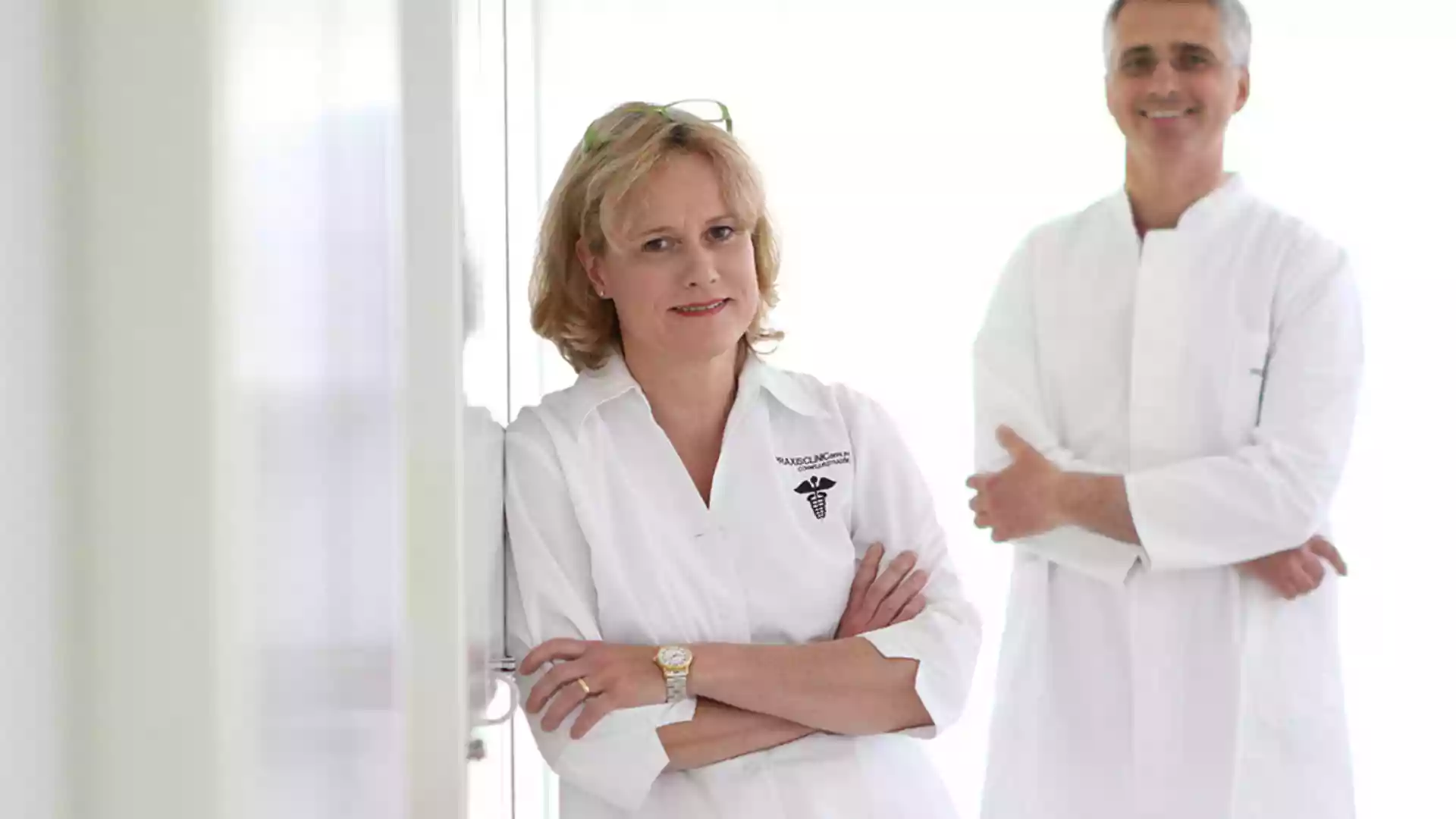
Your Trusted Dental Practice in Berlin Steglitz for Expats and Locals
Published on 03/17/2026 at 07:01 | Editorial responsibility: Rafael Müller, Editor-in-Chief AD HOC NEWS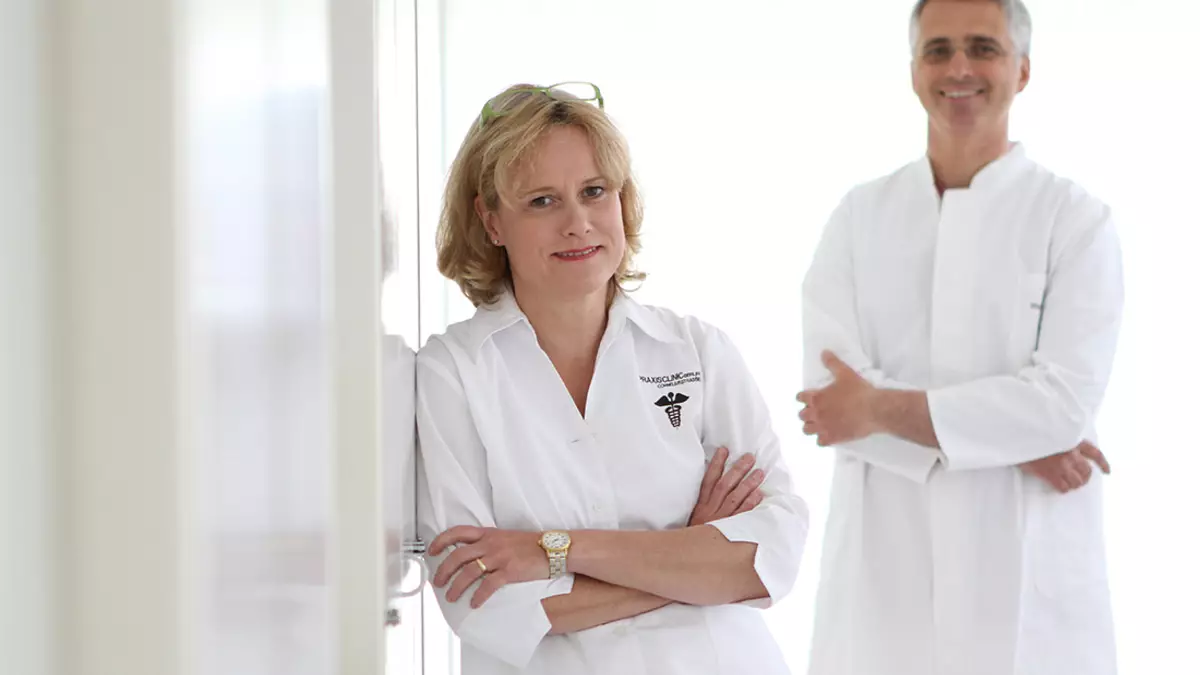
Finding a dentist in a new country is rarely just about teeth. If you are an expat in Berlin, you are probably also looking for someone who understands your language, your fears, and the healthcare standards you are used to from home. You may have heard stories about the German healthcare system, about different insurance models, complex forms, and the challenge of explaining something as personal as dental anxiety in a language that is not your own.
For many international residents in Berlin, the search for a truly trustworthy Dental Practice can take months. You ask in Facebook groups, gather recommendations from colleagues, and scroll endlessly through online reviews. But beyond ratings and photos, you are really looking for two things: medical excellence and a human connection. You want a team that explains clearly, listens without rushing, and has the training to handle complex cases safely and gently.
In Berlin Steglitz, not far from Schloßstraße and the residential districts of Berlin Southwest and Zehlendorf, Zahnarzt-Praxis Berlin Steglitz (Dr. Djamchidi & A. Jannack) offers exactly this rare mix. It is a Dental Practice that combines modern Implantology, Oral Surgery, and Tooth Preservation with a strong focus on communication and patient comfort. For expats, another reassuring factor is the option to speak to an English-speaking dentist who can guide you through every step of your treatment.
Many new patients arrive with long histories: postponed check-ups, half-finished root canal treatments from another country, or a broken crown that suddenly becomes an emergency. Others carry deep-seated dental anxiety, often dating back to childhood experiences. In a new city, far from the dentist you used to trust, this anxiety can easily become a reason to keep delaying much-needed care. Over time, this avoidance can turn small problems into major issues.
At Zahnarzt-Praxis Berlin Steglitz, the team understands that your first appointment is not just about cleaning or filling a cavity. It is often about rebuilding your confidence in dentistry itself. The practice philosophy is clear: technical excellence matters, but it only truly helps when combined with empathy, explanation, and respect for your fears and wishes. This is especially important in a city like Berlin, with its diverse international community and many different expectations regarding medical treatment.
One of the most distinctive features of this Dental Practice in Berlin Steglitz is the medical background of its lead practitioner, Dr. Djamchidi. Unlike most dentists, he holds a double approbation: he is both a fully qualified physician and ENT specialist, and a licensed dentist. This combination is particularly valuable in the fields of Implantology and Oral Surgery, where the border between dentistry and general medicine is fluid.
From a patient perspective, the advantages of this double degree may not be immediately obvious, but they are highly relevant to safety and planning. Dental implants, sinus lifts, and other surgical procedures do not take place in isolation. They are performed in a region rich in delicate structures: the maxillary sinus floor, the nasal cavity, important nerves, blood vessels, and the airways. A practitioner who understands this area both as a dentist and as an ENT specialist can evaluate risks, plan interventions, and respond to complications with a broader medical perspective.
Take, for example, the popular procedure of placing implants in the upper jaw. When teeth have been missing for a while, the bone in the posterior maxilla often becomes thinner and less dense. In such cases, a sinus lift may be required to create enough bone height for stable implant anchorage. This involves carefully lifting the Schneiderian membrane, which lines the maxillary sinus, and placing bone material beneath it. For patients, the words "maxillary sinus floor" and "sinus lift" can sound intimidating. But for a physician who is also an ENT specialist, this region is familiar territory.
Because of his ENT training, Dr. Djamchidi is deeply familiar with sinus anatomy, mucosal health, and ventilation pathways in the midface. He can evaluate pre-existing sinus conditions such as chronic sinusitis, polyps, or anatomical variations that might influence implant planning. This means that before any Oral Surgery is performed, your airways and sinus structures are assessed with a physician's eye. The benefit for you as a patient is simple: greater safety and more predictable healing.
Another important advantage of double approbation in Implantology is the broader systemic view. An implant is not just a screw in the bone. It is a medical device that interacts with your circulation, your immune system, and your overall health profile. Conditions such as diabetes, osteoporosis, or blood-thinning medication can influence wound healing and infection risk. A practitioner trained as both physician and dentist can interpret laboratory values, coordinate with other specialists, and adjust the implant plan to your individual medical situation.
For example, if you are taking anticoagulants, the timing and technique of Oral Surgery may need modification. If you suffer from chronic ENT issues, such as recurrent sinus infections, these should ideally be stabilized before a sinus floor elevation or implant placement in the posterior upper jaw. This integrative approach minimizes complications such as sinus perforation, infection, or prolonged swelling. In addition, understanding biocompatibility from both a medical and dental angle helps in selecting appropriate implant materials and bone substitutes.
Communication is another area where the double view pays off. Complex procedures like sinus lifts or bone augmentation can be explained not just from a technical dental standpoint, but also in terms of general health, breathing, and long-term quality of life. Many patients are reassured when they realize that the same doctor who evaluates their sinus health is also responsible for their implants. This continuity reduces the need for multiple referrals and ensures that your treatment plan is coherent from start to finish.
For expats, the presence of an English-speaking dentist with this dual background is particularly valuable. It allows you to ask detailed questions about sedation options, interaction with current medications, and long-term prognosis in a language you fully understand. Whether you are considering a single tooth implant or a more complex restoration, you can discuss not only the aesthetic outcome but also functional aspects such as chewing, speech, and interaction with adjacent anatomical structures.
While Implantology and Oral Surgery are essential pillars of the practice, there is an equally strong focus on Tooth Preservation. This is where the expertise of dentist Annette Jannack comes into play. She has a special emphasis on Endodontics and Aesthetics, combining advanced root canal treatment techniques with a clear philosophy: saving the tooth whenever it is medically reasonable. In German, this approach is often summarized as "Zahnerhalt vor Zahnersatz" – tooth preservation before replacement.
Endodontics, the discipline concerned with the inside of the tooth, is often misunderstood. Many patients think of root canal treatment as something to be feared. In reality, modern microscopic dentistry has transformed this field. When performed carefully and under magnification, root canal therapy can reliably save teeth that would once have been removed. This is crucial, because a natural tooth anchored in your own bone is still the gold standard biologically, even in an era of high-quality implants.
During a root canal treatment, the goal is to remove inflamed or infected tissue from the root canals, disinfect these microscopic structures, and then seal them in a way that prevents re-infection. Under the microscope, tiny accessory canals, cracks, or complex root anatomies become visible. For the patient, this means a higher success rate and a more comfortable experience. Instead of multiple trial-and-error sessions, the treatment can often be planned precisely, with clear steps explained in advance.
At Zahnarzt-Praxis Berlin Steglitz, careful Endodontics is not seen as an inconvenience, but as a central part of comprehensive care. When you present with pain, an abscess, or a darkened tooth, the first question is not how quickly it can be extracted and replaced, but whether it can reasonably be preserved. An English-speaking dentist like Annette Jannack will walk you through detailed imaging, explain the condition of your tooth in simple terms, and outline the prognosis for different options: root canal treatment, retreatment of an older root canal, or – if necessary – extraction followed by Implantology.
This transparent discussion is especially helpful for expats who may come with previous treatments done in other countries. Maybe you have a root canal that was never completed, or you have been told that a tooth cannot be saved. Seeking a second opinion in a calm, friendly environment can be extremely valuable. Even if the final decision is to place an implant, you will know that all reasonable preservation options have been considered.
Cosmetic considerations also play a role. Aesthetics is not just about bright white teeth, but about natural harmony of shape, color, and gum line. After successful Endodontics, the crown of a tooth often needs to be rebuilt. Here, materials and technique matter. High-quality ceramic restorations can blend seamlessly with the surrounding teeth, providing both strength and beauty. When you smile, you do not want others to see dentistry; you simply want them to see you.
To support Tooth Preservation in the long term, the practice places strong emphasis on Prophylaxis – professional cleanings, gentle removal of plaque and calculus, and thorough guidance on home care. Regular visits not only reduce the risk of decay and gum disease; they also allow early detection of problems that may require Endodontics or restorative treatments. For patients with prior dental trauma or complex root canal histories, this ongoing care is especially important to maintain stability.
Many people, whether local residents of Steglitz or newly arrived from abroad, carry a burden that makes every dental appointment a challenge: dental anxiety. This anxiety can be mild – a nervous feeling in the waiting room – or so intense that someone avoids dentists entirely for years. For expats, this is often compounded by fear of not being understood, worry about unfamiliar procedures, and uncertainty about costs and insurance coverage in Germany.
The team at Zahnarzt-Praxis Berlin Steglitz explicitly addresses this issue. The environment is designed to be calm and personal rather than clinical and anonymous. From the first phone call or online inquiry, you are encouraged to talk openly about your fears, previous experiences, and expectations. Being heard is often the first step in overcoming dental anxiety.
During treatment, several options are available to make procedures more comfortable. For more sensitive patients, minimally invasive techniques and gentle local anesthesia are standard. Where appropriate, the practice can offer sedation or so-called twilight sleep, which is a form of conscious sedation in which you remain responsive but deeply relaxed. This can be especially helpful for longer sessions in Implantology or complex Endodontics, as well as for patients with pronounced dental phobia.
In addition, some patients appreciate supportive measures such as homeopathic remedies or calming rituals before and after treatment. While these do not replace evidence-based procedures, they can contribute to an atmosphere in which you feel seen as a whole person rather than just a set of teeth. The combination of modern techniques, sedation options, and a genuinely warm team helps transform the image of the "Zahnarzt" from something to fear into a partner in your wellbeing.
A key element in reducing anxiety is clear, patient-friendly explanation. The dentists take time to outline each step of your visit: what will happen, how it will feel, and how long it will take. Radiographs, intraoral photos, and models are used to make invisible processes visible. For expats, having this information in fluent English is crucial. You are not expected to guess meanings or sign documents you do not fully understand. Instead, you are invited to ask questions until you feel safe and informed.
The practice is located in the heart of Berlin Steglitz, a district known for its mix of lively shopping streets and quiet residential areas. Close to Schloßstraße, one of Berlin Southwest's main commercial arteries, Zahnarzt-Praxis Berlin Steglitz sits in a classic Altbau – a historic building typical for the city. Like many of these charming structures, it does not have an elevator. Access to the practice is via stairs, which means it is not fully barrier-free.
Rather than glossing over this fact, the team addresses it openly. For some patients with limited mobility, this may require advance planning or may not be ideal. At the same time, many people appreciate the authentic Berlin atmosphere that comes with an Altbau setting: high ceilings, original architectural details, and a sense of history that contrasts pleasantly with the modern equipment inside the treatment rooms.
The location is well connected by public transport, making it convenient for residents of Steglitz, Zehlendorf, and the wider Berlin Southwest area. Bus and U-Bahn lines along Schloßstraße provide easy access from other neighborhoods. For those arriving by car, parking options in the surrounding streets are generally good by Berlin standards, especially outside peak shopping hours. This combination of centrality and neighborhood character makes the practice easy to integrate into your daily life, whether you come from a nearby side street or from another district.
Stepping into a new Dental Practice, especially in a foreign country, can feel a bit like stepping on stage. You are not sure what will be expected of you, what forms you must fill in, or how many appointments will follow. To make this more tangible, imagine your first visit to Zahnarzt-Praxis Berlin Steglitz as a clear, structured journey.
Your experience typically starts even before you enter the building. On the website, available also for English speakers, you can gather initial information about the services, philosophy, and team. You may send an email, fill out a contact form, or call the reception, where staff will explain what basic information is needed and how your insurance status (public, private, or international coverage) will be handled. This first contact is already an opportunity to mention if you have dental anxiety or if you are interested in a second opinion on Implantology or Endodontics.
On the day of your appointment, you arrive at the Altbau building in Steglitz and walk up the stairs to the practice. Once inside, you find a welcoming, personal atmosphere rather than a busy clinic corridor. After registering, you may fill out an anamnesis form. For expats, this is often a moment of worry, but staff are ready to help clarify medical terms or translate key points if necessary. Your general health, medications, allergies, previous surgeries, and any ENT or sinus issues are recorded carefully, which is particularly important given the practice's focus on Implantology and Oral Surgery.
In the consultation room, your dentist takes time to talk. The first minutes are not about drills or instruments, but about listening: What brings you here today? Are you in pain, or are you looking for a long-term plan to restore your oral health? Do you have previous X-rays or treatment records from abroad? How do you feel about dental visits in general? This conversation sets the basis for a trusting relationship and allows your English-speaking dentist to tailor the examination to your needs.
Next comes the clinical examination. The dentist checks your teeth, gums, bite, and jaw joints. If necessary, radiographs are taken to assess roots, bone levels, and the maxillary sinus floor. In cases where Endodontics is relevant, special attention is given to teeth with large fillings, previous root canals, or signs of infection. For Implantology or Oral Surgery planning, the anatomy of the upper and lower jaw is analyzed in detail, sometimes with the help of three-dimensional imaging.
After this, the dentist will sit down with you to explain the findings. Using simple language, supported by images or drawings, they outline the current state of your oral health. Perhaps one tooth requires root canal treatment to preserve it; perhaps another area shows bone loss that could later affect implant stability. Prophylaxis needs – such as professional cleaning intervals – are also discussed, so you can prevent new problems rather than constantly treating old ones.
Based on this information, a step-by-step treatment plan is created. If you have come for a second opinion, the dentist will honestly compare different approaches: for example, whether to attempt retreatment of a problematic root canal or proceed directly to extraction and implant placement. The concept of Zahnerhalt vor Zahnersatz is always weighed against your personal situation, finances, and long-term outlook. You are encouraged to ask questions about biocompatibility of materials, expected healing times, and sedation or twilight sleep options in case of longer procedures.
Once you feel fully informed and comfortable with the plan, appointments are scheduled according to urgency and your preferences. An acute infection or severe pain will be addressed quickly; more complex Implantology steps may be scheduled after initial Prophylaxis and stabilization of gums and existing teeth. Throughout the process, the practice remains in close contact with you, reminding you of upcoming visits and checking on your wellbeing after major interventions.
During actual treatment sessions, the focus is on gentle, minimally invasive techniques wherever possible. For Endodontics, this means using fine instruments, microscope-enhanced vision, and disinfecting solutions to clean the root canals thoroughly yet conservatively. For Oral Surgery and Implantology, precise planning allows small incisions, efficient handling of the maxillary sinus floor when required, and careful suturing to minimize swelling and discomfort. Pain control is taken very seriously, with local anesthesia adapted to your individual sensitivity, and sedation considered for especially anxious patients.
After treatment, clear post-operative instructions are given in English and German, including guidance on medication, diet, and oral hygiene. Follow-up visits monitor healing, particularly in regions close to the maxillary sinus or in previously infected root canal areas. Over time, as you experience the consistency and thoroughness of care, your initial fear and mistrust gradually give way to a sense of partnership.
In the long term, many patients choose to remain with Zahnarzt-Praxis Berlin Steglitz for regular Prophylaxis, check-ups, and aesthetic improvements. The practice becomes not just the place where an emergency was solved, but a stable medical home for your oral health in Berlin.
Choosing a Dental Practice in a city as large and diverse as Berlin can feel overwhelming, especially if you are an expat navigating a new language and healthcare culture. Zahnarzt-Praxis Berlin Steglitz (Dr. Djamchidi & A. Jannack) stands out because it combines high-level medical competence with authentic human warmth and clear communication.
On one side, there is the unique double approbation of Dr. Djamchidi, uniting the perspectives of a physician, ENT specialist, and dentist. This is not an abstract credential; it has concrete benefits in Implantology and Oral Surgery. Your implants and sinus lifts are planned by someone who knows the maxillary sinus floor, nasal cavity, and surrounding structures not only from dental X-rays but from comprehensive ENT training. Systemic health issues, medications, and sinus conditions are integrated into your treatment plan, raising safety and predictability.
On the other side, there is the strong focus on Endodontics, Tooth Preservation, and Aesthetics led by dentist Annette Jannack. Instead of rushing to replace teeth, the team explores all realistic options to save what nature has given you. Modern microscopic dentistry, careful root canal treatment, and high-quality restorations ensure that Zahnerhalt vor Zahnersatz is more than a slogan; it is a daily practice.
Layered onto this medical depth is a thoughtful approach to dental anxiety and expat needs. Sedation and twilight sleep are available for those who require them, and minimally invasive techniques are used as a matter of principle. As an English-speaking dentist team, they invest time in explanation and shared decision-making, so you always understand what is being done and why. This transparency builds trust, whether you are seeking a second opinion on a complex implant case or looking for a gentle first dental visit for your child.
The setting in a classic Berlin Altbau in Steglitz, near Schloßstraße and within reach of Zehlendorf and the broader Berlin Southwest, adds to the distinctive character of the practice. While the stairs mean it is not barrier-free, they are part of an authentic architectural experience that many Berliners cherish. Inside, modern technology and a warm ambiance create a space where historic charm meets contemporary medicine.
Ultimately, what makes Zahnarzt-Praxis Berlin Steglitz a top choice for both locals and international residents is the combination of everything that matters: advanced Implantology and Oral Surgery anchored in medical expertise, meticulous Endodontics and Prophylaxis to preserve your natural teeth, and a sincere dedication to patient comfort, communication, and long-term relationships. Whether you are dealing with a painful tooth, planning implants after tooth loss, or simply searching for a reliable partner for your ongoing oral health, this practice offers a level of care that feels both medically robust and personally reassuring.
In a city full of options, finding a place where your dentist sees you as a whole person – with your medical history, your fears, and your cultural background – is invaluable. Zahnarzt-Praxis Berlin Steglitz strives to be precisely that place: a Dental Practice where international patients feel welcome, informed, and genuinely cared for, appointment after appointment.