Your Dental Practice in Berlin Steglitz: Medicine, Aesthetics and Trust Under One Roof
Published on 04/22/2026 at 07:01 | Editorial responsibility: Rafael Müller, Editor-in-Chief AD HOC NEWS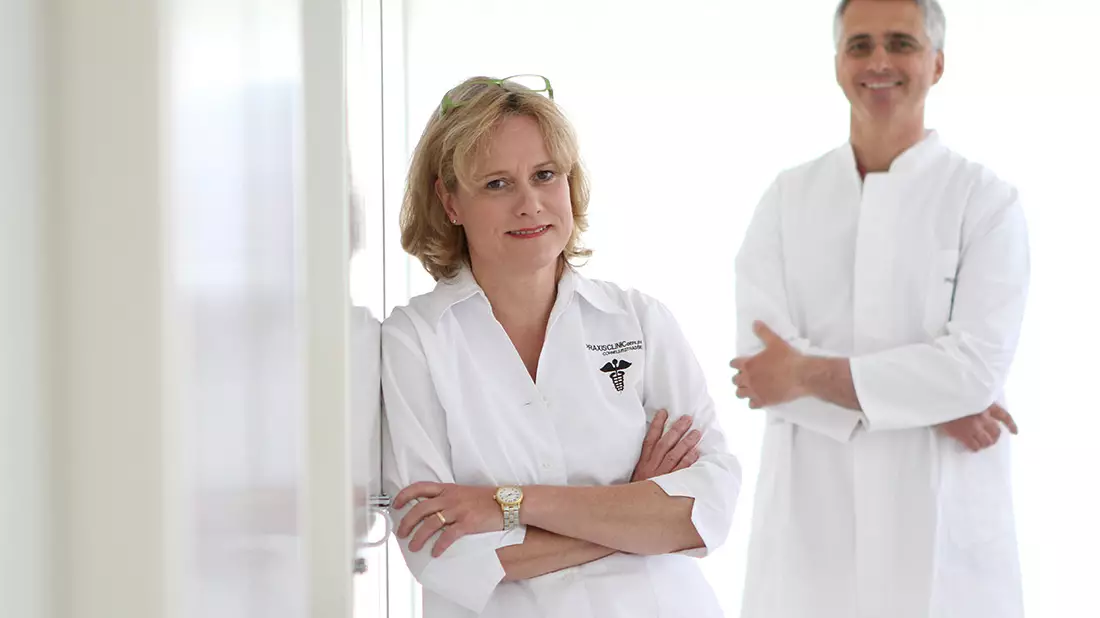
Arriving in a new country is exciting – until you get your first toothache. Suddenly, everyday questions become complicated: Which Dental Practice can I trust? Will anyone speak English? Will they understand my medical history from abroad? And what if I already struggle with dental anxiety?
For many internationals in Berlin, especially around Steglitz, Zehlendorf and the wider Berlin Southwest, navigating the healthcare system can feel overwhelming. German bureaucracy, unfamiliar insurance rules and the fear of not being understood often delay important check-ups, Implantology consultations or urgently needed Oral Surgery. Yet postponing treatment can turn a simple issue into a complex one – from a small cavity to Root Canal Treatment, or from a missing tooth to bone loss in the area of the maxillary sinus floor.
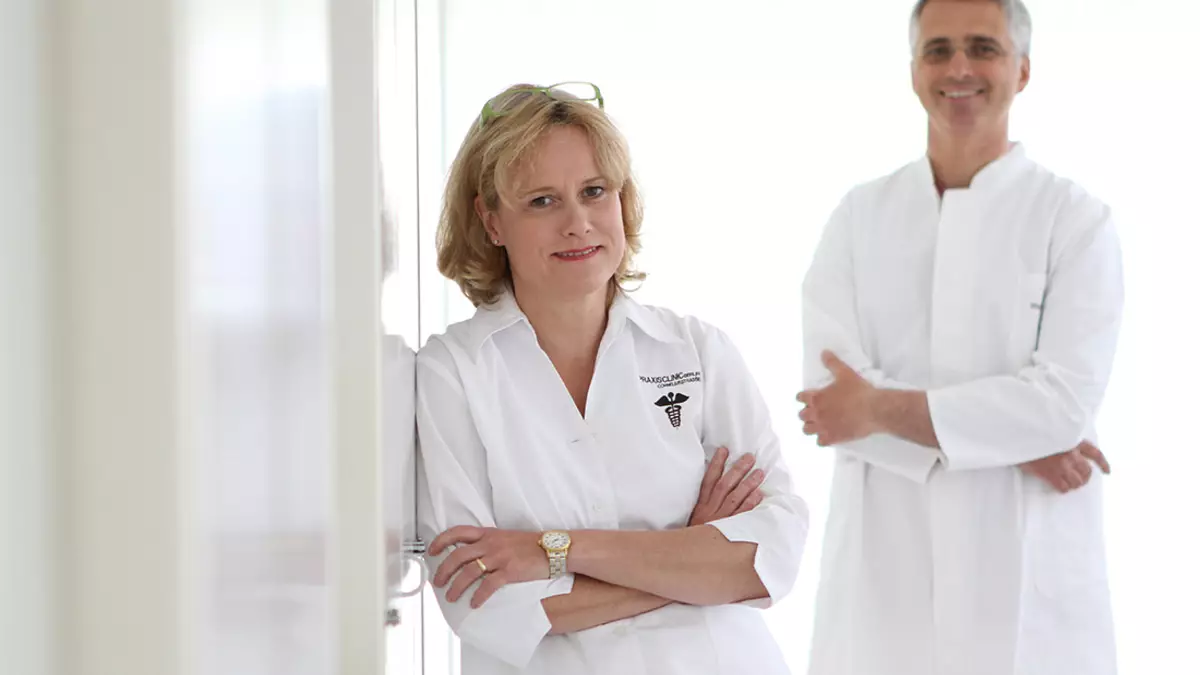
In this context, finding a Dental Practice that combines precise, medically sound treatment with clear communication and a human, empathetic approach is invaluable. Zahnarzt-Praxis Berlin Steglitz (Dr. Djamchidi & A. Jannack) stands out exactly here: a practice where double medical approbation, advanced Endodontics, a strong focus on tooth preservation and a calm, anxiety-aware atmosphere come together in a classic Berlin Altbau setting.
For expats and locals alike, this is not just another Zahnarzt in the neighborhood. It is a place where a Physician and ENT specialist who is also a Dentist plans your implants, where a dentist with deep expertise in microscopic Endodontics fights for every tooth, and where English-speaking communication and clear explanations are part of everyday routine.
One of the most distinctive features of Zahnarzt-Praxis Berlin Steglitz is the double approbation of Dr. Djamchidi. He is not only a trained Dentist but also a fully qualified Physician and ENT (Ear, Nose, Throat) specialist. This dual background is rare and particularly valuable in Implantology and Oral Surgery.
When planning dental implants, particularly in the upper jaw near the maxillary sinus floor, the border between dentistry and ENT medicine becomes very thin. The roots of upper molars often lie close to the sinus. When these teeth are removed and bone resorbs over time, the distance between the oral cavity and the sinus can become critically small. Placing an implant in this area is no longer a "simple" dental procedure – it becomes a three-dimensional challenge involving bone, mucosa, sinus ventilation and overall facial anatomy.
A practitioner who is both a Dentist and an ENT specialist can see this region from both perspectives. From the dental view, the goal is stable osseointegration of the implant, good prosthetic positioning and long-term function. From the ENT perspective, it is crucial to maintain healthy sinus drainage, avoid chronic sinusitis and respect the delicate mucosal lining. This synergy becomes particularly relevant in procedures such as sinus lift surgeries, where bone is augmented in the sinus region to create enough height for implants.
As a Physician, Dr. Djamchidi is trained to assess your general medical condition, medications and potential systemic risks in depth. For patients with cardiovascular issues, blood thinners, diabetes or complex medical histories, this can dramatically increase safety. He can evaluate whether certain medications need adjustment before Oral Surgery, and how to minimize the risk of bleeding, infection or delayed healing. This is especially reassuring for older patients, those with chronic illnesses or expats who may be unsure whether their foreign medical records are fully understood.
For example, a patient with long-standing sinus problems and a missing upper molar near the sinus may be told elsewhere that Implantology is too risky. With a double approbation specialist, however, a nuanced evaluation is possible. Using ENT knowledge, the condition of the sinus can be assessed, pre-existing sinusitis treated if necessary, and then a tailored sinus lift and implant placement planned. The maxillary sinus floor is not treated as a mysterious danger zone, but as a familiar anatomical neighbor.
In addition, as an ENT specialist, Dr. Djamchidi is acutely aware of the connections between oral health, breathing, snoring and general ENT health. Issues such as mouth breathing, chronic nasal congestion or post-nasal drip can impact oral comfort, mucosal dryness and even implant healing. Being able to integrate these aspects into a Dental Practice concept gives patients in Berlin Steglitz access to a more holistic evaluation than in a standard practice.
Biocompatibility is another area where the Physician's perspective is beneficial. Implants and materials must be not only mechanically strong, but also compatible with the body's immune and inflammatory responses. For patients with allergies, autoimmune tendencies or unclear reactions to metals, a medically broad view helps in choosing the right solutions.
For expats in particular, this double approbation offers deep reassurance. Healthcare systems differ across countries, and some patients come from regions where implant dentistry may be more commercialized and less closely integrated with medical evaluation. In Berlin, knowing that an implantologist is also a Physician can restore trust and reduce fear of hidden risks.
While implants and Oral Surgery are the obvious highlights of a double-trained doctor, a truly future-oriented Dental Practice always focuses first on what nature has given you: your own teeth. This is where Annette Jannack, the second name in Zahnarzt-Praxis Berlin Steglitz, comes into focus. Her specialization lies in Endodontics – the discipline dedicated to treating the inside of the tooth, particularly through Root Canal Treatment – and in aesthetic, yet biologically careful restorations.
The philosophy guiding her work can be summed up in a central German concept: Zahnerhalt vor Zahnersatz – preserving the tooth before replacing it. Modern Endodontics is a highly technical field. It is no longer about "just cleaning a canal"; it is about precisely removing inflamed nerve tissue and bacteria from an intricate system of tiny canals and side branches within the root, disinfecting them thoroughly and sealing them in a way that prevents reinfection.
To achieve this, microscopic dentistry plays a key role. Under magnification, structures that are invisible to the naked eye become accessible. Extra root canals, micro-cracks or hidden calcifications can be seen and treated. For an anxious patient, this level of detail matters because it greatly increases the chances that a tooth can be saved instead of extracted.
Imagine a deeply decayed molar that another dentist has already classified as hopeless. By applying advanced Endodontics techniques, including microscopic inspection, modern rotary instruments, ultrasound activation of disinfecting solutions and three-dimensional filling techniques, it may still be possible to retain that tooth for many years. This does not only preserve chewing function but can also avoid complex prosthetic work or implants in a sensitive area, such as close to the maxillary sinus floor or adjacent anatomical structures.
For many patients, a well-performed Root Canal Treatment is also an important turning point in their relationship with dentistry. In the past, root canals had a reputation for being painful or unreliable. Modern techniques, local anesthesia, optional sedation and precise instruments have transformed this field. When a dentist like Annette Jannack explains each step calmly, in German or English, and guides patients through the process, an initially frightening treatment can become a surprisingly relaxed experience.
Aesthetics is another focus of her work. Once a tooth has been saved internally, it often needs a high-quality restoration on the outside – such as a ceramic crown or onlay that blends in with your natural teeth. Here, the balance between beauty and structure is essential. The goal is not a "Hollywood" smile that looks artificial, but rather an individualized, naturally harmonious appearance that respects your bite, face shape and personal wishes.
Many expats who come to Berlin already have complex dental work from their home countries. Crowns that do not match the color of surrounding teeth, root canal-treated teeth that were never properly crowned, or older materials that no longer meet modern standards of biocompatibility are common scenarios. A dentist with strong foundations in Endodontics and aesthetics can carefully plan how to protect these teeth, update restorations where necessary and gradually build a stable, attractive situation.
Dental anxiety is more common than most people admit, and it often intensifies in a foreign environment. Not understanding every word, worrying about unexpected costs or feeling that one's fears are not taken seriously can make even a simple prophylaxis appointment stressful. In Berlin Steglitz, the team at this Dental Practice has long experience in dealing with anxious patients – including those who have avoided the dentist for years.
The approach starts with listening. During the first conversation, you are encouraged to describe your previous experiences, your current fears and your expectations. The dentists and staff are used to switching to English when necessary and explaining every step in simple, non-technical terms. For many patients, hearing a clear, structured plan instantly reduces panic: you know what will happen, why it will happen and what alternatives exist.
From a technical perspective, the practice uses minimally invasive techniques wherever possible. This means preserving as much healthy tooth structure as possible, using gentle instruments and favoring approaches that reduce trauma to the gums and bone. In combination with effective local anesthesia, this can make even more complex treatments like Root Canal Treatment or implant placement surprisingly comfortable.
For patients with strong dental anxiety, additional options such as sedation or so-called twilight sleep can be discussed. In twilight sleep, you remain responsive but are in a deeply relaxed state and often remember little of the procedure afterwards. This can be particularly helpful for longer sessions, for example multiple implants, complex Endodontics or combined Oral Surgery treatments. For those who prefer a more natural support, homeopathic or gentle calming remedies can be part of the preparation.
What matters most, however, is the feeling that you are not being judged. Whether your last visit to the dentist was one year or one decade ago, you are treated with respect. This non-judgmental, empathetic attitude is essential for rebuilding trust and helping patients make dental care a regular, stress-free part of their life in Berlin.
The practice is located in Berlin-Steglitz, one of the most vibrant and well-connected parts of Berlin's southwest. Just a short distance from Schloßstraße – the main shopping artery of the district – Zahnarzt-Praxis Berlin Steglitz is surrounded by cafés, local shops and the characteristic mix of Gründerzeit façades and post-war buildings that define the area.
The practice itself is housed in a classic Berlin Altbau. This has two sides. On the one hand, it creates a warm, characterful atmosphere: high ceilings, old architecture and that unmistakable Berlin charm which many expats quickly come to love. On the other hand, it does mean that the building is not barrier-free. There is no elevator, and access involves stairs. This is an important practical detail for patients with limited mobility, and the practice is open and upfront about it so you can plan accordingly.
For those who can navigate stairs, the setting contributes to a more personal, less clinical feeling compared to some modern glass-and-steel medical centers. It feels like entering a carefully maintained Berlin apartment rather than a sterile institution, which can make appointments less intimidating, especially for people with dental anxiety.
Reaching the practice is straightforward from many parts of the city. Public transport connections in Berlin Southwest are excellent, with S-Bahn and U-Bahn links around Schloßstraße making the area easily accessible from Zehlendorf, central Berlin and even Potsdam. For those arriving by car, the Steglitz area offers a range of parking options in side streets and nearby parking facilities, especially if you allow a few extra minutes before your appointment.
The combination of central location, neighborhood atmosphere and classic architecture makes the Dental Practice in Berlin Steglitz a realistic everyday choice for both local residents and expats commuting from different areas of the city.
To understand what treatment at Zahnarzt-Praxis Berlin Steglitz actually feels like, imagine the journey of an international patient – perhaps you, or someone you know – who has recently moved to Berlin for work or study.
You begin online. Searching for a Dental Practice in Berlin, you quickly realize that many websites are only partially translated or offer little information about complex treatments like Implantology or Endodontics in English. When you find the practice website of Zahnarzt-Praxis Berlin Steglitz, you notice that the team explicitly mentions experience with international patients, explains key procedures in accessible language and highlights the double approbation of Dr. Djamchidi and the Endodontics focus of Annette Jannack.
You send an email in English, briefly describing your situation: a missing tooth in the upper jaw, some sensitivity in another molar and a long-standing fear of the dentist. The reply you receive is friendly, informative and in clear English. You are invited to book a consultation, and any questions about German insurance or cost transparency are answered upfront.
On the day of your appointment, you arrive in Steglitz a bit early. The walk from Schloßstraße, past cafés and small stores, helps to ground you. You find the Altbau building, take the stairs and enter the practice. Inside, the atmosphere is calm and welcoming rather than hectic. The reception staff greets you, helps you with the initial forms and, if needed, explains German terms related to insurance or consent in English.
The first phase is anamnesis – a thorough review of your medical and dental history. Because the team is used to expat patients, they ask whether you have records from abroad, previous X-rays or reports. As a Physician, especially with ENT expertise, Dr. Djamchidi is attentive to your overall health: any medications, allergies, past surgeries or chronic conditions are noted and discussed. This integrated view is reassuring; you feel that your mouth is not being treated in isolation from the rest of your body.
Next comes the clinical examination. Your teeth, gums, bite and the function of your jaw joints are assessed. If necessary, new digital X-rays or 3D imaging are taken to evaluate the bone structure, especially in the area of the missing upper tooth close to the maxillary sinus floor. At the same time, the sensitive molar that worries you is tested for vitality and examined for cracks or deep decay – a situation where Endodontics may be needed.
After the diagnostics, you sit down with the dentist – sometimes both dentists may be involved, depending on the complexity of your case. They explain the findings step by step. Regarding your missing upper tooth, you learn that there is sufficient bone for a dental implant, but its proximity to the sinus means careful planning is essential. Here, the advantage of having an ENT-trained implantologist becomes tangible. You see the images and understand where the sinus lies and how an implant can be safely anchored without compromising sinus health.
For the sensitive molar, the findings suggest that the nerve is inflamed but the tooth is structurally saveable. Annette Jannack outlines a plan for Root Canal Treatment using microscopic dentistry techniques, followed by a high-quality crown to protect the tooth long-term. She explains how modern Endodontics differs from outdated concepts and why preserving this tooth fits the principle "Zahnerhalt vor Zahnersatz".
Cost and timeline are addressed transparently. You receive an estimate that distinguishes clearly between services covered by German statutory insurance (if applicable) and private or out-of-pocket components. Options are discussed, not imposed. If you wish, you may take some time to consider or to seek a Second Opinion elsewhere – the team is supportive, not pressuring.
When you decide to proceed, the practical scheduling begins. For your dental anxiety, you explore options: standard local anesthesia with a calm, step-by-step approach, or additional sedation or twilight sleep for the longer sessions. Together, you choose a plan that balances safety, comfort and your personal preferences.
The treatment itself reflects the practice's philosophy. For the Root Canal Treatment, you are numbed thoroughly; the tooth is isolated to keep it dry and clean; under magnification, the inflamed tissue is removed and the canals are shaped and disinfected. Between steps, the dentist checks in with you, making sure you are comfortable. breaks can be taken, and the atmosphere remains calm. At the end, a temporary restoration is placed until the final crown is ready.
For the implant procedure, the preparation includes detailed planning and, when necessary, 3D imaging. On the day of surgery, you arrive knowing exactly what will happen. Under local anesthesia, and if chosen under sedation, the implant is placed with minimally invasive techniques designed to protect bone and soft tissue. As a Physician, the implantologist monitors your general well-being and any potential interactions with medications or systemic conditions. Instructions for aftercare are given verbally and in writing, often in both German and English, so you can follow them confidently at home.
Follow-up visits check healing, adjust any minor issues and gradually lead to the final crown or prosthetic reconstruction. Throughout this journey, prophylaxis – professional cleaning and preventive advice – plays a steady background role. The team emphasizes that a well-placed implant or perfectly treated root canal will only remain successful if maintained with good oral hygiene and regular check-ups.
Over time, what began as a stressful search for a dentist in a foreign city evolves into a stable relationship with a practice where you feel heard, understood and medically well cared for.
Looking at the full picture, several elements make Zahnarzt-Praxis Berlin Steglitz (Dr. Djamchidi & A. Jannack) a standout choice among Dental Practices in Berlin, particularly for those living in Steglitz, Zehlendorf and the wider Berlin Southwest.
First, the unique double approbation of Dr. Djamchidi as both Physician/ENT specialist and Dentist offers a depth of safety and anatomical understanding that few practices can match, especially in Implantology and Oral Surgery near the maxillary sinus floor. For medically complex patients, older adults or anyone who prefers a medically comprehensive view, this is a decisive advantage.
Second, the practice's strong focus on Endodontics, microscopic dentistry and aesthetic restorations under the care of Annette Jannack embodies the principle of tooth preservation. Instead of rushing to extraction and replacement, the team prioritizes saving your natural teeth whenever reasonably possible – Zahnerhalt vor Zahnersatz – while still offering state-of-the-art solutions when replacements are necessary.
Third, the human dimension is central. Dental anxiety is acknowledged, not ignored. Options like sedation or twilight sleep, coupled with minimally invasive techniques and clear explanations in English and German, create an environment where even long-avoided treatments become manageable. Expats, in particular, benefit from the practice's experience with international patients and its sensitivity to language barriers and unfamiliarity with the German system.
Fourth, the location in a classic Altbau in Berlin-Steglitz combines the charm of authentic Berlin architecture with the practical benefits of a central yet neighborhood-based setting near Schloßstraße. Although the lack of an elevator and the presence of stairs mean the building is not barrier-free, the practice's transparency about this gives patients the information they need to plan their visit. The surrounding infrastructure – from public transport to parking possibilities – makes regular visits realistic whether you live in Steglitz itself, Zehlendorf or commute from another part of the city.
Finally, the practice offers a complete spectrum of dental care under one roof: from prophylaxis and preventive counseling to Endodontics, Implantology, Oral Surgery and aesthetic dentistry. Combined with the option for a well-founded Second Opinion, this allows patients to make informed, confident decisions about their oral health.
In a city as large and diverse as Berlin, choosing the right dentist is about more than just proximity. It is about trust, communication, medical depth and a feeling of being genuinely cared for. Zahnarzt-Praxis Berlin Steglitz brings these elements together – for locals who have lived in the neighborhood for decades, and for internationals who are just beginning to call Berlin home.
If you are looking for a Dental Practice in Berlin Steglitz that understands both your medical complexity and your emotional needs, that can speak with you in English and treat you with the combined knowledge of a Physician, ENT specialist and experienced dentists, this practice is a strong candidate for your long-term dental home.
Disclaimer regarding our articles: No investment advice, no buy or sell recommendation. Information on prices, companies, and markets is provided without guarantee; changes are possible at any time. Stock market transactions can lead to substantial losses. Our articles are created and reviewed in whole or in part automatically with the support of AI.