
Xiaomi Unveils Billion-Parameter AI and Leica-Equipped 17T, Yet Shares Languish Near Yearly Trough
Published on 06/11/2026 at 08:24 | Editorial boerse-global.de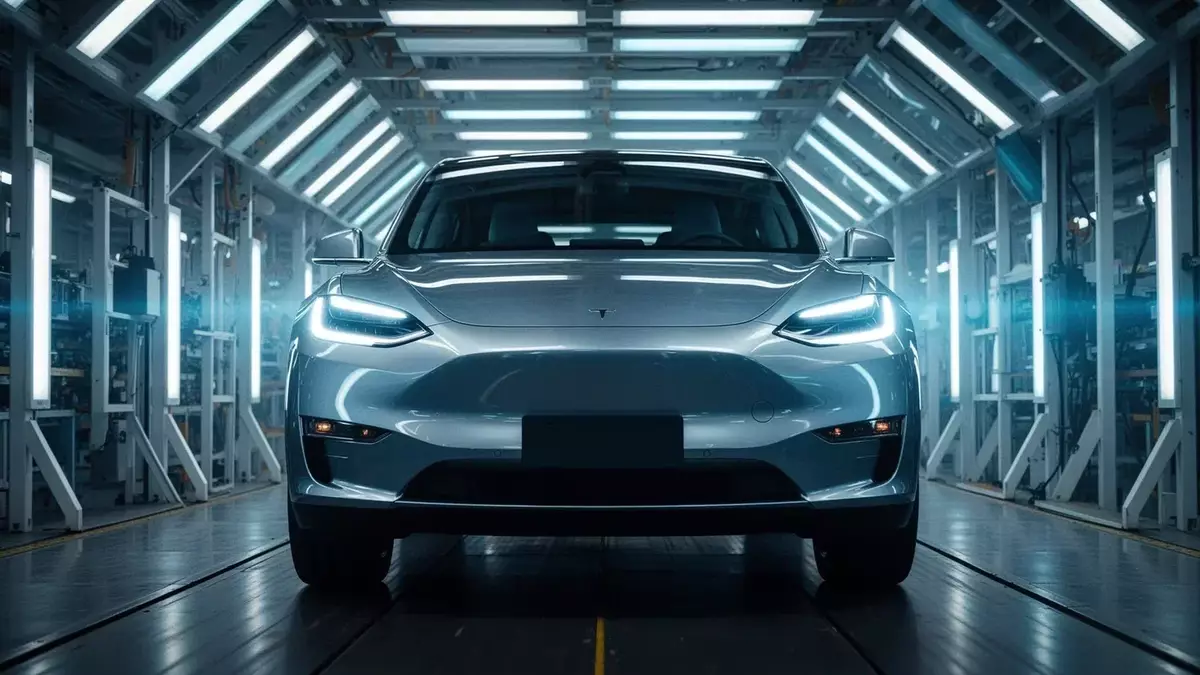
Fresh records in artificial intelligence, a premium smartphone launch in India, and an electric-vehicle expansion strategy with the city of Changchun — all of it has failed to arrest Xiaomi’s slide on the stock market. The Chinese technology conglomerate’s shares closed at €2.91, just 1.75% above the 52-week low of €2.86, chalking up a year-to-date decline of 35.18% and a 12-month drop of 51.35%.
On June 11, Xiaomi open-sourced its AI coding assistant MiMo Code, a terminal-based tool that beat established rivals such as Claude Code by approximately five percentage points in the SWE-Bench Pro benchmark. The company also released the MiMo-V2.5-Pro-UltraSpeed language model, boasting roughly one trillion parameters and an inference speed exceeding 1,000 tokens per second on standard GPUs. These moves position Xiaomi as a more serious contender in the high-performance AI space, but the market has so far shrugged.
The same day marked the commercial launch of Xiaomi’s 17T premium smartphone in India. Priced at ?59,999 for the 256 GB variant (with a bank discount bringing it to ?54,999), the device features a Leica-engineered camera system — a 50 MP main sensor, a 5x periscope telephoto lens with 115 mm equivalent focal length, and a 12 MP ultrawide. It runs HyperOS 3 based on Android 16. The 17T arrival underscores Xiaomi’s deliberate push up the price ladder: during the first quarter of 2026, the average selling price of its smartphones rose 8.2% year-on-year to 1,310 RMB, and devices priced above 3,000 RMB already represented 23.5% of Chinese unit sales.
Should investors sell immediately? Or is it worth buying Xiaomi?
The smartphone business remains the group’s earnings backbone. In Q1 2026, Xiaomi shipped 33.8 million handsets, generating 44.3 billion RMB in revenue. Gross margin stood at 10.1%, squeezed by rising memory costs. Total group revenue reached 99.1 billion RMB, with the electric vehicle and AI segment contributing nearly 20 billion RMB. Globally, Xiaomi held an 11.3% market share, ranking third.
On the automotive front, the company delivered more than 30,000 electric vehicles in May alone — output that is already pushing the limits of its Beijing plant. Changchun, a major industrial city in northeastern China, published a strategic plan on June 11 explicitly courting Xiaomi and BYD for factories, research centers, and component projects. A potential new production base would come at a crucial time: starting July 1, China enforces fresh EV safety standards requiring physical emergency shut-off devices and stricter battery tests, a regulatory shift likely to raise manufacturing costs in the near term.
Xiaomi is attempting to support its stock through share repurchases. On June 10, it bought back 3.7 million shares for approximately 97.4 million Hong Kong dollars. The relative strength index stands at 31.8, flirting with the oversold threshold of 30. Whether the combination of aggressive buybacks, rising average selling prices, and operational momentum can overcome cost headwinds — from memory components and new EV regulations — will depend on the next batch of official sales and earnings data, which alone can confirm if margins are truly turning the corner.
Ad
Xiaomi Stock: New Analysis - 11 June
Fresh Xiaomi information released. What's the impact for investors? Our latest independent report examines recent figures and market trends.


