
Xiaomi's AirDrop Gamble Faces Chilling Reality of 28% Sales Plunge
Published on 06/03/2026 at 21:32 | Editorial boerse-global.de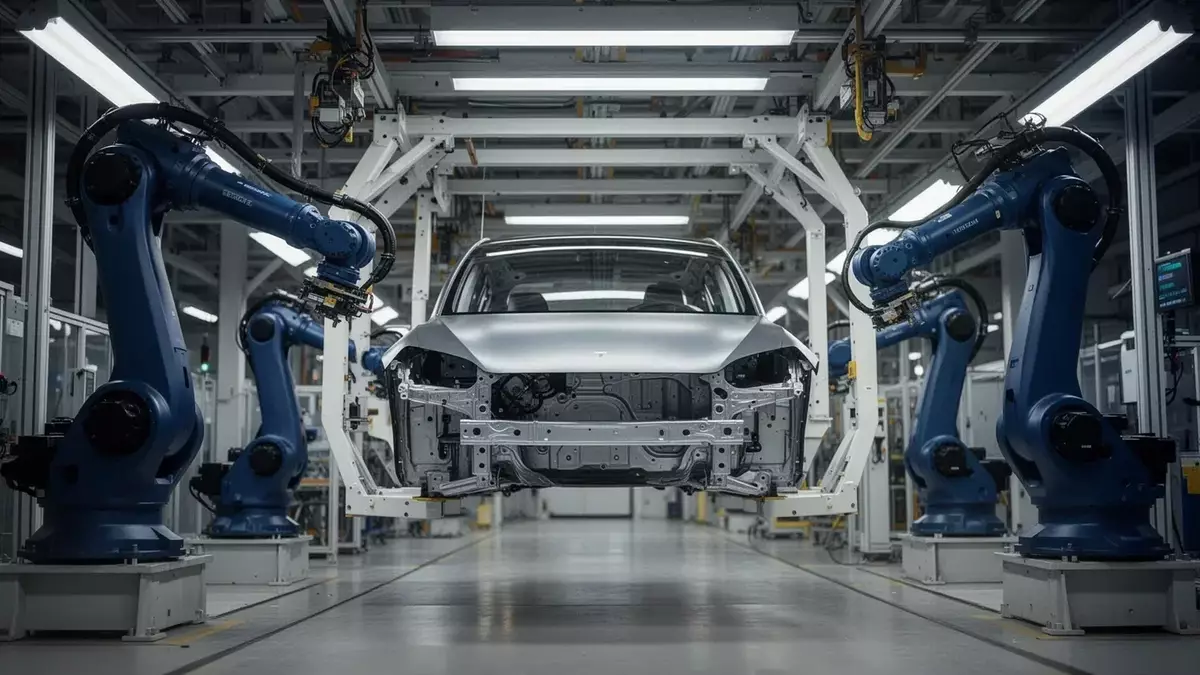
The gulf between Xiaomi's product ambitions and its market trajectory has rarely been wider. The Chinese tech group is rolling out an AirDrop-style bridge to Apple's walled garden, yet a stark industry forecast of a 28% collapse in smartphone shipments threatens to overshadow those efforts.
Counterpoint Research projects global handset deliveries will slide 13.9% in 2026 to 1.08 billion units. Xiaomi is expected to bear the brunt of the downturn, with the analyst house pencilling in a 28% drop — far worse than Samsung's roughly 4% contraction and Apple's near-flat performance. The culprit is a deepening chip shortage exacerbated by geopolitical tensions, which pushed component wholesale prices up 14% in the first quarter alone.
The stock, already bruised, reflects the pessimism. Shares shed 3.2% on the day to €3.14, hovering just above their 52-week trough of €3.04. Since January, the equity has lost around 30% of its value, and on a 12-month view the decline approaches 47%.
Management is fighting back on multiple fronts. At the recent annual general meeting, all board resolutions passed with overwhelming majorities, and a buyback of 3.5 million shares — worth roughly HK$100 million — was completed to shore up confidence. Yet the broader headwinds have so far overwhelmed such measures.
Should investors sell immediately? Or is it worth buying Xiaomi?
The most eye-catching countermove is the opening of Xiaomi's ecosystem to iPhone users. From 1 June 2026, the company's Quick Share feature will allow file and photo transfers directly between select Xiaomi devices and Apple's iPhones and iPads, mimicking Apple's own AirDrop protocol. The first handset to support the function is the new Xiaomi 17T Pro, shipped with HyperOS 3. A broader rollout is expected with HyperOS 4, slated for July and August, which will extend compatibility to more models. Market observers view the move as an attempt to lower switching costs for iOS users, particularly in markets where iPhone penetration is high.
Separately, Xiaomi is pressing ahead with the launch of its 17T series in India, where the premium models feature Leica optics and a 5x telephoto lens. That launch is seen as a crucial test in the subcontinent's higher-end segment, especially as Motorola introduces competing devices at the same time.
All these initiatives, however, take place against a backdrop of rising input costs. The persistent shortage of memory chips is inflating production expenses for budget-tier phones, squeezing margins that were already thin.
Xiaomi at a turning point? This analysis reveals what investors need to know now.
The electric vehicle push offers a longer-term diversifier — one that Xiaomi hopes will cushion the smartphone slump. How far that cushion will extend will become clearer with the next official earnings release. For now, the technical picture adds a note of caution: the relative strength index sits at 76.8, indicating overbought conditions in the near term, a warning that, given the fundamental pressures, carries particular weight.
Xiaomi's AirDoor to Apple's ecosystem may eventually help retain users and win converts. But in the immediate term, the company must navigate a landscape where demand is evaporating, costs are rising, and its stock is trading at the edge of its lowest valuation in a year.
Ad
Xiaomi Stock: New Analysis - 3 June
Fresh Xiaomi information released. What's the impact for investors? Our latest independent report examines recent figures and market trends.


