Xiaomi’s $4 Billion Buyback Fails to Shore Up Stock as EV Deliveries Slip and Memory Costs Bite
21.06.2026 - 20:51:01 | boerse-global.de
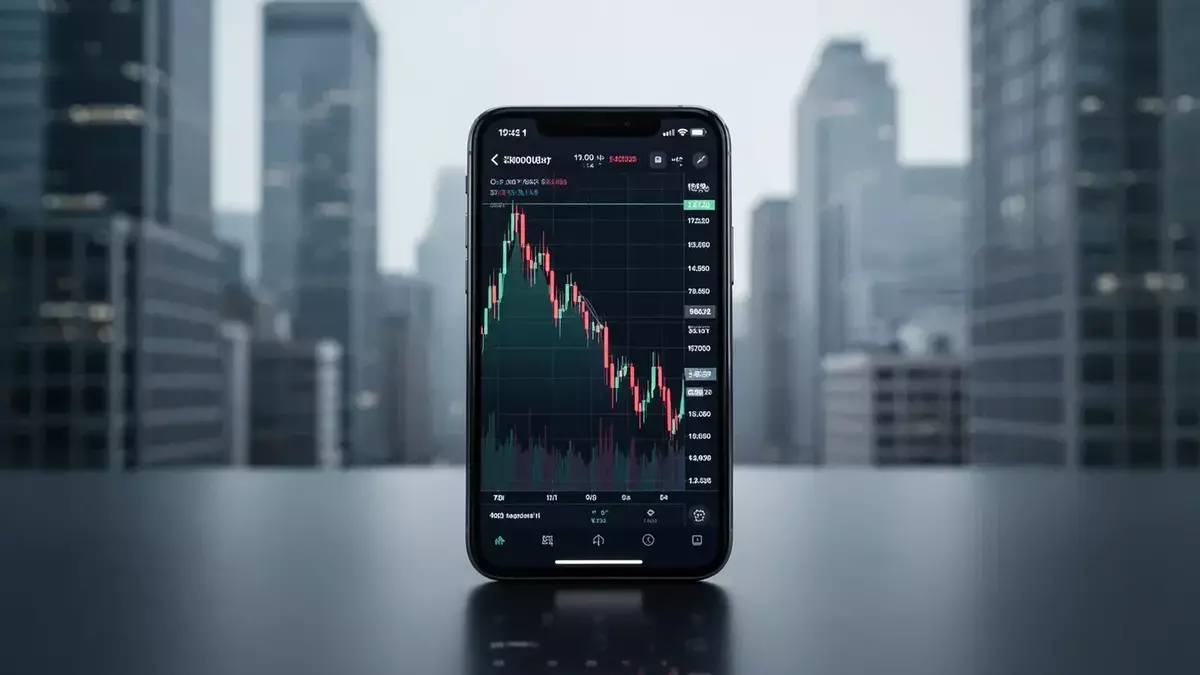
The market is delivering a clear verdict on Xiaomi’s latest rescue plan. Since launching its biggest-ever buyback — up to 20 billion Hong Kong dollars — on June 2, the company has repurchased 30.1 million shares, yet the stock has still shed roughly 19% over the past 30 days. The shares closed Friday at €2.72, leaving them down about 39% year-to-date and more than 53% lower over the last twelve months. The 52-week low of €2.67 is now within striking distance, and the relative strength index of 26.3 signals an intensely oversold condition.
Xiaomi’s expanding electric vehicle business is proving to be a costly drag. In May, deliveries amounted to just 32,759 vehicles, an 11% drop from April. Over the first five months of 2026, cumulative deliveries reached 150,317 units, well short of the company’s full-year target of 550,000. Analysts at Jefferies have already cut their forecast to 495,000. To hit even that reduced figure, Xiaomi would need to deliver roughly 57,500 vehicles each month from June through December — but its best-ever monthly performance was 50,000 units, set in December 2025. The financial hit is equally stark: in the first quarter of 2026, the EV unit generated 19.9 billion yuan in revenue but posted an operating loss of 3.1 billion yuan, amounting to roughly 5,600 US dollars lost on every vehicle shipped. Weak demand for the premium SU7 Ultra, rising component prices, and tax subsidies have all been cited as contributing factors.
Pressure on the core smartphone business is adding to the gloom. Memory chip prices have surged — fivefold for phone storage and tenfold for TV storage according to CEO Lei Jun — and the company expects that squeeze to persist for the next two years. Jefferies notes that 62% of Xiaomi’s smartphone sales are below the $200 price point, leaving margins acutely exposed to higher input costs. The firm forecasts a five-percentage-point decline in smartphone margins in 2026. As a glimmer of hope, Xiaomi is reportedly planning to bring the 18 Pro and 18 Pro Max to Europe by late September 2026, skipping the usual six-month delay, while the standard Xiaomi 18 would follow in early 2027. All three models are expected to debut in September with Qualcomm’s Snapdragon 8 Elite Gen 6 chip built on TSMC’s 2nm process. None of these dates have been officially confirmed, and market attention remains fixed on Micron’s June 24 earnings as the next read on memory cost trends.
Should investors sell immediately? Or is it worth buying Xiaomi?
Meanwhile, Xiaomi is pushing ahead with a new vehicle line that enters a shrinking niche. The company’s application to produce an extended-range electric vehicle has been approved by China’s industry ministry. The first model, the Kunlun N3, is an SUV over 5.3 meters long that will be sold under the new subbrand Skynomad. It is expected to carry a battery larger than 70 kWh and offer a pure-electric range of up to 500 kilometers. The timing is precarious: wholesale EREV sales plunged nearly 25% in May, the steepest monthly decline in five years, and even market leader Li Auto saw deliveries of its flagship L9 tumble 74% year-on-year in the first four months of 2026. Xiaomi has not confirmed a launch date or the official brand name.
Short sellers are piling on. Short positions have hit record levels, and any negative earnings surprise could accelerate the downtrend. Should the share price break sustainably below €2.67, chart-based selling is likely to intensify. The next major catalyst is the second-quarter earnings release scheduled for August 26. For now, the buyback program is offering little support, and the operational headwinds — from EV delivery gaps and widening losses to memory-cost margin erosion — show no signs of easing.
Ad
Xiaomi Stock: New Analysis - 21 June
Fresh Xiaomi information released. What's the impact for investors? Our latest independent report examines recent figures and market trends.