
Why Whitney Houston Still Owns Pop in 2026
Veröffentlicht am: 08.03.2026 um 08:22 Uhr | Redaktionelle Verantwortung: Rafael Müller, Chefredakteur AD HOC NEWS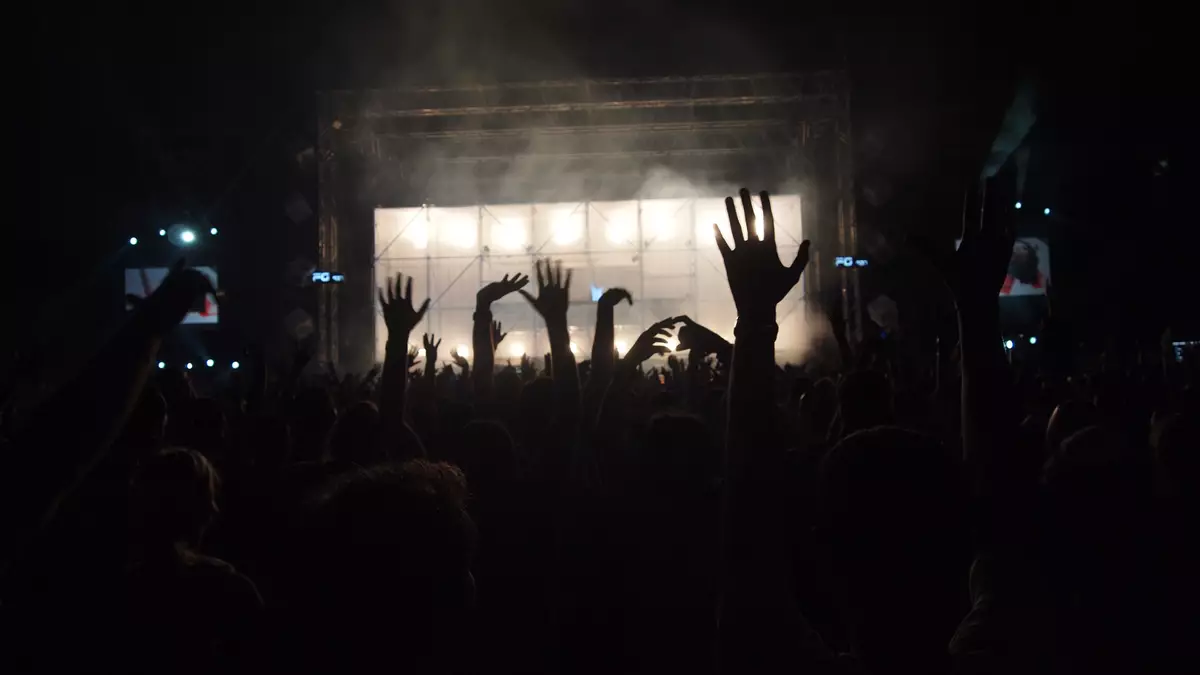
You keep seeing Whitney Houston on your For You page in 2026 and thinking: how is she still this present, this loud, this emotional, more than a decade after she died? From TikTok edits of that impossible "I Will Always Love You" key change to Gen Z discovering "I Wanna Dance with Somebody" like it just dropped yesterday, Whitney isn’t a nostalgia act. She’s an ongoing story that the internet refuses to close.
Explore the official Whitney Houston universe
Over the last few weeks, Whitney’s name has spiked again in searches and playlists. A fresh wave of documentaries, tribute shows, remastered performances and viral fan clips has turned her catalog into a live conversation instead of a museum piece. If you’re wondering what exactly is going on, why Whitney suddenly feels
The Backstory: Breaking News in Detail
Whitney Houston passed away in 2012, but the news cycle around her has never really gone quiet. In the past month, several Whitney-related moves have reignited the global conversation. Music platforms have been heavily pushing her remastered live recordings and upgraded HD videos, especially performances from the late 80s and early 90s that showcase her voice at full storm power.
Streaming data from major platforms continues to show recurring surges around a few key tracks: "I Will Always Love You," "I Wanna Dance with Somebody (Who Loves Me)," "How Will I Know," "Greatest Love of All," and "I Have Nothing." These spikes often sync up with viral clips on TikTok and YouTube Shorts. A fan edit of Whitney’s 1991 Super Bowl National Anthem performance recently circulated again, pulling millions of new views and driving younger listeners back to her albums.
Documentary and biopic content has also been central to the renewed focus. Recent projects have dug deeper into her early gospel roots in New Jersey, her complicated relationship with fame, and the creative process behind landmark albums like "Whitney" (1987) and "I’m Your Baby Tonight" (1990). While each film has its own angle, the through-line is consistent: people are finally talking about Whitney as a disciplined, hyper-musical studio perfectionist, not just a tragic tabloid headline.
You’ll also see news around new licensing deals and estate-approved projects. These range from expanded soundtrack placements in films and series, to deluxe reissues of classic albums, to talks about future immersive experiences that could feature restored multitrack audio of her most iconic live shows. Industry coverage has highlighted how carefully her estate is curating these moves, focusing on quality and legacy protection rather than just pushing out anything with her name on it.
For fans in the US and UK, tribute concerts and orchestral events built around Whitney’s music continue to sell out mid-size venues. Promoters are leaning into full-album evenings, where a vocalist and band perform an entire record like "Whitney" or "My Love Is Your Love" front to back, alongside deep cuts and fan favorites. While these aren’t Whitney herself, they underscore an important point: her songbook wasn’t built just for one generation, and the demand to hear it live hasn’t faded.
The bigger implication is simple but powerful: Whitney Houston is being re-centered as the voice of modern pop and R&B, not simply a legendary voice from the past. The more new audiences discover her technical range, her emotional intelligence as a singer, and the way she shaped the pop ballad template, the more she becomes a benchmark again. Artists across genres are naming her as a primary vocal influence in interviews, from current R&B stars to alt-pop vocalists who grew up screaming along to "I Have Nothing" in their bedrooms.
The Setlist & Show: What to Expect
Because Whitney herself is no longer touring, the "setlist" conversation in 2026 is mostly about two things: how tribute shows structure their nights, and how fans build their own ultimate Whitney playlists.
Live tribute productions in the US/UK tend to follow a familiar emotional arc: open with the bright, fizzy 80s pop, then slowly slide into the devastating ballads and gospel-rooted songs that leave everyone hoarse and teary. A typical Whitney-themed night might kick off with "How Will I Know"—all synths, joy, and those instantly recognizable backing vocals. From there, crowds usually get "So Emotional," "Love Will Save the Day," and "I Wanna Dance with Somebody (Who Loves Me)," tracks that prove how comfortable Whitney was dropping huge vocals over dance-pop beats.
Mid-show is where things start to shift. Songs like "All the Man That I Need" and "Where Do Broken Hearts Go" bring the drama but keep the tempo mid-range, giving the singer room to show control rather than just power. Many shows take a detour into her soundtrack era with "I’m Every Woman" (from "The Bodyguard") and the jubilant "Queen of the Night," tracks that let the band go heavier and the crowd lose its mind.
The emotional peak often comes with the big three: "I Will Always Love You," "I Have Nothing," and "Run to You." In a real Whitney set, these were technically punishing moments, built around breath control, dynamic discipline, and a terrifyingly clean upper register. Modern vocalists covering them tend to either rearrange the songs to survive, or lean into the rawness and let emotion take precedence over precision. Either way, once that key change in "I Will Always Love You" hits, the room usually dissolves into phones in the air, friends hugging, and strangers crying next to each other.
For fans building a home "show" or playlist, the energy often mirrors this live arc. Many start with early material from her 1985 debut album: "Saving All My Love for You" and "Greatest Love of All" show just how fully formed she was at 22. Then it’s straight into the 1987 hits "Didn’t We Almost Have It All," "So Emotional," and "Love Is a Contact Sport" for that glossy late-80s feel.
Don’t skip the 1990 album "I’m Your Baby Tonight," where Whitney leans harder into R&B and New Jack Swing. The title track, "My Name Is Not Susan," and "Miracle" give you a more rhythm-driven Whitney, less ballad queen and more groove architect. Fans online often point to this album as the blueprint for a lot of 90s R&B vocal production.
Later-career tracks also play a big role in current fan playlists. "My Love Is Your Love" (1998) has aged incredibly well, with its warm, slightly reggae-inflected beat and conversational vocal that influenced a whole generation of late-90s and early-2000s singers. "It’s Not Right but It’s Okay" remains a breakup anthem and club essential, particularly in its Thunderpuss remix form, where Whitney rides a house beat with the authority of someone absolutely done with your nonsense.
So while you can’t buy a ticket to a new Whitney Houston tour, you absolutely can experience a Whitney-night energy—whether in a venue, a cinema, or your bedroom with the lights off and the volume at maximum.
What the web is saying:
Rumor Mill: What Fans Are Speculating
On Reddit, TikTok, and stan Twitter, Whitney Houston has become a full-on universe of theories, hot takes, and debates—especially among younger fans who never saw her live but are now emotionally invested in her story.
One recurring topic on subreddits like r/popheads and r/music is the idea of a fully immersive Whitney Houston hologram or AR tour 2.0. An earlier attempt at a hologram show received mixed reactions, with fans arguing over the ethics and emotional impact. In current threads, though, people speculate about a more tasteful, audio-first show where restored live multitracks and original band members are front and center, and visuals are more archival or cinematic rather than uncanny digital recreations of Whitney.
Another big talking point is the dream of unreleased tracks and vault material. Fans trade rumored tracklists for sessions tied to albums like "I’m Your Baby Tonight" and "My Love Is Your Love." Some believe there are still powerful demos and alternate takes that have never surfaced. Others argue the estate should be extremely cautious, only releasing material that matches Whitney’s own standards and doesn’t feel like scraping the barrel. It’s a tension you see in many legacy-artist fandoms, but with Whitney it feels particularly sensitive because her perfectionism was part of her public identity.
On TikTok, the vibe is more emotional than archival. A lot of creators are building edits around major life moments—weddings, graduations, breakups—using Whitney’s songs as emotional soundtracks. "I Will Always Love You" and "Run to You" are obvious choices, but "My Love Is Your Love" has quietly become a Gen Z favorite, especially for videos about friendship, found family, and long-term relationships. The top-liked comments under these clips are often variations of: "I wasn’t even born when she died, but this hits too hard."
Conspiracy-style theories also show up from time to time, especially around her personal life and final years, but there’s a visible pushback from many fans encouraging people to focus on the music and her artistry instead of rehashing pain. On Reddit, some of the most upvoted Whitney posts are long breakdowns of her vocal technique—discussing chest mix, head voice, and phrasing—rather than gossip.
There’s also a subtle generational conversation going on: Who is the modern "Whitney"? Threads asking this almost always turn chaotic. Some fans insist there is no direct successor because Whitney’s combination of tone, control, and emotional clarity is singular. Others bring up today’s big-voice R&B and pop divas, arguing that without Whitney, the template for their careers wouldn’t exist. Even when fans disagree, one thing is consistent—Whitney is the reference point everyone returns to.
Put simply, the rumor mill shows a fandom that isn’t done with her story. People want new ways to experience her, new contexts for her songs, and new respect for her as a musician, not just a voice attached to a few famous ballads.
Key Dates & Facts at a Glance
- Birth: Whitney Houston was born on August 9, 1963, in Newark, New Jersey, USA.
- Debut Album Release: "Whitney Houston" was released in 1985 and became one of the best-selling debut albums by a female artist.
- Breakthrough Singles: Early global hits include "Saving All My Love for You," "How Will I Know," and "Greatest Love of All."
- Second Album: "Whitney" (1987) debuted at No. 1 on the Billboard 200, making her the first woman to debut at the top of that chart.
- Historic Hit Streak: Whitney became the first artist to have seven consecutive No. 1 singles on the Billboard Hot 100 in the US.
- Iconic Soundtrack: "The Bodyguard: Original Soundtrack Album" (1992) became one of the best-selling soundtracks of all time, powered by "I Will Always Love You."
- Record-Breaking Single: "I Will Always Love You" spent 14 weeks at No. 1 on the Billboard Hot 100 in the early 90s and remains one of the best-selling singles ever.
- Super Bowl Moment: Her 1991 performance of "The Star-Spangled Banner" at Super Bowl XXV is widely regarded as one of the greatest renditions of the US national anthem.
- Late-90s Reinvention: "My Love Is Your Love" (1998) marked a successful sonic update with strong R&B and hip-hop influences.
- Awards Count: Across her career, Whitney collected multiple Grammy Awards, American Music Awards, and World Music Awards, and set several Guinness World Records.
- Passing: Whitney Houston died on February 11, 2012, in Beverly Hills, California, at the age of 48.
- Legacy Projects: Posthumous releases, documentaries, biopics, and tribute concerts continue to introduce her music to new generations.
- Streaming Era Impact: Her songs routinely resurge on streaming charts during cultural moments, anniversary dates, and viral social media trends.
FAQ: Everything You Need to Know About Whitney Houston
Who was Whitney Houston, in simple terms?
Whitney Houston was an American singer and actress whose voice pretty much set the standard for pop and R&B vocals. Born into a deeply musical family—her mother Cissy Houston was a respected gospel and soul singer, and Dionne Warwick was her cousin—Whitney grew up singing in church before signing with Arista Records in the early 80s. By the end of that decade, she wasn’t just famous; she was one of the most powerful cultural forces in music, moving between radio pop, soul-drenched ballads, and big soundtrack moments with ease.
What made Whitney Houston’s voice so special?
Fans and vocal coaches obsess over Whitney’s tone, control, and emotional clarity. She had a bright yet warm timbre that cut through arrangements without sounding harsh, a huge range across chest and head voice, and ridiculous breath control. When you hear her sing "I Have Nothing" or "I Will Always Love You," you’re hearing a master of dynamics—gliding from soft, almost conversational lines to full-throttle belts without losing pitch or texture. She also had a gospel-rooted sense of phrasing, stretching or clipping words to make the storytelling land harder. Many singers can hit big notes; far fewer can make those notes feel like plot twists in a song’s emotional story the way Whitney did.
Which albums should a new fan start with?
If you’re just diving in, three projects will give you a strong core: her self-titled debut "Whitney Houston" (1985), the blockbuster "Whitney" (1987), and "My Love Is Your Love" (1998). The debut shows off the raw vocal polish and clean 80s production; "Whitney" is peak chart-dominating, hook-driven Whitney; and "My Love Is Your Love" brings a more relaxed, modern R&B flavor that matches current listening habits surprisingly well. If you love ballads, you’ll naturally drift toward "The Bodyguard" soundtrack, but the studio albums reveal more range and experimentation.
Did Whitney Houston write her own songs?
Like many major pop vocalists of her era, Whitney worked primarily with songwriters and producers rather than writing most of her tracks herself. That doesn’t mean she was just "singing whatever was handed to her." Industry accounts and studio stories repeatedly describe her as deeply involved in arrangement choices, vocal layering, and emotional direction. In a pre-social media era, vocal interpretation was a key creative act; Whitney wasn’t posting behind-the-scenes videos to prove her input, but the way she transformed songs like Dolly Parton’s "I Will Always Love You" into something completely her own is a statement of artistic identity all by itself.
How did Whitney Houston change pop and R&B for today’s artists?
So much of what we expect from a big-voice pop singer now traces back to Whitney. The idea that your lead single needs a huge, goosebump-raising key change? Whitney. The expectation that an R&B-influenced vocalist can own both club tracks and giant movie ballads? Whitney. She also helped break down some of the radio and TV barriers that Black women faced in mainstream pop markets in the 80s, making it easier for later generations of stars to get heavy rotation on MTV, radio, and global promotional cycles. Current artists regularly reference her as inspiration not just for the sound of their voices, but for their sense of drama, their stagework, and their commitment to emotional storytelling.
Why do people still talk about her personal struggles?
Whitney’s later years were heavily covered in the tabloid press, focusing on addiction, relationship issues, and career turbulence. Those stories are part of her life, but in recent years there’s been a visible shift in how fans and critics talk about them. Instead of turning her pain into spectacle, more conversations frame her struggles in the context of industry pressure, the weight of superstardom, and the lack of support structures for Black women at that level of fame. When people dig into this side of her story now, it’s often to understand the environment she was navigating, not to define her by her hardest moments. The growing consensus among fans: acknowledge her humanity, but center the music and the work she poured herself into.
Can we expect new Whitney Houston music in the future?
There may be vault material, alternate takes, and live recordings that have not yet been officially released, but any future projects would depend on her estate and label making careful curatorial decisions. Fans are vocal about wanting quality over quantity—if something comes out, they want it to feel like a genuine addition to her catalog, not just a cash-in. What’s more certain is that her existing discography will keep being repackaged and remastered for new formats, from spatial audio releases to high-resolution video restorations of iconic performances. In a way, "new" Whitney experiences are less about unheard songs and more about hearing the known songs with better sound, context, and care.
How can a new fan go deeper than the obvious hits?
If you’re past the big singles and want to feel like you truly know Whitney’s music, start exploring album cuts and live versions. Tracks like "Love Will Save the Day" (from "Whitney"), "Miracle" (from "I’m Your Baby Tonight"), and "Heartbreak Hotel" (from the "My Love Is Your Love" era) show different shades of her artistry. Then move on to live performances—her 1994 concert in South Africa, various 80s TV appearances, and gospel moments where she returns to her church roots. Listening to how she tweaks melodies on stage, stretches notes, or interacts with her backing vocalists gives you a much fuller picture of her musical brain. That’s the deeper layer where a lot of long-term fans live.


